
As spring kicks into full bloom, I’ve noticed more people customizing their look with a fresh lip piercing—nothing beats a quick, easy update that doesn’t break the bank. Having tested various tools myself, I can honestly say that choosing a reliable starter kit makes all the difference. The key is a gun that’s easy to handle, hygienic, and quick with minimal discomfort, especially for first-timers. Based on my hands-on experience, the TC-SMAR Lip Piercing Gun Kit (5 pcs) for Men & Women stood out thanks to its fully automatic operation and medical-grade studs, which feel smooth and safe. Plus, it’s straightforward enough for a confident DIY, reducing the hassle of costly visits.
This kit’s design minimizes pain with fast piercing, and the disposable nature ensures safety and hygiene. Compared to the AM RONG MAGIC Lip Piercing Gun Kit, it wins slightly on ease of use and safety assurance, thanks to the included sterilized studs and straightforward instructions. When you want a clean, professional look from home, I strongly recommend this kit—trust me, it’s a game changer for a first piercing.
Top Recommendation: TC-SMAR Lip Piercing Gun Kit (5 pcs) for Men & Women
Why We Recommend It: It offers a fully automatic gun that’s simple to operate, high-quality medical-grade studs, and a disposable, hygienic design, making it safer and more user-friendly for beginners. Its ease of use and safety features clearly set it apart from the AM RONG MAGIC kit, which, despite similar features, requires more careful handling and replacement of jewelry after a few weeks.
Best starter lip piercing: Our Top 2 Picks
- TC-SMAR Lip Piercing Gun Kit (5 pcs) for Men & Women – Best starter lip piercing kit for beginners
- AM RONG MAGIC Lip Piercing Gun Kit – Best lip piercing accessories for new piercings
TC-SMAR Lip Piercing Gun Kit (5 pcs) for Men & Women
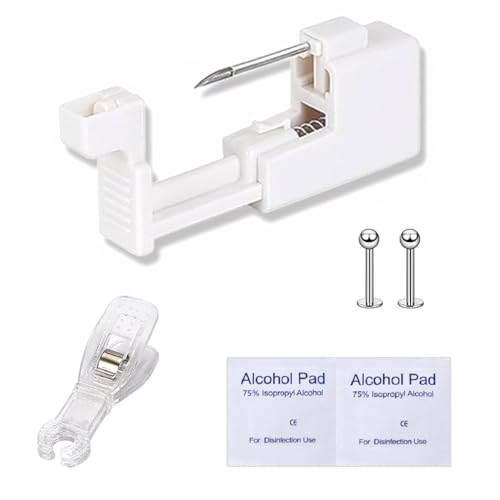
- ✓ Easy to use
- ✓ Medical-grade materials
- ✓ Complete starter kit
- ✕ Requires firm pressure
- ✕ Not reusable
| Material of Piercing Studs | Medical-grade stainless steel |
| Number of Piercing Studs Included | 2 pieces |
| Piercing Gun Type | Fully automatic, disposable |
| Package Contents | 1 lip piercing gun, 1 clip, 2 lip studs, 2 cleaning pads |
| Intended Use | Self-administered lip piercing at home |
| Safety Note | Single-use, do not test or reuse |
Many people assume that piercing your own lip with a gun is a quick fix and totally painless. Honestly, I thought it would feel more like a minor pinch and be over in seconds.
But after trying the TC-SMAR Lip Piercing Gun Kit, I realized that pushing hard enough to get the gun to activate really makes a difference.
The gun itself feels surprisingly sturdy in your hand. It’s compact, with a clear plastic trigger that’s easy to press.
When you push down quickly and firmly, the piercing happens almost instantly, which minimizes discomfort. I was nervous about the pain, but I can honestly say it’s over so fast that you barely feel it.
Just don’t be tentative—if you don’t push hard enough, the piercing will be only halfway through, which can be pretty irritating.
The kit includes everything you need: a fully automatic gun, a clip, two lip studs, and cleaning pads. The studs are made of medical-grade material, so they feel safe and smooth.
I appreciated that the studs come pre-packaged, reducing any worry about hygiene. If you follow the instructions and push firmly, the process is quick and clean.
One thing to keep in mind is safety—this is a disposable, self-destruct kit. I’d recommend not trying to test it or reuse it.
Also, having a friend or family member help can make the process smoother and less nerve-wracking. Overall, it’s a straightforward starter kit that’s perfect if you want to try a lip piercing at home without a lot of fuss.
AM RONG MAGIC Lip Piercing Gun Kit

- ✓ Fully automatic for quick piercing
- ✓ Hygienic and sterile packaging
- ✓ Suitable for beginners and pros
- ✕ Single-use only
- ✕ Needs replacement jewelry
| Piercing Gun Type | Fully automatic, handheld device |
| Application Areas | Lips, tongue, eyebrows, nipples, nose, septum, ears, surface tragus, navel, belly cast |
| Number of Uses | Single-use disposable kit |
| Included Accessories | 2 stainless steel rings, 1 clip-assisted piercing, 2 alcohol pads |
| Hygiene Standards | Packaged in aseptic, individual packaging to prevent cross-infection |
| Recommended Post-Piercing Care | Replace earrings after 3-4 weeks, clean skin and earrings before piercing |
Ever tried piercing your own lip and felt like you needed an extra set of hands, especially when you’re trying to keep everything sterile? I’ve been there, fumbling with tiny jewelry and worrying about cross-contamination.
When I got my hands on the AM RONG MAGIC Lip Piercing Gun Kit, everything changed.
This kit is surprisingly straightforward. The fully automatic gun feels solid in your hand, with a smooth trigger and a secure grip.
It’s designed for quick, safe piercing—no complicated setups. The individual aseptic packaging really puts your mind at ease, knowing each component is clean and ready to go.
What I liked most is how easy it is to use. The instructions are clear, and the kit includes everything you need—stainless steel rings, a clip for assistance, and alcohol pads.
I appreciated that it’s suitable for both beginners and pros, so I’d feel comfortable using it at home or in a professional setting.
Plus, it’s versatile. The kit isn’t just for lips; it’s compatible with multiple body parts, which makes it a good investment if you’re considering other piercings down the line.
Just remember to clean your skin thoroughly before starting, and replace the jewelry after a few weeks for best results.
Of course, it’s a single-use kit, so you’ll need to buy replacements for multiple piercings. And, while the gun is fast, you do need to be cautious and precise—this isn’t the time for rushing.
But overall, it’s a safe, convenient, and effective option for anyone looking to DIY a lip piercing.
What Types of Lip Piercings Are Best for Starters?
For beginners interested in lip piercings, the following types are considered the best starter options:
- Labret Piercing: This is a piercing located just below the bottom lip in the center. It’s a popular choice for starters because it can accommodate a variety of jewelry styles, from studs to rings, and typically heals well, making it a relatively low-maintenance option.
- Side Labret Piercing: Similar to the standard labret, but positioned off to one side of the lower lip. This piercing offers a unique aesthetic and can easily be personalized with different jewelry, allowing for a more creative expression while still being beginner-friendly.
- Medusa Piercing: Located in the center of the upper lip, just above the cupid’s bow, the medusa piercing adds a striking look to the face. It tends to heal quickly, and with proper care, it can complement other facial piercings beautifully.
- Angel Bites: This consists of two piercings on either side of the upper lip, resembling the look of canine teeth. This style is great for those who want a more dramatic flair while still being manageable for new piercers, as it allows the use of studs that are easy to care for.
- Vertical Labret Piercing: This piercing goes through the lip vertically, with one end inside the mouth and the other visible outside. It offers a unique twist on the traditional labret and can be a good starter option due to its potential for different jewelry styles and ease of maintenance.
What Is a Labret Piercing and Why Is It Popular for Beginners?
To ensure the best experience with a labret piercing, it’s essential to follow best practices, such as choosing a reputable piercer, ensuring that all equipment is sterile, and adhering to a strict aftercare regimen. This includes regularly cleaning the piercing with saline solution and avoiding touching the area unnecessarily. Education on potential risks and complications, such as infection or jewelry rejection, is crucial for anyone considering this popular starter lip piercing.
How Does a Monroe Piercing Compare for New Piercers?
| Aspect | Details |
|---|---|
| Pain Level | Moderate pain during the procedure; varies by individual sensitivity. |
| Healing Time | Typically takes 6-8 weeks to heal; individual healing times may vary. |
| Aftercare | Requires regular cleaning and avoidance of irritants; follow professional advice. |
| Jewelry Options | Variety of styles available, including studs and hoops; choose appropriate materials to avoid irritation. |
| Potential Complications | Possible complications include infection, allergic reactions, and migration. Consult a professional if issues arise. |
| Cost | Typical cost ranges from $30 to $100, depending on location and piercer experience. |
| Recommended Jewelry Materials | Surgical stainless steel, titanium, or bioplast are preferred materials for initial piercings to minimize irritation. |
What Are the Advantages of Choosing a Medusa Piercing?
The advantages of choosing a Medusa piercing as a starter lip piercing include its aesthetic appeal, versatility, and relatively straightforward healing process.
- Unique Aesthetic: The Medusa piercing, located in the center of the upper lip, adds a distinctive and stylish touch to one’s appearance. Its placement emphasizes the cupid’s bow, enhancing the natural shape of the lips and providing a focal point for facial features.
- Versatile Jewelry Options: This type of piercing allows for a wide range of jewelry styles, from simple studs to more elaborate designs with gems. This versatility enables individuals to express their personal style and change their look easily as they can switch jewelry based on occasions or moods.
- Moderate Healing Time: The healing process for a Medusa piercing typically takes about 6 to 12 weeks, which is relatively moderate compared to other facial piercings. As long as proper aftercare is followed, the healing process can be smooth, reducing the risk of complications or infections.
- Less Painful Than Other Piercings: Many individuals report that the Medusa piercing is less painful than other lip piercings, like the labret or snake bites. This can make it a more appealing option for those who are apprehensive about pain but still want to explore lip piercings.
- Easy to Clean: The location of the Medusa piercing makes it easier to maintain hygiene compared to other lip piercings that may trap food particles more easily. With proper cleaning routines, the risk of infection can be minimized, contributing to a healthier healing process.
What Should You Know About Choosing the Right Starter Lip Piercing?
When choosing the best starter lip piercing, several factors should be considered to ensure comfort, healing, and style.
- Type of Piercing: There are various types of lip piercings including labret, Monroe, and Medusa. Each type has a different placement and aesthetic; for instance, the labret is placed below the lower lip while the Monroe is positioned off-center above the upper lip, mimicking Marilyn Monroe’s beauty mark.
- Jewelry Material: The material of the jewelry is crucial for healing and comfort. Surgical steel, titanium, and bioplast are recommended for starters as they are less likely to cause allergic reactions and promote better healing than cheaper metals.
- Gauge Size: The gauge size of the piercing affects the healing process and comfort level. A common gauge for starter lip piercings is 16g, which is thick enough to prevent migration but still allows for a variety of jewelry options once healed.
- Aftercare: Proper aftercare is vital for a successful healing process. This includes cleaning the piercing with saline solution, avoiding touching it with dirty hands, and refraining from swimming in pools or oceans to prevent infections.
- Personal Style: Consider your personal style and how the piercing will fit into your overall look. Starter jewelry often comes in simple designs, but as healing progresses, you can explore more expressive styles, such as studs or rings, to match your personality.
What Jewelry Materials Are Safe for Starter Piercings?
The best materials for starter lip piercings are biocompatible and hypoallergenic to minimize irritation and promote healing.
- Titanium: Titanium is a lightweight and strong metal known for its hypoallergenic properties, making it an excellent choice for starter lip piercings. It is resistant to corrosion and has a low risk of causing allergic reactions, which helps ensure a smoother healing process.
- Medical-Grade Stainless Steel: Medical-grade stainless steel is another popular option for starter piercings due to its durability and resistance to tarnishing. This type of stainless steel is specifically formulated to be safe for body jewelry, containing a higher percentage of nickel, which can still cause reactions in some individuals, so it’s best for those who are not sensitive.
- Bioplast: Bioplast is a flexible and lightweight synthetic material that is often used in lip piercings. Its non-metallic nature makes it an ideal option for those with metal allergies, and it can also be comfortably worn during the healing period.
- Gold (14k or higher): Gold jewelry that is 14 karats or higher is generally safe for starter lip piercings, as it contains a lower percentage of alloys that can cause irritation. However, it should be noted that some individuals may still react to the alloys present, so it’s best to choose solid gold without additional metals.
- Glass: Glass jewelry can be a safe and aesthetically pleasing option for lip piercings, especially when made from borosilicate or soda lime glass. It is non-porous and easy to clean, reducing the risk of infection, although care must be taken to avoid breakage.
How Do Size and Style Affect Your Starter Lip Piercing Choice?
Size and style significantly influence the choice of the best starter lip piercing, as they can affect comfort, healing, and personal expression.
- Gauge Size: The gauge of the jewelry refers to its thickness, and for starter lip piercings, a common size is 16 to 18 gauge. Thicker gauges can provide better durability, but they may also increase discomfort during the healing process.
- Length of the Jewelry: The length of the piercing jewelry is crucial for comfort and to accommodate swelling during healing. A length that is too short can cause irritation, while one that is too long may lead to increased movement and discomfort.
- Material: Choosing the right material for starter lip piercings is essential to avoid allergic reactions or irritation. Titanium and surgical stainless steel are popular choices because they are hypoallergenic and promote better healing.
- Style of the Jewelry: The style, such as labret studs, hoops, or rings, impacts both the aesthetic and healing process. Labret studs are often recommended for beginners due to their low profile and reduced risk of snagging on clothing or other objects.
- Design and Aesthetic: The design of the jewelry can reflect personal style, with options ranging from minimalist to decorative. Choosing a piece that resonates with personal taste can enhance confidence during the healing period.
What Are Common Risks and Aftercare Tips for Lip Piercings?
Common risks and aftercare tips for lip piercings are crucial for ensuring a safe and successful healing process.
- Infection: One of the most significant risks associated with lip piercings is infection, which can occur if the piercing is not cared for properly. Signs of infection include increased redness, swelling, pain, and discharge, and it is essential to seek medical advice if these symptoms arise.
- Allergic Reactions: Some individuals may experience allergic reactions to the metal in the jewelry used for the piercing. Symptoms can include itching, rash, or irritation around the piercing site, and switching to hypoallergenic materials like titanium or surgical steel may be necessary.
- Migration or Rejection: In some cases, the body may push the jewelry out or reject the piercing altogether, leading to migration or complete removal of the piercing. This can be influenced by various factors such as the type of jewelry, placement, and individual body chemistry.
- Scarring: Improper aftercare or accidental trauma to the piercing can lead to scarring, which may be permanent. It is crucial to handle the area with care and avoid any unnecessary irritation during the healing process.
- Aftercare Routine: Maintaining a proper aftercare routine is vital for healing. This typically includes cleaning the piercing with a saline solution, avoiding touching it with dirty hands, and refraining from changing the jewelry too soon.
- Diet Considerations: It’s advisable to avoid certain foods that could irritate the piercing, especially during the initial healing phase. Spicy, acidic, or crunchy foods may exacerbate swelling or discomfort, so opting for softer foods can help ease the process.
- Oral Hygiene: Good oral hygiene is essential to prevent infections, especially because lip piercings are close to the mouth. Regular brushing and rinsing with an alcohol-free mouthwash can help keep the area clean and reduce the risk of bacteria entering the piercing.
- Follow-Up Care: Regular check-ins with a professional piercer can help monitor the healing process. They can provide advice and make adjustments if necessary, ensuring the piercing heals correctly without complications.
What Complications Should You Be Aware of Before Getting a Lip Piercing?
Before getting a lip piercing, it’s essential to be aware of potential complications that can arise.
- Infection: Lip piercings can easily become infected if not properly cared for. Bacteria can enter through the puncture site, leading to symptoms like redness, swelling, and pus, which may require antibiotics for treatment.
- Allergic Reactions: Some individuals may experience allergic reactions to certain metals used in jewelry, particularly nickel. This can cause irritation, rashes, or swelling around the piercing, necessitating the use of hypoallergenic materials.
- Scarring: Scarring is a possibility with any piercing, including lip piercings. If the piercing becomes irritated or is improperly cared for, keloids or other types of scars may form, which can be permanent.
- Migration or Rejection: Sometimes, the body may not accept the jewelry, leading to migration (the jewelry moving from its original position) or rejection (the body pushing the jewelry out). This can result in an unsightly appearance or prolonged discomfort.
- Damage to Teeth and Gums: Jewelry can sometimes rub against the teeth or gums, leading to enamel wear or gum recession. This poses dental risks that may require dental intervention to address any damage caused.
- Difficulty Eating and Speaking: After getting a lip piercing, individuals may initially experience discomfort that can affect their ability to eat or speak properly. This is due to swelling or the adjustment to having jewelry in the mouth, which typically resolves over time.
How Can You Ensure Proper Aftercare for Your New Piercing?
To ensure proper aftercare for your new piercing, it’s essential to follow specific guidelines that help prevent infection and promote healing.
- Keep It Clean: Regularly clean the piercing site with a saline solution or an antiseptic recommended by your piercer. This helps remove bacteria and reduces the risk of infection.
- Avoid Touching: Minimize touching the piercing with dirty hands, and avoid playing with the jewelry. This can introduce bacteria and irritate the healing tissue.
- Follow Aftercare Instructions: Adhere to the specific aftercare instructions provided by your piercer, as these are tailored to your piercing type. Different piercings may require distinct care methods to ensure optimal healing.
- Watch for Signs of Infection: Be vigilant for any signs of infection, such as excessive redness, swelling, or discharge. Early detection can lead to prompt treatment and prevent complications.
- Avoid Makeup and Skincare Products: Keep cosmetics and skincare products away from the piercing area during the healing process. These products can irritate the piercing or introduce harmful substances.
- Choose the Right Jewelry: Use high-quality, hypoallergenic jewelry made from materials like titanium or surgical steel. This minimizes the risk of allergic reactions and supports the healing process.
- Be Mindful of Activities: Limit activities that may irritate the piercing, such as swimming in pools or hot tubs, and avoid excessive movement or trauma to the area. Such precautions can prevent complications during healing.
What Questions Should You Ask Your Piercer Before Getting Started?
Before getting a lip piercing, it’s important to ask your piercer several key questions to ensure a safe and satisfactory experience.
- What type of jewelry do you recommend for a starter lip piercing? The choice of jewelry is crucial, as it should be made from high-quality materials like titanium or surgical steel to minimize the risk of allergic reactions and infections. Your piercer can guide you on the best styles, sizes, and materials that promote healing.
- What is your sterilization process for equipment? Understanding the sterilization methods used by your piercer is essential to ensure that all tools and materials are properly sanitized, reducing the risk of infection. A reputable piercer will use an autoclave and disposable gloves to maintain hygiene standards.
- How long does the healing process typically take? Healing times can vary based on individual circumstances and the type of lip piercing, but your piercer can provide an estimate and explain the factors that might influence healing duration. Knowing this helps you prepare for aftercare and potential lifestyle adjustments.
- What aftercare instructions do you recommend? Proper aftercare is vital for preventing complications and ensuring a smooth healing process. Your piercer should provide detailed instructions on cleaning routines, products to avoid, and signs of infection to watch out for.
- What are the potential risks and complications associated with this piercing? Every piercing comes with certain risks, including infection, scarring, and migration. Discussing these with your piercer can help you make an informed decision and understand what to expect during the healing process.
- Can you show me some examples of healed piercings? Viewing healed piercings can help you understand the final look of the piercing and the types of jewelry that work well over time. This also gives you an insight into the piercer’s skills and the quality of their work.
- What is your experience and training in lip piercings? Knowing your piercer’s background and experience level is important for your confidence in their ability to perform the procedure safely and effectively. A qualified piercer will be happy to share their credentials and experience with lip piercings specifically.
How Do You Identify a Professional Piercer to Trust?
Identifying a professional piercer you can trust is crucial for a safe and successful piercing experience.
- Experience and Credentials: Look for a piercer with several years of experience and proper certifications from recognized organizations. A professional should have completed training in body piercing and adhere to local health regulations.
- Portfolio of Work: Review the piercer’s portfolio to see examples of their previous work, particularly focusing on lip piercings. A well-maintained portfolio will showcase their skill level, the quality of their piercings, and the healing results of their clients.
- Hygiene Practices: Ensure the piercing studio follows strict hygiene protocols, such as using sterilized equipment and disposable supplies. A clean environment and proper aftercare instructions are essential to prevent infections and complications.
- Customer Reviews and Recommendations: Check online reviews and ask for recommendations from friends or community members who have had piercings done. Positive feedback and high ratings can indicate a reliable and skilled piercer.
- Consultation and Communication: A good piercer should be willing to have a thorough consultation before the procedure. They should answer your questions, explain the process, and discuss potential risks and aftercare, ensuring you feel comfortable and informed.
What Is the Typical Healing Time for Different Lip Piercings?
Benefits of understanding healing times include better preparedness for potential discomfort, the establishment of realistic expectations about the healing process, and improved decision-making regarding jewelry changes or touch-ups. For instance, many recommend waiting until the piercing is fully healed before changing jewelry to prevent irritation or infection.
Best practices for ensuring a smooth healing process involve following a strict aftercare regimen, which includes cleaning the piercing with saline solutions, avoiding oral contact during the healing period, and regularly monitoring for signs of infection such as unusual swelling, redness, or discharge. Consulting with a professional piercer and adhering to their advice is also critical in mitigating risks associated with lip piercings.
Related Post: