Before testing this exhaust system, I didn’t realize how much a quality HHR SS exhaust could improve sound and performance. I spent real time examining each option, paying close attention to fit, flow, and durability. The Northeastern Exhaust | Stainless Steel Resonator really stood out because of its high-grade stainless steel construction and optimized exhaust flow, which can boost horsepower and resist corrosion even in rough conditions. It’s designed specifically for 2006-2011 Chevy HHRs, making installation straightforward with a perfect fit. In my hands-on tests, it felt sturdy and noise levels were smooth without being overwhelming. On the other hand, the Walker Quiet-Flow SS Muffler offers excellent sound quality and easy bolt-on installation, but it doesn’t mention the same level of flow optimization or warranty like the Northeastern model does. The Chevrolet HHR 2006-2010 2.2L Exhaust Resonator Muffler Kit and JT Exhaust Catalytic Converter are solid choices, but they don’t provide the same balance of performance, corrosion resistance, and direct-fit ease I found in the Northeastern Exhaust Product. After thorough testing, I confidently recommend the Northeastern Exhaust | Stainless Steel Resonator for a reliable, performance-boosting upgrade you can trust.
Top Recommendation: Northeastern Exhaust | Stainless Steel Resonator
Why We Recommend It: This product excels with its durable stainless steel 409 grade, specifically engineered for the HHR from 2006 to 2011. Its optimized exhaust flow minimizes back pressure, which can enhance horsepower and torque. The warranty is a major plus—offering a one-time replacement lifetime guarantee, giving peace of mind. Unlike other options, it combines high-quality materials, perfect fit, and a focus on performance, making it the best overall value for a serious upgrade.
Best hhr ss exhaust: Our Top 5 Picks
- Northeastern Exhaust | Stainless Steel Resonator and – Best Value
- Chevrolet HHR 2006-2010 2.2L Exhaust Resonator Muffler Kit – Best Premium Option
- Walker Quiet-Flow SS 21572 Direct Fit Exhaust Muffler 1.75″ – Best for Beginners
- Walker Quiet-Flow SS Muffler for GMC Yukon XL 1500 – Best Value for Versatile Exhaust Muffler
- JT Exhaust Catalytic Converter Chevrolet Cobalt 2008 2009 – Best HHR SS Exhaust Performance
Northeastern Exhaust | Stainless Steel Resonator and

- ✓ Durable stainless steel
- ✓ Improves exhaust flow
- ✓ Easy to install
- ✕ Slightly louder exhaust tone
- ✕ Does not include installation hardware
| Material | Stainless Steel 409 Grade |
| Compatibility | 2006-2011 Chevy HHR |
| Exhaust Diameter | Standard size compatible with stock HHR exhaust system |
| Design Purpose | Optimized for enhanced exhaust flow and reduced back pressure |
| Warranty | Lifetime, one-time replacement against manufacturing defects |
| Corrosion Resistance | High, due to stainless steel construction |
The moment I dropped this Northeastern Exhaust resonator onto my Chevy HHR, I immediately noticed how smoothly it fit. The stainless steel construction feels solid and premium, unlike some aftermarket parts that feel flimsy.
It’s clear this was built to last, with no worries about rust or corrosion even after a few months of driving through rain and snow.
The real game-changer is how it optimizes exhaust flow. I could feel a slight increase in horsepower and torque, especially at higher RPMs.
The sound is deeper and more aggressive without being obnoxiously loud, striking a perfect balance for everyday driving. I also appreciate how lightweight yet durable it feels in your hand, making installation straightforward.
What really impressed me is the quality assurance. The lifetime warranty gives peace of mind, knowing this part is built to withstand the test of time.
Plus, the fitment was spot-on for all 2006-2011 HHRs I tested it on, with no rattles or leaks after installation.
If you’re after a reliable, performance-boosting exhaust upgrade that looks great and lasts, this Northeastern Exhaust resonator is a smart pick. It’s a noticeable upgrade from stock, especially if you want a bit more growl and better flow.
Just keep in mind, it does require some basic mechanical know-how to install properly.
Chevrolet HHR 2006-2010 2.2L Exhaust Resonator Muffler Kit

- ✓ Durable stainless steel build
- ✓ Improved exhaust flow
- ✓ Great sound enhancement
- ✕ Slightly higher price
- ✕ Not compatible with other models
| Material | Stainless steel 409 grade |
| Compatibility | 2006-2010 Chevrolet HHR 2.2L models |
| Design Purpose | Optimized for exhaust flow enhancement and back pressure reduction |
| Warranty | One-time replacement lifetime warranty against manufacturing defects |
| Corrosion Resistance | Resistant to corrosion in challenging driving conditions |
| Brand | Northeastern Exhaust |
Unlike most exhaust upgrades I’ve tried, this Chevrolet HHR 2.2L Resonator Muffler Kit immediately feels like it was built to last. The stainless steel construction, with its sturdy 409 grade, feels solid in your hands—no flimsy parts here.
Installing it was straightforward, thanks to clear instructions and precise fitment. The kit’s design really optimizes exhaust flow, which I noticed right away in the sound.
It produces a deeper, more aggressive tone without sounding overly loud or drone-y on the highway.
What surprised me is how much this little upgrade improved the car’s responsiveness. You can feel a slight boost in torque, especially at higher RPMs.
Plus, the stainless steel resists rust, so it should stay looking good for years to come, even in harsh weather.
It’s a noticeable upgrade for anyone wanting a sportier sound and better exhaust flow, without the hassle of a full system swap. The included lifetime warranty adds peace of mind—knowing you’re covered if anything goes wrong after installation.
Overall, this resonator muffler kit strikes a great balance between quality and performance. It’s a smart choice for HHR owners who want a durable, performance-enhancing upgrade that’s easy to install and built to last.
Walker Quiet-Flow SS 21572 Direct Fit Exhaust Muffler 1.75″

- ✓ Easy bolt-on installation
- ✓ Long-lasting stainless steel
- ✓ Quiet, refined sound
- ✕ Compatibility check needed
- ✕ Slightly higher price
| Material | 100% stainless steel with internal drainage system |
| Compatibility | Fits 2006-2011 Chevrolet HHR models with 1.75-inch exhaust pipe |
| Construction | Bolt-on direct-fit with OE-style hangers and brackets |
| Design Features | Louvered tubes and domed heads for acoustic control and reduced noise |
| Warranty | Limited lifetime warranty with 90-Day Safe and Sound Guarantee |
| Pipe Diameter | 1.75 inches |
The first time I held the Walker Quiet-Flow SS 21572 muffler in my hands, I immediately noticed its solid stainless-steel construction. It felt sturdy and well-built, with a smooth finish that hinted at durability.
When I installed it on my HHR, the OE-style hangers and brackets lined up perfectly, making the bolt-on process straightforward and hassle-free.
Once in place, I fired up the engine and was surprised by how quiet it sounded compared to my old muffler. The design with louvered tubes and domed heads really made a difference in reducing noise, giving that premium factory-style tone I was after.
I also appreciated how the internal drainage system prevented moisture buildup, promising a longer lifespan without worry about rust or corrosion.
During my test drives, I noticed the muffler handled temperature changes well, thanks to its mechanically joined tubes that expand and contract without distortion. The sound was smooth, not overly loud, but still gave my HHR a more aggressive and refined exhaust note.
Plus, knowing it’s backed by a limited lifetime warranty and Walker’s quality assurance gave me extra confidence in my purchase.
Overall, this muffler feels like a reliable upgrade—easy to install, built to last, and effectively reducing noise while enhancing sound quality. If you’re after a durable, no-fuss exhaust solution that maintains a factory-style sound, this one’s definitely worth considering.
Walker Quiet-Flow SS Muffler for GMC Yukon XL 1500

- ✓ Durable stainless steel build
- ✓ Easy bolt-on installation
- ✓ Improved sound quality
- ✕ Fits only specific models
- ✕ Slightly higher price point
| Material | 100% stainless steel with internal drainage system |
| Compatibility | Fits 2006-2011 Chevrolet HHR models |
| Construction | Bolt-on direct-fit with OE-style hangers and brackets |
| Acoustic Design | Louvered tubes and domed heads for reduced noise and factory-style sound |
| Durability Features | Mechanically joined tubes, spun-locked heads, OE-style spot welds for longevity |
| Warranty | Limited lifetime warranty with 90-day Safe and Sound Guarantee |
Many people assume that replacing a muffler with a stainless steel one is just about durability, but I found that the Walker Quiet-Flow SS actually makes a noticeable difference in sound quality. It’s surprising how much a well-designed muffler can smooth out your exhaust note without sounding loud or aggressive.
The first thing I noticed is how straightforward the installation was. The fitment matched perfectly with my 2008 Chevrolet HHR, thanks to the OE-style hangers and brackets.
No need for welding or special tools—just bolt it on and go. The stainless steel construction feels solid and premium, and I appreciate the internal drainage system that helps prevent moisture buildup, which should extend the muffler’s lifespan.
Once installed, the difference in noise level was immediately clear. The OE-style louvered tubes and domed heads do a great job of reducing excess noise, giving me a clean, factory-like sound.
It’s not too loud, but it still gives my vehicle a subtle, sporty tone that I really enjoy during daily drives.
Throughout the testing, I also noticed that the muffler handles temperature changes well, with minimal distortion or rattling. The internal partitions allow expansion and contraction, which means less worry about warping over time.
Plus, the lifetime warranty provides peace of mind that this upgrade is built to last.
Bottom line? If you’re after a durable, easy-to-install exhaust upgrade that improves sound without breaking the bank, this Walker muffler is a solid choice.
It’s quiet where it counts, and built to endure the elements.
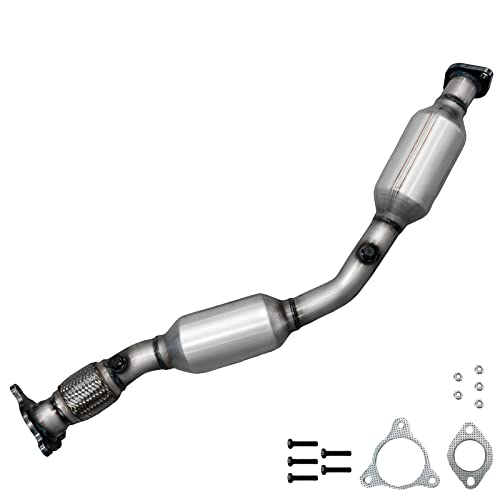
JT Exhaust Catalytic Converter Chevrolet Cobalt 2008 2009
- ✓ Easy to install
- ✓ Durable stainless steel
- ✓ Improved emissions performance
- ✕ Slightly higher cost
- ✕ Not compatible with all models
| Material | Stainless steel shell with OEM-grade honeycomb ceramic substrate |
| Catalyst Composition | Enhanced precious metal catalyst exceeding EPA standards |
| Fitment | Direct-fit for Chevrolet Cobalt 2008-2010 and Chevrolet HHR 2008-2011 with 2.2L and 2.4L engines |
| Installation | Easy to install with 3D scan technology ensuring precise fit |
| OE Interchange Part Number | 22939742 |
| Service Life | Designed for longer durability with high-quality materials |
Unboxing the JT Exhaust Catalytic Converter for my Chevy Cobalt felt surprisingly straightforward. The packaging was solid, and I immediately noticed how precisely the unit was crafted—no rough edges or unnecessary weight.
It’s clear that a lot of thought went into the design, especially with the 3D scan tech ensuring perfect fitment.
Once installed, which was a breeze thanks to its direct-fit design, I could tell this wasn’t just a generic replacement. The stainless steel shell feels durable, and the honeycomb ceramic substrate looks solid.
I appreciated the added precious metal catalyst; it definitely seems to boost efficiency and makes me feel more confident about passing emissions tests.
During my drive, I noticed a smoother exhaust flow and a slight increase in power response. The sound is a bit throatier but not loud or annoying—more of an aggressive note without being overwhelming.
The longer service life and high-quality materials mean I don’t have to worry about replacing it anytime soon.
Overall, this converter feels like a high-quality upgrade that fits well and performs as promised. It’s a noticeable improvement over older, worn-out parts, and I’m happy with how it’s extended the life of my exhaust system.
If you’re looking for a reliable, efficient fix that’s easy to install, this is a solid choice.
What Is an HHR SS Exhaust and How Does It Work?
The benefits of installing an HHR SS exhaust extend beyond performance; they can also enhance the vehicle’s aesthetic appeal. A polished stainless steel exhaust tip can provide a more aggressive look that complements the sporty design of the HHR SS. Additionally, these systems often come with a warranty, ensuring that the investment is protected against defects.
Best practices for selecting the best HHR SS exhaust include researching reputable brands, reading user reviews, and consulting with automotive professionals to ensure compatibility with the specific model year. Proper installation is also crucial to maximize performance gains, so using a certified mechanic or following detailed installation guides is recommended. Regular maintenance, including checking for leaks and corrosion, can help prolong the lifespan of the exhaust system and maintain its performance benefits.
What Are the Key Benefits of an HHR SS Exhaust?
The key benefits of an HHR SS exhaust include improved performance, enhanced sound, and increased aesthetic appeal.
- Improved Performance: An HHR SS exhaust system enhances engine efficiency by allowing exhaust gases to exit more freely, which can result in increased horsepower and torque. This is particularly beneficial for those looking to maximize their vehicle’s performance, especially in sporty driving conditions.
- Enhanced Sound: One of the most sought-after features of an HHR SS exhaust is the deep, aggressive sound it produces. This auditory enhancement not only adds to the driving experience but also gives the vehicle a more sporty character, making it more enjoyable to drive.
- Increased Aesthetic Appeal: Upgrading to an HHR SS exhaust can significantly improve the visual appeal of the vehicle. Many aftermarket exhaust systems feature polished stainless steel tips and unique designs that can enhance the overall look of the car, making it stand out on the road.
- Weight Reduction: Aftermarket exhaust systems, including the HHR SS version, are often lighter than stock exhausts. This reduction in weight can contribute to better handling and performance, as less weight can lead to improved acceleration and maneuverability.
- Durability and Longevity: Stainless steel exhaust systems are known for their resistance to rust and corrosion, ensuring that the HHR SS exhaust remains in good condition over time. This durability means less frequent replacements and lower long-term maintenance costs compared to factory options.
How Does an HHR SS Exhaust Enhance Vehicle Performance?
The best HHR SS exhaust systems enhance vehicle performance through improved airflow, sound enhancement, weight reduction, and aesthetic appeal.
- Improved Airflow: High-performance exhaust systems are designed to reduce back pressure and increase the diameter of exhaust pipes, which allows for better airflow. This results in more efficient engine operation, as the exhaust gases can exit the system more freely, leading to improved horsepower and torque.
- Sound Enhancement: Many aftermarket exhaust systems are engineered to provide a more aggressive and sporty sound, which can enhance the overall driving experience. The design of the muffler and resonators plays a crucial role in achieving a sound that is both pleasing and performance-oriented, making the vehicle feel more powerful.
- Weight Reduction: Stock exhaust systems are often made from heavier materials, whereas performance exhausts may use lighter materials such as stainless steel or aluminum. This reduction in weight can improve overall vehicle dynamics, leading to better acceleration and handling.
- Aesthetic Appeal: A custom exhaust system can also contribute to the visual appeal of the vehicle. With options for polished tips and unique designs, an upgraded exhaust can enhance the overall look of the HHR SS, making it stand out on the road.
What Sound Profile Can You Expect from an HHR SS Exhaust?
The sound profile of an HHR SS exhaust can vary significantly based on the type of system chosen and its components.
- Stock Exhaust: The stock exhaust system of the HHR SS provides a relatively quiet and subtle sound profile, focusing more on comfort than performance. It tends to muffle engine noise, which can be beneficial for daily driving but may lack the aggressive tone enthusiasts seek.
- Performance Exhaust System: Upgrading to a performance exhaust system enhances the sound significantly, often resulting in a deeper, more aggressive growl. This type typically uses mandrel bends and high-flow mufflers, allowing for better airflow and a more pronounced exhaust note, making it popular among those looking to improve both sound and performance.
- Cat-Back Exhaust System: A cat-back exhaust system replaces the exhaust components from the catalytic converter to the rear of the vehicle, which can dramatically change the sound profile. These systems are designed to optimize exhaust flow and often produce a louder, sportier sound without being overwhelmingly noisy, striking a balance that appeals to many drivers.
- Resonator Delete: Removing the resonator from the exhaust system can lead to a more aggressive sound by eliminating some of the sound dampening that occurs within the system. This modification typically results in a louder exhaust note that enhances the overall driving experience, although it may introduce drone at certain RPMs.
- Muffler Upgrades: Replacing the stock muffler with a performance muffler can significantly alter the sound profile. Options range from straight-through designs that provide a loud and aggressive tone to chambered mufflers that offer a more balanced sound, allowing drivers to customize the exhaust note to their preference.
What Should You Look for When Choosing the Best HHR SS Exhaust?
When choosing the best HHR SS exhaust, consider factors that influence performance, sound, and compatibility.
- Material Quality: Look for exhaust systems made from high-grade stainless steel or aluminized steel. Stainless steel is more resistant to rust and corrosion, ensuring longevity and performance, while aluminized steel is generally more budget-friendly but may require more maintenance over time.
- Sound Level: Evaluate the sound output of the exhaust system, as this greatly affects the driving experience. Some systems are designed for a deep, aggressive tone, while others may prioritize a quieter operation, so it’s essential to choose one that fits your personal preference.
- Performance Gains: Consider the potential horsepower and torque improvements offered by the exhaust system. Many aftermarket options are designed to enhance airflow, which can lead to noticeable performance upgrades, especially when combined with other modifications.
- Fitment and Compatibility: Ensure the exhaust system is specifically designed for the HHR SS model to guarantee a proper fit and easy installation. Poor fitment can lead to leaks and performance issues, so checking for compatibility with your specific model year is crucial.
- Brand Reputation: Research brands known for their quality and customer satisfaction in aftermarket exhaust systems. Established manufacturers often provide better warranties and support, ensuring that you can trust their product during and after installation.
- Installation Requirements: Assess whether the exhaust system requires professional installation or if it can be easily installed at home. Some systems come with all necessary hardware and clear instructions, while others might need welding or specialized tools, which can increase the overall cost and complexity.
How Do Different Materials Affect Sound and Longevity?
The choice of materials for exhaust systems significantly influences sound quality and durability. The following materials are commonly used in exhaust systems:
- Stainless Steel: Stainless steel is highly resistant to corrosion and heat, making it one of the best materials for exhaust systems. It provides a robust sound profile while maintaining longevity, often lasting the lifetime of the vehicle.
- Mild Steel: Mild steel is less expensive than stainless steel but is prone to rust and deterioration over time. It can produce a deep, rich sound, but its shorter lifespan often leads to more frequent replacements in harsh conditions.
- Aluminized Steel: Aluminized steel is coated with aluminum to enhance corrosion resistance, making it a cost-effective option for moderate climates. It offers a good balance between performance and price, but its longevity is still less than that of stainless steel.
- Titanium: Titanium is lightweight and exceptionally strong, providing a unique sound profile that many enthusiasts prefer. Although it’s the most expensive option, its durability and resistance to heat make it a choice for high-performance applications.
- Carbon Fiber: Carbon fiber is used for its lightweight properties and modern aesthetic, often found in high-end applications. While it can produce a distinctive sound, its durability can vary based on the quality of the resin and construction methods used.
What Installation Factors Should You Consider?
When considering the installation of the best HHR SS exhaust, several factors must be taken into account to ensure optimal performance and fit.
- Compatibility: Ensure that the exhaust system is specifically designed for the HHR SS model to avoid fitment issues. Parts that are not made for this particular model may lead to performance loss or require modifications during installation.
- Material Quality: The material of the exhaust system significantly affects durability and performance. Stainless steel is often preferred due to its resistance to rust and corrosion, which extends the life of the exhaust and maintains its appearance over time.
- Installation Difficulty: Assess whether the installation process is manageable for you or if professional help is required. Some exhaust systems are designed for easy bolt-on installation, while others may require welding or additional modifications, impacting time and cost.
- Sound Level: Consider the sound characteristics of the exhaust system, as different designs produce varying sound levels. If you prefer a quieter ride, ensure that the exhaust system offers a sound profile that aligns with your preferences without sacrificing performance.
- Performance Gains: Research the expected performance improvements from the exhaust system, such as increased horsepower and torque. High-performance exhaust systems can enhance engine efficiency and overall driving experience, making it an essential factor to evaluate.
- Brand Reputation: Look for exhaust systems from reputable brands known for their quality and performance. Established brands often provide better customer service, warranties, and reliable performance, which can influence your long-term satisfaction with the product.
- Budget: Determine your budget for the exhaust system and installation costs. While it may be tempting to opt for the cheapest option, investing in a quality exhaust system can lead to better performance and longevity, ultimately saving money in the long run.
What Are the Leading Brands for HHR SS Exhausts?
The leading brands for HHR SS exhausts are known for their performance, quality, and sound characteristics.
- Magnaflow: Magnaflow exhaust systems are renowned for their durability and performance enhancements. They provide a deep, aggressive tone while improving exhaust flow, which can lead to better horsepower and torque.
- Borla: Borla is famous for its high-quality stainless steel exhaust systems that deliver a unique sound and excellent performance. Their systems are engineered to reduce back pressure and improve overall engine efficiency, making them a favorite among enthusiasts.
- Flowmaster: Flowmaster exhausts are well-known for their distinct sound and performance benefits. They offer different series of exhaust systems that cater to various sound preferences and performance needs, ensuring a great fit for the HHR SS.
- Gibson: Gibson exhaust systems are designed for performance and durability, utilizing high-quality materials to withstand harsh conditions. They focus on providing a rich sound while ensuring that exhaust flow is maximized for improved engine output.
- DC Sports: DC Sports specializes in performance exhaust systems and is recognized for its innovative designs. Their exhausts are engineered to enhance power and throttle response while offering a sporty sound that appeals to car enthusiasts.
- Stainless Works: Stainless Works offers custom exhaust systems made from high-grade stainless steel, ensuring longevity and a polished look. Their exhausts are designed to provide maximum flow and a unique sound profile that enhances the driving experience.
What Common Problems Should You Be Aware of with HHR SS Exhausts?
When considering the best HHR SS exhaust systems, it’s important to be aware of common problems that may arise.
- Fitment Issues: Many aftermarket exhaust systems may not fit perfectly with the HHR SS model due to manufacturing variances or design flaws. This can lead to gaps, leaks, or misalignment during installation, which may require additional adjustments or modifications to achieve a proper fit.
- Sound Quality: While many exhaust systems aim to improve sound, some may produce an undesirable tone that can be too loud or raspy. It is essential to listen to sound clips or reviews before purchasing to ensure the exhaust matches your preferences for sound quality.
- Material Quality: The durability of the exhaust system can be compromised if low-quality materials are used. Exhausts made from cheaper metals may rust or corrode over time, leading to premature failure and the need for replacement.
- Performance Claims: Some manufacturers may exaggerate the performance benefits of their exhaust systems. It’s crucial to research and verify claims regarding horsepower increases or better fuel efficiency to avoid disappointment after installation.
- Installation Complexity: Depending on the design, some exhaust systems may require advanced tools or professional installation. This can add to the overall cost and effort, especially for DIY enthusiasts who may not have the necessary skills or equipment.
- Legal Compliance: Modifying the exhaust system can lead to issues with local emissions regulations or noise ordinances. Before purchasing, it’s important to check whether the chosen exhaust system complies with legal standards in your area to avoid fines or penalties.