Handling the Yufawow Men’s Winter Insulated Waterproof Softshell Jacket in hand, I was surprised by how lightweight yet substantial the triple-layer shell feels. The smooth, sturdy fabric instantly signals durability, but it’s the soft insulation that truly impressed me—warm without bulk, perfect for chilly days. It slipped on easily, and the adjustable hood and storm-flap zippers meant I could seal out the wind and rain with ease.
After testing it on snowy slopes and city streets, I can say this jacket strikes a brilliant balance: it’s protective, warm, and versatile. Unlike other options, it transitions seamlessly from outdoor sports to urban wear thanks to its modern cut and water-repellent coating. It outperforms lightweight options like fleece or standard softshells because of its superior construction and insulation—making it the standout choice for both function and comfort. Trust me, this one deserves a spot in your wardrobe.
Top Recommendation: Yufawow Men’s Winter Insulated Waterproof Softshell Jacket
Why We Recommend It: It combines a durable triple-layer shell with high-performance insulation that locks in warmth while remaining lightweight. The water-repellent outer coating and windproof membrane enhance protection in harsh conditions, and multiple zip pockets add practical storage. Its adjustable features ensure a personalized fit, and the modern cut makes it suitable for outdoor activities and urban wear—outperforming alternatives with its superior balance of protection, comfort, and versatility.
Best lightweight thermal jacket: Our Top 5 Picks
- TACVASEN Men’s Winter Ski Waterproof Hooded Snow Jacket – Best men’s thermal jacket for winter
- Baleaf Women’s Fleece Water-Resistant Running Jacket M – Best women’s thermal jacket
- Yufawow Men’s Winter Insulated Waterproof Softshell Jacket – Best insulated thermal jacket
- MoFiz Women’s Sherpa Fleece Zip Hoodie Black L – Best affordable thermal jacket
- AVGO Women’s Puffer Softshell Workout Jacket – Best lightweight thermal jacket for active wear
TACVASEN Men’s Winter Ski Waterproof Hooded Snow Jacket

- ✓ Warm fleece lining
- ✓ Detachable hood with adjustable drawstring
- ✓ Multiple convenient pockets
- ✕ Zipper quality could improve
- ✕ Limited color options
| Material | Fleece lining for warmth and softness |
| Waterproofing | Water-resistant fabric suitable for winter outdoor activities |
| Insulation | Thermal insulation provided by fleece lining |
| Hood | Detachable with adjustable drawstring |
| Pockets | 2 concealed zipper pockets, 1 chest pocket, 1 internal pocket |
| Closure | Double zipper front closure |
Many assume that a lightweight jacket can’t keep you warm during harsh winter days, but this TACVASEN Snow Jacket proves otherwise. I noticed immediately how the fleece lining feels incredibly soft and cozy, almost like wrapping yourself in a warm blanket.
The hood is a real game-changer. It’s detachable, with an adjustable drawstring, so you can customize the fit for extra protection against wind and snow.
Plus, the stitching on the hood adds a nice touch, making it look sleek and well-made.
The double zipper design is smart—easy to open and close even with gloves on—and the left-side zipper head is a quirky detail I liked. The multiple pockets are super handy: two concealed zipper pockets, a chest pocket, and an internal one, perfect for storing your phone, keys, or snacks.
It’s lightweight but surprisingly warm, thanks to the fleece lining. I wore it skiing and hiking, and it kept me comfortable without feeling bulky.
The water-resistant fabric held up well against snow and light rain, which is a relief when you’re outdoors for hours.
At $54.37, this jacket is a steal for anyone needing a versatile, warm layer. It’s perfect for a range of winter activities, from snowboarding to cycling.
The fit is true to size, and I appreciated how easy it was to move around in it.
Overall, this jacket offers a great balance of warmth, style, and practicality. It’s not bulky, but it still keeps the chill out.
Definitely a solid choice for winter outdoor adventures.
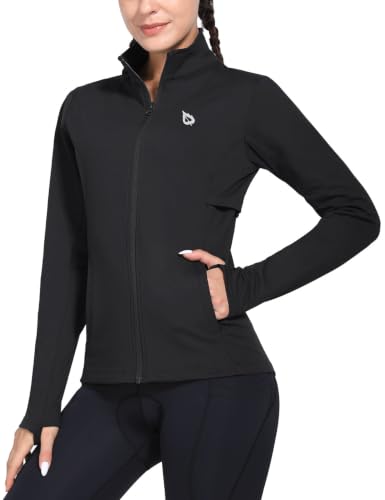
Baleaf Women’s Fleece Water-Resistant Running Jacket M
- ✓ Lightweight and warm
- ✓ Great water resistance
- ✓ Handy pockets
- ✕ Not for heavy rain
- ✕ Limited breathability
| Material | Fleece interior with water-resistant polyester fabric |
| Water Resistance Level | Suitable for light rain, short duration |
| Insulation Type | Fleece lining for warmth |
| Ventilation Features | Underarm mesh vents |
| Pockets | 2 side pockets, 1 rear zipper pocket, 2 hidden inner pockets |
| Reflective Elements | Yes, for low-light visibility |
This Baleaf fleece water-resistant running jacket has been sitting on my wishlist for a while, and I finally got my hands on it. I was curious if it could truly handle chilly mornings and light rain without feeling bulky.
The moment I pulled it out of the box, I noticed how lightweight but substantial it felt. The soft fleece lining is cozy against the skin, instantly making me feel warm.
The slim fit design is flattering and doesn’t add bulk, which is great for layering.
The full zipper makes it easy to take on and off, especially when I start to sweat. I love the high collar and thumbholes—they really help keep the wind out and the sleeves in place.
The hidden underarm vents are a clever touch, providing just enough breathability without letting in too much cold.
Storing my keys and phone was effortless with the multiple pockets, including hidden inner compartments. The reflective elements give peace of mind when running in low-light conditions.
The water-resistant fabric handled a quick shower without soaking through, though I wouldn’t rely on it in heavy rain.
Overall, this jacket hits a sweet spot between warmth, functionality, and comfort. It’s versatile enough for a quick jog, a walk to work, or even casual errands.
It’s not perfect—if you need heavy rain protection, you’ll want something more robust. But for everyday chilly conditions, it’s a smart pick that won’t weigh you down.
Yufawow Men’s Winter Insulated Waterproof Softshell Jacket

- ✓ Waterproof and windproof
- ✓ Lightweight yet warm
- ✓ Multiple secure pockets
- ✕ Slightly limited color options
- ✕ Not suitable for extreme cold
| Shell Material | Triple-layer performance fabric with water-repellent outer coating and windproof membrane |
| Insulation | High-performance thermal insulation for heat retention |
| Water Resistance | Water-repellent coating with water-resistant zippers and storm flaps |
| Hood Adjustability | Adjustable hood for a customized fit |
| Pockets | Multiple zippered internal and external pockets with water-resistant zippers |
| Weight | Estimated lightweight design suitable for winter outdoor activities |
Opening the Yufawow Men’s Winter Insulated Waterproof Softshell Jacket, I immediately noticed its sleek and modern design. The fabric feels surprisingly lightweight but solid, with a smooth, slightly matte finish that hints at its durability.
The triple-layer shell is a game-changer. It blocks out wind and rain effortlessly—feeling almost like a barrier against the elements.
I ran my hand over the water-repellent outer coating, and it’s clearly built to keep you dry even in heavy snow or drizzle.
The insulation inside is soft yet effective. It traps heat well without feeling bulky, so I could move freely.
The lining is smooth and skin-friendly, making it comfortable for all-day wear without irritation.
What really stood out are the multiple zippered pockets. I found them perfect for stashing my phone, wallet, and gloves.
The water-resistant zippers and hidden compartments give peace of mind, especially in snowy or wet conditions.
The adjustable features are thoughtful. The hood, cuffs, and hem can be customized easily, sealing out drafts.
Even with gloves on, zipping up or adjusting was smooth, thanks to the sturdy storm flaps and easy-glide zippers.
Wearing it on a chilly hike and in the city, I was impressed by how versatile it felt. It looks sharp enough for urban streets but performs just as well outdoors.
Overall, it’s a lightweight, warm, and protective jacket that ticks all the boxes for winter wear.
MoFiz Women’s Sherpa Fleece Zip Hoodie Black L

- ✓ Super cozy fleece lining
- ✓ Lightweight and warm
- ✓ Versatile for daily wear
- ✕ Not waterproof
- ✕ Limited color options
| Material | 100% Polyester Sherpa fleece |
| Insulation | Sherpa-lined fleece for warmth |
| Closure | Full zip front |
| Cuffs and Hem | Elastic ribbed for better fit and wind protection |
| Pockets | Two hand pockets for storage and warmth |
| Size | Available in size Large (L) |
Unlike bulky winter jackets that feel like wearing a sleeping bag, this MoFiz Sherpa fleece hoodie instantly feels like slipping into a cozy hug. The soft, plush fleece lining is what really catches your eye the moment you pull it on—it’s incredibly warm yet surprisingly lightweight.
The classic zip-up design is super practical. You can easily adjust it depending on your indoor or outdoor needs, and the full zipper helps block out chilly breezes.
The two hand pockets are deep enough for your phone or keys, which is a simple but thoughtful touch.
The fit is spot-on thanks to elastic rib cuffs and a hem that hug your body without feeling tight. It stays in place when you move around, making it perfect for errands, lounging, or a quick outdoor walk.
The hood is roomy enough to throw on during unexpectedly cold moments, but not so bulky that it feels cumbersome.
You’ll love how versatile this hoodie is—you can pair it with leggings for a cozy day at home or jeans for a casual outing. It’s easy to care for too, just a cold machine wash and air dry.
The sleek black color stays looking fresh even after multiple washes.
At $35.99, it offers great value for a lightweight thermal that keeps you warm without the bulk. The quality feels high, and the design is thoughtfully made to suit everyday needs.
Honestly, it’s a simple piece that works hard to keep you comfortable without overdoing it.
AVGO Women’s Puffer Softshell Workout Jacket

- ✓ Lightweight yet warm
- ✓ Waterproof and windproof
- ✓ Handy pocket storage
- ✕ Slightly limited color options
- ✕ Fits a bit snug for layering
| Material | Hybrid multi-fabric construction with woven and knit fabrics |
| Insulation | Lightweight synthetic insulation providing warmth without bulk |
| Waterproofing | Waterproof protection with windproof features |
| Pockets | Four pockets (two zippered exterior, two internal slip pockets) |
| Sleeve Design | Raglan sleeves with thumb holes for enhanced mobility and fit |
| Layering Compatibility | Suitable as a mid-layer for outdoor activities in cold weather |
What immediately caught my eye when I tried on the AVGO Women’s Puffer Softshell Workout Jacket is how lightweight it feels, yet it manages to keep me surprisingly warm. It’s as if the jacket creates a cozy barrier without the bulk that usually comes with thermal gear.
The hybrid multi-fabric construction is smart—woven on the front and back for windproofing, with knit on the sides and sleeves for stretch and mobility. That raglan sleeve design isn’t just stylish; it really enhances my range of motion during workouts or hikes.
Plus, the waterproof feature gives me peace of mind on rainy fall mornings.
The pockets are a thoughtful touch. Two zippered side pockets hold my phone and keys securely, while internal slip pockets are perfect for cards or small essentials.
The thumb holes are a small but mighty feature, keeping the sleeves in place and preventing cold air from sneaking in during brisk walks or runs.
Wearing it layered over a sweatshirt or under a windbreaker feels seamless. The curved hem sits just right with high-waisted leggings or jeans, making it versatile for both active and casual outings.
It’s surprisingly breathable, so I don’t feel overheated during intermediate intensity activities.
Overall, this jacket hits a sweet spot—lightweight, warm, waterproof, and stylish. Whether you’re running errands, hitting the trails, or doing yoga, it’s a solid choice that adapts to your needs.
I can see it becoming a staple in my outdoor wardrobe, especially during those chilly, unpredictable seasons.
What Should You Consider When Choosing the Best Lightweight Thermal Jacket?
When choosing the best lightweight thermal jacket, consider the following factors:
- Insulation Material: The insulation material plays a crucial role in the jacket’s warmth and weight. Common materials include synthetic insulation, which is lightweight and retains heat even when wet, and down insulation, known for its superior warmth-to-weight ratio but can lose effectiveness if wet.
- Weight and Packability: A lightweight thermal jacket should be easy to carry and pack. Look for jackets that can be compressed into a small size, making them convenient for travel or outdoor activities, ensuring you won’t be weighed down by bulk.
- Weather Resistance: Consider whether the jacket is designed to withstand various weather conditions. A good lightweight thermal jacket should feature water-resistant or waterproof materials and windproof capabilities to keep you comfortable in adverse weather.
- Fit and Comfort: The fit of the jacket affects both its thermal efficiency and your comfort. Look for a jacket that allows for layering underneath, has adjustable features like cuffs and hems, and offers a snug yet comfortable fit without being restrictive.
- Durability: The materials and construction quality determine how long the jacket will last. Assess the fabric’s abrasion resistance, stitching quality, and overall build to ensure the jacket can withstand frequent use and outdoor conditions.
- Price and Brand Reputation: Budget is always a consideration, but the reputation of the brand can also guide your choice. Investing in a well-reviewed brand often guarantees better quality and customer support, leading to a more satisfactory purchase.
How Does Insulation Type Influence the Effectiveness of a Lightweight Thermal Jacket?
The type of insulation significantly affects the effectiveness of a lightweight thermal jacket in terms of warmth, weight, and compressibility.
- Synthetic Insulation: This type is made from polyester fibers designed to mimic the properties of down while offering water resistance.
- Down Insulation: Natural down insulation consists of the soft feathers from ducks or geese and is known for its excellent warmth-to-weight ratio.
- Hybrid Insulation: Hybrid insulation combines both synthetic and down materials to leverage the benefits of each, providing warmth, moisture management, and reduced bulk.
- Foam Insulation: Often used in specific jackets, foam insulation offers excellent thermal protection and is generally less compressible, making it bulkier than other options.
Synthetic Insulation: Synthetic insulation is resistant to moisture and retains its insulating properties even when wet, making it a reliable choice for unpredictable weather conditions. It’s typically heavier than down but is often more affordable and easier to care for, as it can be machine washed without losing its insulating capabilities.
Down Insulation: Down insulation provides superior warmth while being incredibly lightweight, making it a favorite in high-performance outdoor gear. However, it loses its insulating properties when wet unless treated with water-resistant coatings, and it generally requires more careful maintenance to preserve its loft and effectiveness.
Hybrid Insulation: Hybrid insulation is designed to provide the best of both worlds, combining the lightweight and warmth of down with the moisture resistance of synthetic materials. This makes it particularly effective in varying conditions, as it maintains warmth even in damp environments while being less bulky than traditional foam options.
Foam Insulation: Foam insulation is typically denser and provides excellent thermal protection, making it suitable for colder climates. However, it tends to be less compressible, which can make lightweight jackets bulkier and less packable compared to those filled with down or synthetic insulation.
What Materials Offer the Best Balance of Warmth and Weight for Lightweight Thermal Jackets?
The best lightweight thermal jackets are often made from materials that provide exceptional warmth without adding significant weight.
- Down: Known for its excellent warmth-to-weight ratio, down feathers trap heat effectively while remaining incredibly lightweight. High-quality down jackets are often compressible, allowing for easy packing, making them ideal for backpacking or travel.
- Synthetic Insulation: Materials like Primaloft or Thinsulate mimic the properties of down but retain their insulating capabilities even when wet. Synthetic insulation is generally bulkier than down, but it’s often more durable and easier to care for, making it a practical choice for various weather conditions.
- Fleece: While not as compressible as down or synthetic options, fleece provides good warmth and breathability. It’s often used as a mid-layer due to its ability to wick moisture away from the body, making it suitable for active pursuits.
- Merino Wool: This natural fiber offers warmth while also being lightweight and breathable. Merino wool is known for its moisture-wicking properties and odor resistance, making it a versatile choice for thermal jackets that can be worn in various environments.
- Windproof and Water-resistant Fabrics: Materials like Gore-Tex or Windstopper provide additional protection from the elements while maintaining a lightweight profile. These fabrics can enhance the overall performance of a thermal jacket, ensuring that warmth is retained even in windy or damp conditions.
What Are the Key Benefits of a Lightweight Thermal Jacket?
The key benefits of a lightweight thermal jacket include portability, insulation, and versatility.
- Portability: A lightweight thermal jacket is designed for easy packing and carrying, making it ideal for travel or outdoor activities. Its low weight and compact size allow it to fit easily into a backpack or suitcase without adding unnecessary bulk.
- Insulation: Despite being lightweight, these jackets are engineered to provide excellent thermal insulation, trapping heat effectively while allowing moisture to escape. This balance ensures that the wearer stays warm without overheating, making it suitable for various environments.
- Versatility: Lightweight thermal jackets can be worn in a range of weather conditions and settings, from casual outings to outdoor adventures. They can be layered under heavier coats or worn alone, providing flexibility for different activities and climates.
- Breathability: Many lightweight thermal jackets are crafted from breathable materials that allow for airflow, preventing moisture build-up during physical activities. This feature enhances comfort, especially during high-intensity pursuits where sweat can be an issue.
- Quick Drying: Most lightweight thermal jackets are made from materials that dry quickly when wet, which is particularly beneficial in unpredictable weather conditions. This characteristic ensures that the jacket remains functional and comfortable even after exposure to rain or sweat.
How Does a Lightweight Thermal Jacket Improve Your Mobility During Activities?
A lightweight thermal jacket enhances mobility during activities by providing warmth without bulk, allowing for a greater range of motion.
- Flexible Materials: Most lightweight thermal jackets are made from stretchy fabrics that conform to the body’s movements. This design minimizes restrictions, ensuring that you can perform dynamic activities like hiking, climbing, or running without feeling constrained.
- Breathability: Many of these jackets incorporate breathable materials that allow moisture and heat to escape. This feature helps regulate body temperature during intense activities, preventing overheating and maintaining comfort, which is crucial for mobility.
- Compact Design: The best lightweight thermal jackets often have a streamlined silhouette that avoids unnecessary bulk. This compactness makes it easier to layer with other clothing, enabling greater freedom of movement while still providing essential insulation against the cold.
- Insulation Technology: Advanced insulation materials, such as synthetic fibers or down alternatives, provide warmth without adding weight. This balance allows for agility and quick movements, making these jackets ideal for active outdoor pursuits.
- Adjustable Features: Many jackets come with adjustable cuffs, hems, and hoods, which allow for a customized fit. This adjustability ensures that the jacket stays in place during movement, preventing it from becoming a hindrance while participating in various physical activities.
In What Conditions Are Lightweight Thermal Jackets Most Functional and Beneficial?
Lightweight thermal jackets are most functional and beneficial in various specific conditions:
- Mild Weather: These jackets are ideal for transitional seasons like spring and fall when temperatures can be unpredictable. They provide just enough warmth without being overly bulky, allowing for comfortable layering.
- Active Outdoor Activities: Lightweight thermal jackets excel during activities such as hiking, running, or cycling where mobility is essential. Their breathable materials help regulate body temperature and wick away moisture, keeping the wearer comfortable during physical exertion.
- Traveling: When traveling, especially to regions with fluctuating temperatures, a lightweight thermal jacket is a practical choice. Its packable nature allows it to fit easily into luggage, providing warmth without adding significant weight or bulk to your travel gear.
- Layering in Cold Conditions: In colder climates, lightweight thermal jackets serve as excellent mid-layers under heavier outer jackets. They trap body heat effectively while still allowing for breathability, making them versatile for various winter activities.
- Urban Environments: Lightweight thermal jackets are perfect for city dwellers navigating cool mornings and evenings. They can be stylish yet functional, providing enough warmth for casual outings without sacrificing mobility or comfort.
What Are Some of the Best Lightweight Thermal Jackets Currently Available?
Some of the best lightweight thermal jackets currently available include:
- Patagonia Micro Puff Jacket: This jacket is known for its exceptional warmth-to-weight ratio, featuring synthetic insulation that mimics down while remaining water-resistant. It packs easily into its own pocket, making it an excellent choice for travel and outdoor adventures.
- Arc’teryx Atom LT Jacket: The Atom LT combines lightweight insulation with breathable side panels, allowing for excellent temperature regulation during high-output activities. Its durable outer fabric is also wind-resistant, making it suitable for varying weather conditions.
- The North Face ThermoBall Eco Jacket: Made from recycled materials, this jacket offers great insulation through its ThermoBall technology, which retains warmth even when wet. It’s designed to pack down small and is ideal for both urban wear and outdoor excursions.
- Columbia Mountain Side Heavyweight Fleece Jacket: This jacket is crafted from soft fleece material for comfort and warmth, making it a great layering piece. It features zippered pockets and a durable design, suitable for both casual wear and outdoor activities.
- Marmot Fordham Jacket: This stylish jacket blends classic aesthetics with modern insulation technology, featuring down insulation for warmth and a water-resistant exterior. It’s versatile enough for chilly urban environments while still functional for outdoor use.
- Outdoor Research Ascendant Hoody: This innovative jacket uses a combination of breathable and insulating materials, making it perfect for active pursuits. The lightweight design allows for easy movement, and the hood adds extra warmth and protection against the elements.
What Brands or Models Are Recommended for Specific Activities?
When looking for the best lightweight thermal jackets, several brands and models stand out for their quality, performance, and suitability for specific activities.
- Patagonia Nano Puff Jacket: This jacket is known for its exceptional insulation and packability, making it an ideal choice for hiking and backpacking. It features a windproof shell and is made with recycled materials, offering both warmth and environmental sustainability.
- Arc’teryx Atom LT Jacket: The Atom LT is a versatile option, perfect for climbing and skiing due to its breathable fabric and efficient thermal regulation. Its lightweight design allows for easy layering, and the durable water-repellent finish helps keep moisture at bay.
- The North Face ThermoBall Eco Jacket: This jacket provides excellent warmth even when wet, making it suitable for variable weather conditions during outdoor activities like camping and trekking. Its synthetic insulation mimics down while being lightweight and compressible, allowing for easy packing.
- Columbia OutDry Ex Reign Jacket: Renowned for its waterproof capabilities, this jacket is perfect for rainy hikes or outdoor adventures in wet environments. It combines thermal insulation with an OutDry waterproof construction, ensuring that you stay dry and warm throughout your activities.
- Marmot Fordham Jacket: The Fordham Jacket offers a classic style with a warm lining, making it great for casual outings and cold-weather travel. Its combination of down insulation and durable fabric provides both comfort and elegance for urban exploration.
How Can You Properly Maintain Your Lightweight Thermal Jacket?
Proper maintenance of your lightweight thermal jacket is essential for longevity and performance.
- Regular Cleaning: Washing your jacket according to the manufacturer’s instructions helps remove dirt and oils that can compromise insulation. Use a gentle detergent and avoid fabric softeners, as these can affect the jacket’s breathability and moisture-wicking properties.
- Proper Drying: After washing, it’s important to dry the jacket correctly to maintain its thermal efficiency. Tumble drying on low heat with a couple of clean tennis balls can help restore loft and keep the insulation evenly distributed.
- Storage Techniques: Store your jacket in a cool, dry place, preferably hanging it up rather than folding it to avoid creases that can damage the insulation. Avoid compressing it for long periods, as this can flatten the insulation and reduce its effectiveness.
- Inspect for Damage: Regularly check for any tears, loose seams, or damage to zippers. Addressing these issues promptly with repairs or professional cleaning can extend the life of the jacket and ensure it performs optimally in cold conditions.
- Avoiding Excessive Heat: Keep your jacket away from direct heat sources, like radiators or open flames, as high temperatures can degrade materials and insulation. This also includes avoiding using high-heat settings while washing or drying.
What Cleaning Techniques Should You Use to Preserve the Quality of Your Jacket?
To preserve the quality of your jacket, several effective cleaning techniques should be employed:
- Read Care Labels: Always start by checking the care labels for specific washing instructions as they provide essential guidelines tailored to the fabric and construction of the jacket.
- Spot Cleaning: For minor stains, use a damp cloth with a mild detergent to gently dab the area, preventing the need for a full wash that could damage the jacket.
- Machine Washing on Gentle Cycle: If the care label permits, wash the jacket on a gentle cycle with cold water to minimize wear and tear while still removing dirt and grime effectively.
- Use a Specialized Detergent: Opt for a detergent designed for technical fabrics, as this will help maintain the jacket’s thermal properties without leaving harmful residues.
- Air Drying: Instead of using a dryer, air dry your jacket by laying it flat in a well-ventilated area to prevent shrinkage and preserve its shape.
- Avoid Fabric Softeners: Do not use fabric softeners, as they can coat the fibers and reduce the jacket’s breathability and thermal insulation capabilities.
- Store Properly: When not in use, store your jacket in a cool, dry place and hang it on a padded hanger to help maintain its form and prevent creasing.
Reading care labels is crucial as they give specific instructions based on the materials used in your lightweight thermal jacket, ensuring you don’t inadvertently damage it during cleaning. Spot cleaning is an effective method for treating small stains without subjecting the entire jacket to a wash cycle, which can cause unnecessary wear.
When machine washing is allowed, using a gentle cycle with cold water helps to minimize stress on the fabric, while a specialized detergent designed for technical clothing can ensure that the jacket’s performance features are preserved. Air drying is preferred over machine drying, as it avoids heat damage, which can affect the insulation and fit of the jacket.
Avoiding fabric softeners is important because they can compromise the fabric’s ability to wick moisture and insulate properly. Lastly, proper storage techniques, such as using padded hangers, help maintain the jacket’s shape and prolong its lifespan by preventing creases and damage from improper hanging methods.
How Can You Ensure Your Lightweight Thermal Jacket Lasts Longer?
To ensure your best lightweight thermal jacket lasts longer, consider the following tips:
- Proper Washing: Always follow the care label instructions for washing your jacket. Use a gentle cycle with cold water and avoid fabric softeners, as they can break down the insulation material.
- Air Drying: Instead of using a dryer, air dry your jacket by laying it flat or hanging it up. This prevents damage from high heat, which can affect the jacket’s insulation and structure over time.
- Storage Techniques: Store your jacket in a cool, dry place when not in use. Avoid compressing it in tight spaces, which can damage the loft of the insulation; instead, use a breathable bag or hang it to maintain its shape.
- Avoiding Excessive Wear: Limit exposure to rough surfaces and sharp objects that can tear the fabric. When engaging in activities like hiking or camping, consider wearing a more durable outer layer to protect your thermal jacket.
- Regular Maintenance: Periodically check your jacket for any signs of wear, such as loose threads or small tears. Repairing minor damages promptly can prevent them from becoming larger issues that compromise the jacket’s performance.