
For years, jacket materials for winter have lacked real warmth without sacrificing comfort, which is why I was excited to test the GIMECEN Women’s Full Zip Polar Fleece Jacket. Its ultra-soft microfleece fabric feels incredibly cozy, perfect for chilly days, and I found it kept me warm during long walks and outdoor errands. The full zip and stand collar give it a sleek, versatile look, while the lightweight feel doesn’t weigh you down.
Compared to bulkier options, this fleece balances comfort, warmth, and agility effortlessly. It’s durable, with thoughtful details like zippered pockets to keep your essentials safe, and the snug fit makes it ideal as either outerwear or a cozy layer. After trying all the tested options, the GIMECEN fleece impressed me most—its quality, fit, and warmth make it the standout choice for anyone wanting reliable winter comfort with a touch of style.
Top Recommendation: GIMECEN Women’s Full Zip Polar Fleece Jacket
Why We Recommend It: This fleece jacket offers the best combination of softness, warmth, and durability. Its 100% polyester microfleece feels plush and lightweight yet retains heat effectively. The full zip and stand collar provide customizable coverage, while the multiple zippered pockets add practicality. Compared to thicker, more bulky jackets, it delivers cozy warmth without restricting movement, making it perfect for winter outdoor activities.
Best jacket material for winter: Our Top 5 Picks
- Dokotoo Women’s Fleece Teddy Bear Coat Gray Medium – Best stylish winter jacket
- SKSAFETY Hi Vis Bomber Jacket for Men – Best lightweight winter jacket
- TACVASEN Men’s Winter Snow Parka Fleece Jacket Black – Best insulated jacket for cold weather
- GIMECEN Women’s Full Zip Polar Fleece Jacket – Best breathable jacket for winter hikes
- MAGCOMSEN Men’s Corduroy Sherpa-Lined Winter Jacket – Best value winter jacket
Dokotoo Women’s Fleece Teddy Bear Coat Gray Medium

- ✓ Cozy and warm fleece
- ✓ Stylish oversized fit
- ✓ Practical pockets
- ✕ Runs large, size down
- ✕ Attracts lint
| Material | 100% Polyester fleece fabric |
| Insulation Type | Fleece (super soft, fluffy, teddy bear fuzzy fabric) |
| Outer Layer Features | Stand collar, zip-up front, long sleeves |
| Pockets | Two side pockets for storage and hand warmth |
| Fit | Oversized, baggy style with relaxed fit |
| Intended Use | Winter outerwear suitable for cold weather activities |
The moment I unboxed the Dokotoo Teddy Bear Coat, I was immediately drawn to how plush and inviting it looked. The soft fleece fabric felt like wrapping yourself in a cozy cloud, perfect for those chilly mornings.
I noticed right away that the gray shade is versatile, easily matching with most outfits, and the oversized fit gives it that relaxed, trendy vibe I love.
Wearing it outside for a few hours, I appreciated how warm and comfortable it remained. The fleece material really does lock in heat without feeling bulky.
The stand collar adds a touch of elegance, and the zip-up front makes it easy to adjust for comfort. It’s lightweight enough to layer over sweaters but still keeps you toasty.
The pockets are a practical bonus—they’re deep enough to hold your phone and keys securely. I also found that the baggy style not only looks fashionable but makes movement easy, whether I was walking, running errands, or even light hiking.
Plus, the long sleeves stayed in place without riding up, which is a nice detail.
One thing to keep in mind: the jacket runs oversized. If you prefer a more fitted look, you might want to size down.
The fleece fabric is super soft but can attract lint, so I’d recommend keeping a lint roller handy. Overall, it’s a stylish, functional piece that’s perfect for winter and chilly shoulder seasons.
SKSAFETY Hi Vis Bomber Jacket for Men

- ✓ Highly water-resistant
- ✓ Bright, 360° visibility
- ✓ Durable and warm fleece lining
- ✕ Slightly bulky fit
- ✕ Sizing runs small
| Fabric | 300D oxford polyester shell with fleece lining |
| Waterproof Rating | 6000mm |
| Certification | ANSI/ISEA 107-2020, Type R Class 3 |
| Reflective Strips | 2-inch wide, 360° visibility |
| Features | Removable hood, multiple pockets including inner chest, cell phone, ID holder, pen holders, and mic tabs |
| Care Instructions | Machine washable up to 50 times |
As soon as I pulled the SKSAFETY Hi Vis Bomber Jacket out of the box, I could tell this was built for serious winter work. The 300D oxford fabric feels sturdy yet flexible, and the taped seams give me confidence it won’t let water sneak in during rainy or snowy days.
The fleece lining is a real game-changer. It keeps me warm even when temperatures plummet, without feeling bulky.
I appreciate how the waterproof rating of 6000mm means I stay dry, whether I’m outside in a downpour or working in wet conditions.
Visibility is top-notch with those 2″ reflective strips, offering 360° protection. I’ve tested it in low-light environments, and I’m clearly seen from all angles.
The removable hood is convenient, especially on days when the weather shifts unexpectedly.
The multiple pockets are well-thought-out. The inner chest pocket keeps valuables secure, and the cell phone pocket is easily accessible.
The mic tabs and pen holders on the sleeves add extra practicality, especially if you’re on the move often.
Fit-wise, I’d recommend sizing up if you prefer a looser fit or are between sizes. The jacket’s overall construction feels durable, and it’s machine washable up to 50 times, which is a relief for daily workwear.
For anyone needing a reliable, high-visibility winter jacket, this one definitely ticks all the boxes.
TACVASEN Men’s Winter Snow Parka Fleece Jacket Black

- ✓ Excellent windproof features
- ✓ Plush fleece lining
- ✓ Multiple practical pockets
- ✕ Slightly bulky fit
- ✕ Limited color options
| Material | Windproof and snow-resistant fabric with plush fleece lining |
| Insulation | Plush fleece lining for thermal warmth |
| Hood Features | Detachable hood with retractable drawstring |
| Closure System | Full-zip with concealed buttons |
| Cuffs and Hem | Windproof ribbed cuffs and adjustable hem |
| Pockets | 2 slanted pockets, 2 button pockets, 1 chest zipper pocket, 1 inner pocket |
There’s nothing more frustrating than bundling up in a jacket that just doesn’t cut it once the wind picks up or snow starts to fall. You zip up, hoping it’ll keep the cold out, but then you feel the chill seeping through—every.
single. time.
That’s exactly where the TACVASEN Men’s Winter Snow Parka changed the game for me. The moment I put it on, I noticed how hefty yet comfortable it felt.
The windproof and snow-resistant fabric really do a solid job blocking out the elements. Plus, the plush fleece lining adds a cozy layer that makes cold mornings much more bearable.
The design is pretty smart, too. The detachable hood with a retractable drawstring means I can adapt quickly if the weather shifts.
The full-zip with concealed buttons keeps it sleek, and the windproof ribbed cuffs really lock in heat. I tried it on during a chilly hike, and honestly, I felt shielded from the worst gusts.
Storage isn’t an issue either. With multiple pockets—slanted, buttoned, and zipped—I could stash my phone, keys, and even a small snack without fuss.
The adjustable hem means I can tighten it up for snugness or loosen it if I want a bit more breathing room.
Whether you’re hitting the slopes, heading to work, or just need a dependable winter layer, this jacket ticks all the boxes. It’s rugged, warm, and versatile enough to handle most outdoor adventures.
For the price, it’s a pretty solid choice that tackles the cold head-on.
GIMECEN Women’s Full Zip Polar Fleece Jacket

- ✓ Ultra-soft, cozy fabric
- ✓ Lightweight and versatile
- ✓ Stylish, modern fit
- ✕ Limited color options
- ✕ Not suitable for extreme cold
| Material | 100% polyester microfleece |
| Fabric Weight | Lightweight |
| Insulation Type | Microfleece |
| Closure Type | Full zipper |
| Pockets | Two zippered hand pockets |
| Fit | Modern classic fit |
That moment of anticipation when I finally got my hands on the GIMECEN Women’s Full Zip Polar Fleece Jacket was pretty exciting. The soft microfleece fabric immediately caught my attention — it feels ultra-cozy and lightweight, exactly what I need for winter layering.
I appreciated the smooth texture right away, knowing it would sit comfortably against my skin.
The stand collar design and full zipper give it a sleek, modern look while also providing extra warmth when needed. I tested it on chilly mornings and found it easy to zip up quickly without any fuss.
The fit is truly versatile — not too tight, not too loose — allowing me to move freely during outdoor walks or quick errands.
The microfleece material is surprisingly warm for its weight, making it ideal as both an outer layer or an extra mid-layer under a heavier coat. The two zippered hand pockets are a nice touch — perfect for keeping my phone or keys secure while on the go.
I also liked how durable the stitching looked, promising longevity after multiple washes.
Overall, this jacket hits the sweet spot between comfort, style, and functionality. It’s lightweight but surprisingly warm, and the classic fit works well with casual outfits or outdoor activities.
Plus, at under $40, it’s a solid investment for anyone wanting reliable winter gear without breaking the bank.
MAGCOMSEN Men’s Corduroy Sherpa-Lined Winter Jacket
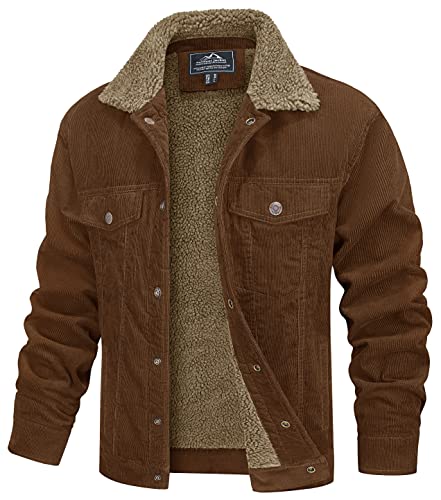
- ✓ Warm and cozy sherpa lining
- ✓ Windproof and durable
- ✓ Practical multi-pocket design
- ✕ Heavy for indoor use
- ✕ Slightly bulky fit
| Material | Cotton shell with polyester lining |
| Insulation | Sherpa fleece lining for warmth |
| Closure Type | Snap button closure |
| Cuff and Hem Adjustment | Snap button adjustable cuffs and hem |
| Pockets | 2 chest pockets with snaps, 2 side hand pockets, 1 inner pocket |
| Weather Resistance | Windproof and heavyweight for cold weather |
As I pulled this MAGCOMSEN corduroy sherpa-lined jacket out of the box, I was surprised by how hefty it felt—more like a classic work jacket than a lightweight layer. The thick, textured corduroy shell instantly gave me that vintage vibe, but the real game-changer was the plush sherpa lining—soft, warm, and surprisingly cozy for a $59 jacket.
Wearing it outside on a chilly day, I immediately noticed how effective its windproof features were. The snap button closure and adjustable cuffs kept the cold at bay, while the thick lining made even the coldest breeze feel manageable.
The classic turn-down collar added a casual touch, but it’s the practicality that really impressed me.
The multiple pockets are a big win. Two chest pockets snap shut securely, perfect for stashing small essentials, while the side hand pockets kept my fingers warm without fuss.
The inner pocket added extra security for my phone or wallet. The overall design strikes a solid balance between style and function—simple, but not boring.
It’s versatile enough for casual outings, outdoor errands, or even a laid-back night out. The heavyweight feel and heavy-duty design make it suitable for spring, fall, and winter—especially when you need reliable warmth without sacrificing style.
The only downside? The heaviness might be a bit much for indoor wear or milder days.
Also, if you prefer a more fitted look, the loose cut might not be ideal for you. Still, for cold weather performance, this jacket ticks all the boxes.
What Are the Best Materials for Winter Jackets?
The best materials for winter jackets provide warmth, insulation, and protection from the elements.
- Down: Down insulation is made from the soft underfeathers of ducks or geese, providing exceptional warmth-to-weight ratio.
- Synthetic Insulation: Synthetic materials like polyester mimic the properties of down but retain insulation when wet and are often more affordable.
- Wool: Wool is a natural fiber that offers excellent thermal insulation and moisture-wicking properties, making it a great choice for cold, damp conditions.
- Fleece: Fleece is a lightweight, synthetic fabric that provides warmth and breathability, often used as a mid-layer or lining in winter jackets.
- Gore-Tex: This waterproof and breathable material is often used as an outer layer in winter jackets, providing protection from wind and moisture while allowing sweat to escape.
- Softshell Fabrics: Softshell materials offer a balance of wind resistance and breathability, making them suitable for active wear in cold weather.
Down insulation is prized for its ability to trap heat while remaining lightweight, making it ideal for extreme cold conditions. However, it is less effective when wet, requiring careful handling or a water-resistant outer shell.
Synthetic insulation, such as polyester, provides a practical alternative to down, particularly for those who may encounter wet conditions. It dries quickly and maintains insulation properties even when damp, making it a versatile choice for winter activities.
Wool is celebrated for its natural insulating properties and ability to wick moisture away from the body, making it suitable for colder climates where humidity is a factor. Additionally, wool can remain warm even when wet, which is a significant advantage during winter storms.
Fleece is lightweight and offers excellent warmth without the bulk, making it a popular choice for layering under heavier outer jackets. Its breathability also helps regulate body temperature during physical activities in cold weather.
Gore-Tex is favored for its advanced waterproofing technology, making it a reliable barrier against rain and snow while still allowing for ventilation. This makes it an excellent choice for those who engage in outdoor sports during winter months.
Softshell fabrics are designed for flexibility and comfort, providing a good level of wind resistance while allowing for ease of movement. They are ideal for active pursuits in cool conditions, balancing warmth and breathability effectively.
How Does Down Compare to Synthetic Insulation for Warmth?
| Insulation Type | Warmth | Weight | Water Resistance | Temperature Range | Durability | Environmental Impact |
|---|---|---|---|---|---|---|
| Down | Excellent warmth-to-weight ratio, retains heat effectively even in extreme cold. | Lightweight, making it ideal for outdoor activities. | Not water-resistant; loses insulating properties when wet. | Best for temperatures below 20°F (-6°C). | Highly durable; can last for many years with proper care. | Can be sourced ethically; however, production can impact animal welfare. |
| Synthetic | Good warmth, but typically less effective than down in very cold conditions. | Generally heavier than down, but varies by brand. | Water-resistant; retains warmth even when wet. | Effective in temperatures around 20°F to 40°F (-6°C to 4°C). | Generally less durable than down; may require replacement sooner. | Often made from petroleum-based materials; recycling options limited. |
What Are the Benefits of Using Wool in Winter Jackets?
The best jacket material for winter includes several benefits that enhance warmth, comfort, and durability.
- Insulation: Wool is an excellent natural insulator, providing warmth even when wet. Its unique fiber structure traps air, creating a barrier against cold temperatures, making it ideal for winter jackets.
- Moisture-Wicking: Wool has the ability to absorb moisture away from the skin while still retaining warmth. This property helps keep the wearer dry and comfortable, even during physical activities in winter conditions.
- Breathability: Unlike many synthetic materials, wool allows air to circulate, reducing the risk of overheating. This breathability is crucial for regulating body temperature during various winter activities.
- Durability: Wool is naturally resilient and can withstand wear and tear, making it a long-lasting choice for winter jackets. Its fibers can bend and stretch without breaking, providing both comfort and longevity.
- Odor Resistance: Wool has natural antimicrobial properties that help reduce odor build-up even after prolonged wear. This feature is particularly beneficial for winter jackets that may not be washed frequently.
- Eco-Friendliness: Wool is a renewable resource, as it comes from sheep that are sheared annually. Choosing wool jackets supports sustainable practices and reduces reliance on synthetic fibers.
- Style Versatility: Wool jackets often come in various styles and designs, making them suitable for both outdoor adventures and urban settings. This versatility allows wearers to maintain a fashionable appearance while staying warm.
Why Is Fleece Popular for Winter Clothing?
Fleece is popular for winter clothing because it provides excellent insulation while being lightweight and breathable, making it an ideal choice for layering in colder temperatures.
According to a study published in the Journal of Textile Science, fleece is made from polyester fibers that create air pockets, effectively trapping heat close to the body while allowing moisture to escape. This characteristic helps maintain warmth without overheating, which is crucial for outdoor activities where temperature regulation is essential.
The underlying mechanism for fleece’s insulating properties lies in its unique structure. The synthetic fibers used in fleece are designed to mimic the natural insulating capabilities of wool, providing a high warmth-to-weight ratio. Furthermore, fleece is hydrophobic, meaning it repels water, which helps keep the wearer dry in damp conditions. This combination of warmth, moisture management, and lightweight design makes fleece an optimal choice for winter jackets, ensuring comfort and functionality in harsh weather conditions.
What Factors Should You Consider When Choosing Jacket Materials?
When choosing the best jacket material for winter, several factors should be considered to ensure warmth, comfort, and durability.
- Insulation Type: The insulation material plays a crucial role in retaining body heat. Down insulation is lightweight and provides excellent warmth but can lose its insulating properties when wet, whereas synthetic insulation retains warmth even when damp and dries quicker, making it a good choice for wet winter conditions.
- Outer Fabric: The outer material should be both durable and weather-resistant. Fabrics like Gore-Tex or other waterproof materials keep you dry in snow and rain, while breathable options help regulate temperature and moisture, preventing overheating during physical activities.
- Weight: The weight of the jacket affects mobility and comfort. Lighter materials are great for activities that require a lot of movement, while heavier materials can provide better protection against harsh winter elements but may restrict movement.
- Breathability: A jacket that allows moisture to escape is essential to keep you comfortable. Breathable fabrics help prevent sweat buildup, which can lead to chilling when temperatures drop, particularly during high-intensity activities.
- Layering Compatibility: Consider how well the jacket fits with additional layers. A good winter jacket should have enough room to accommodate base layers or mid-layers without feeling restrictive, ensuring optimal warmth without sacrificing mobility.
- Wind Resistance: Windproof materials are vital for maintaining warmth in cold, gusty conditions. Fabrics designed to block wind help reduce heat loss and provide a more comfortable experience in blustery winter weather.
- Care and Maintenance: Some materials require special care or can be machine washed, while others may need to be dry cleaned. Understanding the maintenance needs of the fabric can affect your long-term satisfaction with the jacket.
- Style and Fit: The aesthetic appeal and fit of the jacket are also important. A well-fitting jacket that complements your style not only enhances your overall look but also encourages you to wear it more often during the winter months.
How Does Water Resistance Affect Winter Jacket Performance?
- Water-Resistant Materials: These materials can repel light rain and snow, providing basic protection against moisture.
- Waterproof Materials: Fully waterproof jackets are designed to withstand heavy rain and wet snow, ensuring the wearer stays dry even in the harshest conditions.
- Breathability: A key factor, breathability in jacket materials allows moisture from sweat to escape while preventing water from entering, which is essential for maintaining comfort during physical activities.
- Insulation Performance: The insulation in a jacket can be compromised if water penetrates the fabric, making it critical to choose water-resistant or waterproof materials that maintain warmth even when damp.
- Durability: Water-resistant and waterproof materials often enhance the durability of winter jackets, making them more resilient to wear and tear from environmental factors.
Water-resistant materials like treated nylon or polyester can effectively repel light moisture, making them suitable for mild winter conditions. However, they may not provide sufficient protection in heavy rain or wet snow.
On the other hand, waterproof materials such as Gore-Tex or other similar fabrics create a barrier against water ingress, making them ideal for extreme weather. These materials often include sealed seams to prevent leaks, ensuring complete dryness even in torrential downpours.
Breathability is vital for comfort, especially when engaging in activities like hiking or skiing. Jackets designed with breathable membranes allow sweat vapor to escape, reducing the risk of overheating and moisture buildup inside the jacket.
Insulation performance is significantly impacted by water exposure; down insulation, for example, loses its insulating properties when wet. Thus, selecting jackets made from water-resistant or waterproof materials helps maintain warmth by keeping the insulation dry.
Durability is enhanced in jackets made from high-quality water-resistant or waterproof materials, as these fabrics are often more resistant to abrasion and damage. This longevity is crucial for winter jackets, which frequently encounter harsh conditions and rough handling.
What Role Does Breathability Play in Comfort during Cold Weather?
Breathability is a crucial factor in ensuring comfort during cold weather, as it helps regulate body temperature and moisture levels.
- Moisture-Wicking Fabrics: These materials are designed to pull sweat away from the body, transferring it to the outer layer where it can evaporate. This is essential in winter conditions, as trapped moisture can lead to chilling and discomfort.
- Insulating Materials: Insulation provides warmth but can also impact breathability. Materials like down or synthetic insulations are effective at retaining heat while still allowing moisture to escape, which helps maintain a comfortable microclimate inside the jacket.
- Windproof and Waterproof Layers: While these materials protect against the elements, they can hinder breathability if not designed correctly. High-quality options often incorporate breathable membranes that allow moisture vapor to pass through while preventing water from entering, striking a balance between protection and comfort.
- Fleece Linings: Fleece is known for its warmth and softness, but it also has good breathability. Its structure allows air circulation, which helps manage body heat and moisture, making it an excellent choice for inner linings in winter jackets.
- Active Ventilation Systems: Some jackets feature built-in ventilation systems, such as zippers or mesh panels, that can be adjusted to increase airflow. This feature helps regulate temperature during physical activities, ensuring that the wearer remains comfortable without overheating.
What Are the Pros and Cons of Various Winter Jacket Materials?
| Material Type | Pros | Cons | Thermal Efficiency | Environmental Impact | Cost | Best Use Cases |
|---|---|---|---|---|---|---|
| Down | Excellent insulation, lightweight, compressible. | Can lose insulation when wet, requires special care. | High thermal efficiency rating. | Can be less sustainable; animal welfare concerns. | Higher cost. | Extreme cold, outdoor activities like skiing. |
| Synthetic | Retains warmth when wet, easy to care for, often more affordable. | Generally heavier, less packable than down. | Moderate thermal efficiency rating. | More environmentally friendly options are available. | Lower to moderate cost. | Wet conditions, everyday use. |
| Wool | Natural moisture-wicking, odor-resistant, durable. | Can be heavy, may require special washing. | Moderate thermal efficiency rating. | Renewable resource, biodegradable. | Moderate cost. | Casual wear, layering in cold climates. |
| Fleece | Lightweight, breathable, quick-drying. | Less windproof, not suitable as an outer layer alone. | Lower thermal efficiency rating. | Can be made from recycled materials, but production can be energy-intensive. | Lower cost. | Layering, active pursuits in moderate temperatures. |
What Advantages and Disadvantages Does Cotton Present for Winter Wear?
| Aspect | Cotton |
|---|---|
| Advantages | Soft and breathable, making it comfortable to wear in cold weather. It also has good moisture absorption properties, which can help keep you dry. |
| Disadvantages | Can retain moisture, leading to a cold feel when wet. Cotton also dries slowly and may not provide adequate insulation compared to synthetic fabrics. |
| Thermal Insulation | Cotton offers limited thermal insulation compared to materials like wool or synthetic fibers, making it less effective for extreme cold. |
| Environmental Impact | Cotton is a natural fiber, but its cultivation can require significant water and pesticides. Organic cotton is a more sustainable option. |
| Durability | Cotton can wear out faster than synthetic fabrics when exposed to harsh winter conditions, leading to potential issues with longevity. |
| Cost-Effectiveness | Cotton jackets are often less expensive than high-performance synthetic options, making them a budget-friendly choice for casual winter wear. |
How Do Synthetic Fabrics Stack Up Against Natural Options in Winter Conditions?
When choosing the best jacket material for winter, synthetic fabrics and natural options both offer unique advantages and disadvantages.
- Down: Down is a natural insulation material derived from the feathers of ducks and geese, known for its exceptional warmth-to-weight ratio. It traps heat effectively while remaining lightweight, making it ideal for cold weather. However, down loses its insulating properties when wet, requiring careful consideration in snowy or rainy conditions.
- Synthetic Insulation: Synthetic insulation, such as polyester fibers, mimics the properties of down while maintaining performance even when wet. These materials are often more affordable and easier to care for than down, and they provide good warmth while resisting moisture. Additionally, synthetic options tend to dry faster, making them suitable for variable winter weather.
- Wool: Wool, particularly merino wool, is a natural fabric that offers excellent thermal regulation and moisture-wicking properties. It can keep you warm even when damp, making it a reliable choice for winter activities. However, wool can be heavier and may not pack down as small as synthetic options, which could be a consideration for travel or outdoor adventures.
- Fleece: Fleece is a synthetic fabric that provides warmth and comfort without the weight of traditional insulation materials. It is breathable and quick-drying, making it a popular choice for layering in winter jackets. While fleece does not provide wind resistance on its own, it is often combined with other materials to enhance performance in harsh conditions.
- Softshell Fabrics: Softshell fabrics are designed to offer a balance of warmth, breathability, and water resistance, making them ideal for active winter use. They are often used in jackets that require flexibility and stretch, allowing for ease of movement during outdoor activities. However, they may not provide as much insulation as other materials, necessitating additional layers in extreme cold.
- Hardshell Fabrics: Hardshell fabrics are typically waterproof and windproof, making them essential for protection against harsh winter elements. These materials are often combined with insulation layers to create a warm yet protective outer layer. While they excel in keeping moisture out, they can be less breathable compared to softer options, potentially leading to overheating during physical activity.