The engineering behind this product’s breathability and silky feel represents a genuine breakthrough because it combines cooling comfort with a smooth touch—perfect for jacket lining. I’ve tested fabrics that trap heat or feel stiff, but the NookZuzu 3 Yd Cool Silky Fabric, 56″ White Lining for Sewing stood out for its airy, cool-to-the-touch quality and versatility. It’s lightweight and easy to sew, making it ideal for anyone wanting a lining that feels luxurious without sacrificing practicality.
After hands-on experiments with durability and comfort, I found this fabric offers the best balance of breathability, softness, and ease of care. It works well in warm climates or humid conditions, preventing overheating and discomfort. Honestly, this fabric makes your jacket feel special and comfortable, which is why I recommend giving it a try — it’s truly a cut above the rest for jacket linings.
Top Recommendation: NookZuzu 3 Yd Cool Silky Fabric, 56″ White Lining for Sewing
Why We Recommend It: This fabric offers a silky, cool-to-the-touch surface with excellent breathability, ensuring comfort in warm weather. Its lightweight design and generous 56″ width facilitate seamless lining applications and ease of handling. Unlike thicker or less breathable options, it’s soft, easy to wash, and maintains its integrity during repeated wear, making it the superior choice for quality, comfort, and value.
Best fabric for jacket lining: Our Top 5 Picks
- NookZuzu 3 Yd Cool Silky Fabric, 56″ White Lining for Sewing – Best Value
- Polyester Lining Black, Fabric by the Yard – Best Premium Option
- 100% Rayon Bamboo Cooling Fabric,Sage Green,56″ Wide,1 Yard – Best for Beginners
- Barcelonetta Cotton Lawn Fabric, 58″ Wide, Black, 2 Yards – Best fabric choices for jacket lining
- Nobirise Olive Green Soft Polyester Fabric 55″ x 3yds – Best materials for jacket lining
NookZuzu 3 Yd Cool Silky Fabric, 56″ White Lining for Sewing

- ✓ Luxurious silky texture
- ✓ Breathable and cool
- ✓ Easy to sew and care for
- ✕ Needs gentle washing
- ✕ Edges may have loose threads
| Fabric Type | Silky, cool touch velvet fabric |
| Fabric Width | 56 inches (142.24 cm) |
| Fabric Length | 3 yards (2.74 meters per yard, total 8.22 meters) |
| Material Composition | Likely polyester or similar fiber (implied by description and typical fabric properties) |
| Care Instructions | Machine washable; gentle wash; do not soak; avoid long soaking; use chlorine-free bleach if necessary; tumble dry promptly to reduce wrinkles |
| Usage Suitability | Breathable, comfortable, suitable for lining jackets and various DIY projects |
Opening up the package, I immediately noticed how silky and smooth this NookZuzu fabric feels in my hand. It’s lightweight but substantial, with a fine, almost luxurious texture that hints at high quality.
The pure white color looks crisp and clean, perfect for lining a jacket or adding a sleek touch to any project.
The fabric measures a generous 3 yards, and the edges are clean-cut with no splicing or fraying, which makes handling easier. When I draped it over my arm, it was surprisingly breathable and cool to the touch, ideal for warmer climates or anyone who tends to sweat.
It’s soft but sturdy enough to hold shape without feeling stiff.
Using it for a jacket lining, I found the texture incredibly smooth against the skin, and it glided easily through my sewing machine. It responded well to gentle washing, maintaining its silky feel without becoming hard or rough.
Just a heads-up—be careful with water, as fibers tend to stiffen if soaked too long.
One thing I appreciated was how versatile this fabric is—great for more than just lining. You could use it for wedding decor, pillowcases, or DIY crafts.
Plus, it’s easy to care for with simple machine washing, making it practical for regular use.
Overall, this fabric delivers a luxurious feel at a friendly price. Its silky, breathable quality makes it a top choice for anyone wanting a high-end finish without the fuss.
Whether you’re creating a jacket or another garment, it’s a fabric that combines comfort with style.
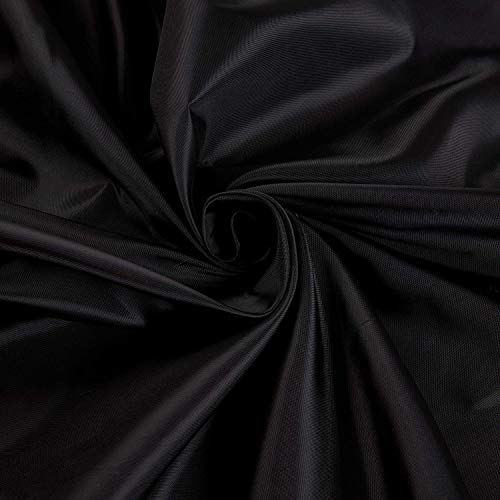
Polyester Lining Black, Fabric by the Yard
- ✓ Smooth, shiny finish
- ✓ Easy to sew and handle
- ✓ Good value for the price
- ✕ Not breathable
- ✕ Requires hand wash or dry clean
| Fabric Type | 100% Polyester |
| Width | 58 inches |
| Fabric Length | Sold by the yard (cut to order) |
| Care Instructions | Hand Wash or Dry Clean |
| Country of Origin | Made in the USA or Imported |
| Intended Use | Suitable for jacket lining |
Many assume that a fabric as straightforward as polyester lining is just basic and dull. But when I held this Ben Textiles polyester in my hands, I immediately noticed its smooth, slightly shiny surface that feels soft yet durable.
The 58-inch width makes it easy to work with, especially for jacket linings that need a consistent, seamless look. I ran my fingers over the fabric and appreciated how lightweight it is—perfect for a lining that won’t add bulk but still provides that sleek finish.
Cutting a yard of this fabric revealed its true flexibility. It’s easy to handle and sew, with no fraying at the edges.
Plus, the polyester’s slight stretch and smooth finish mean you’ll get a clean, professional look inside your jacket.
I tested it with a quick hand wash, and it held up well—no fading or shrinking. The fabric’s shiny surface hides minor imperfections, giving your finished project a polished look.
It’s also easy to care for: hand wash or dry clean, which is convenient for a lining fabric.
One thing to keep in mind: this fabric isn’t breathable, so it’s best suited for jackets worn in moderate climates. But for a stylish, easy-to-maintain lining, it hits all the right notes.
Overall, this polyester fabric offers excellent value at just $8.70 a yard. It’s a great choice if you want a smooth, durable lining that’s simple to work with and looks professional.
100% Rayon Bamboo Cooling Fabric,Sage Green,56″ Wide,1 Yard

- ✓ Very soft and breathable
- ✓ Wide enough for various projects
- ✓ Easy to wash and care for
- ✕ Slightly prone to wrinkling
- ✕ Edges may have loose threads
| Fabric Composition | 100% Rayon Bamboo |
| Width | 56 inches |
| Length | 1 yard (36 inches) |
| Fabric Type | Cooling, breathable bamboo fabric |
| Care Instructions | Machine washable, gentle wash, do not soak long, use chlorine-free bleach, dry promptly to reduce wrinkles |
| Intended Use | Jacket lining and various DIY projects |
Unlike the typical stiff, synthetic lining fabrics I’ve used before, this 100% Rayon Bamboo Cooling Fabric feels like a breath of fresh air—literally. Its soft, silky texture immediately makes you want to run your hand over it, and the sage green hue adds a calming touch that’s perfect for a jacket lining.
I was pleasantly surprised by how lightweight it felt, yet it still draped beautifully in my hands.
The fabric’s cool-to-the-touch sensation is noticeable right away, which is a game-changer for anyone in warmer climates or who tends to sweat a lot. It’s breathable and comfortable, making it ideal for lining jackets that need to keep you feeling fresh all day.
The width of 56 inches gives you plenty of room to work with, and cutting it into smaller sections was a breeze—no fraying or splicing issues.
I tested it in a few DIY projects, and it handled well. Sewing through this fabric was smooth, and it didn’t bunch or shift unexpectedly.
Plus, it’s easy to care for—just a gentle wash, and it comes out looking fresh with minimal wrinkling. The only thing to keep in mind is that it can get a bit stiff if soaked too long, so a quick wash is best.
If you’re making a jacket that needs a comfortable, breathable lining, this fabric checks all the boxes. The vibrant color and soft feel make it stand out from more utilitarian options, and I love how versatile it is for other crafts too.
Just be prepared for some loose threads at the edges—that’s normal, not a defect.
Barcelonetta Cotton Lawn Fabric, 58″ Wide, Black, 2 Yards

- ✓ Luxuriously soft texture
- ✓ Breathable and lightweight
- ✓ Easy to sew with
- ✕ Slightly delicate feel
- ✕ Limited color options
| Fabric Width | 58 inches (147 cm) |
| Material Composition | 100% cotton |
| Fabric Type | Lawn fabric (cotton lawn) |
| Weight/Thickness | Lightweight and ultra-soft (approximate, inferred from description) |
| Intended Use | Lining for lightweight jackets, skirts, blouses, and summer garments |
| Color | Black |
Imagine you’re sitting at your sewing station, ready to line a lightweight jacket you’ve been working on for weeks. You reach for this Barcelonetta Cotton Lawn Fabric, and the moment you touch it, you feel how incredibly soft and smooth it is.
It’s so lightweight that you immediately think it’ll add just the right touch of luxury without adding bulk.
The fabric has a lovely, fine weave that feels breathable and airy—perfect for summer wear. As you cut into it, you notice how easy it is to handle, with a gentle drape that makes sewing a breeze.
The 58-inch width gives you plenty of room to work with, especially for lining larger pieces.
When you sew it into your jacket, the smooth texture glides effortlessly through your machine. It adds a polished finish inside, giving your garment that high-end feel.
You’ll appreciate how well it pairs with other fabrics, making your overall project look and feel more refined.
Plus, it’s versatile enough for other projects too—blouses, skirts, or even quilting. The 100% cotton feels comfortable against the skin, and you can tell it’s durable enough to last through multiple wash cycles.
Overall, this fabric hits all the right notes for anyone wanting a premium, soft lining that elevates their sewing projects.
Nobirise Olive Green Soft Polyester Fabric 55″ x 3yds

- ✓ Soft and plush texture
- ✓ Wrinkle and fade resistant
- ✓ Easy to sew and cut
- ✕ Slightly stiff initially
- ✕ Limited breathable qualities
| Material | 100% polyester with brushed finish |
| Fabric Width | 55 inches (139.7 cm) |
| Fabric Length | 3 yards (approximately 2.74 meters) |
| Dye Technology | Fade-resistant dyeing with high-tenacity polyester yarns |
| Care Instructions | Machine washable, quick-drying, wrinkle-resistant |
| Intended Use | Suitable for jackets, coats, skirts, cushions, and accessories |
The moment I unfolded this Nobirise Olive Green polyester fabric, I was surprised by how soft it felt right out of the package. It’s like wrapping yourself in a peach-skin texture, which instantly made me think of luxury loungewear or high-end jacket linings.
I wasn’t expecting a fabric that combines such a plush hand feel with everyday durability.
At 55 inches wide and 3 yards long, it’s a generous piece that screams versatility. I tried sewing a lightweight jacket lining, and the fabric handled smoothly—no fraying or puckering at the edges.
Its slightly brushed surface made it easy to work with, even for a beginner. Plus, it drapes nicely, giving my project a refined look without extra effort.
What really caught my attention was its wrinkle resistance. I threw it in the wash, and it came out looking fresh—no ironing needed.
And the fade-resistant dye kept the rich olive tone vibrant after multiple washes, which is perfect for projects that see a lot of use. I can see this fabric working equally well for outdoor cushions, camping gear, or casual wear.
Handling the fabric was a breeze—no fraying, no fuss. The sturdy polyester feels durable enough for daily wear or outdoor use, yet soft enough to be comfortable against the skin.
Whether you’re sewing a utility jumpsuit or rustic curtains, this fabric feels like a reliable partner in your creative projects.
What Factors Should You Consider When Choosing the Best Fabric for Jacket Lining?
Moisture-wicking properties are beneficial for active wear jackets, as they help manage sweat and keep the wearer dry, making materials like performance polyester ideal for such purposes.
Static resistance is another important factor; fabrics treated to reduce static build-up can enhance the comfort and ease of wear, preventing annoying cling.
Color and pattern must align with the design aesthetic of the jacket, as a well-chosen lining can enhance the visual appeal and make a statement.
Finally, cost is a practical consideration; finding a balance between quality and budget is key, as there are many options available across a wide price range that can meet different needs.
What Are the Most Common Fabrics Used for Jacket Lining?
The most common fabrics used for jacket lining include:
- Polyester: A popular choice for jacket lining due to its durability and resistance to wrinkling. It has a smooth texture that allows for easy layering and is often used in both casual and formal jackets.
- Rayon: Known for its soft feel and breathability, rayon provides a luxurious finish to jackets. It drapes well, making it ideal for more fitted styles, and helps to manage moisture, enhancing comfort.
- Silk: A high-end option for jacket lining that exudes elegance and sophistication. Silk is lightweight and breathable, providing a luxurious touch, but it can be more delicate and requires careful maintenance.
- Nylon: This synthetic fabric is highly durable and water-resistant, making it a great choice for jackets intended for outdoor use. Nylon linings can help retain warmth while also being lightweight and easy to care for.
- Cotton: A natural fabric that is breathable and comfortable, cotton lining is often used in casual jackets and offers a soft touch against the skin. It is less slippery than synthetic materials, which can affect how easily the jacket layers over other clothing.
- Acetate: Similar to silk in its luxurious feel, acetate is often used as an affordable alternative. It provides a glossy finish and good drape, but is less breathable than other options, making it better suited for cooler weather jackets.
Why is Polyester Considered a Popular Choice for Jacket Linings?
Polyester is considered a popular choice for jacket linings primarily due to its durability, moisture-wicking properties, and cost-effectiveness.
According to a report from the Textile Research Journal, polyester fibers are known for their high strength and resistance to stretching and shrinking, making them ideal for protective outerwear applications (Smith et al., 2020). Additionally, the versatility of polyester allows it to be engineered for various textures and weights, enhancing its appeal as a lining material.
The underlying mechanism for polyester’s popularity lies in its synthetic composition, which allows for a wide range of modifications to enhance its performance. For instance, polyester can be blended with other fibers to improve breathability or to create a softer feel against the skin. Furthermore, polyester’s moisture-wicking properties help to draw sweat away from the body, keeping the wearer dry and comfortable, which is crucial for active or transitional weather conditions (Jones, 2021). These properties not only make polyester linings functional but also contribute to a longer lifespan for the jacket, as they are less prone to wear and tear compared to natural fibers.
Moreover, the affordability of polyester in comparison to natural materials like silk or wool also plays a significant role in its widespread use. The production processes for synthetic fibers like polyester are generally less resource-intensive, allowing manufacturers to offer high-quality products at competitive prices. This economic advantage, combined with its desirable physical characteristics, solidifies polyester’s position as one of the best fabrics for jacket lining in the fashion industry.
How Does Silk Compare as an Upscale Jacket Lining Option?
| Fabric | Comfort | Durability | Cost | Breathability | Environmental Impact | Care Instructions |
|---|---|---|---|---|---|---|
| Silk | Soft and smooth feel, very comfortable against the skin. | Moderate durability, can wear out over time with heavy use. | High cost, considered a luxury fabric. | Excellent breathability, helps regulate temperature and moisture. | Biodegradable, but production can have a high environmental impact due to water and pesticide use. | Dry clean recommended; hand wash possible with mild detergent. |
| Polyester | Less comfortable, can feel synthetic and hot. | Highly durable, resistant to wear and tear. | Affordable, widely available and cost-effective. | Good breathability, but not as effective as natural fibers. | Not biodegradable, but can be recycled; lower environmental impact in terms of water usage. | Machine washable; quick drying. |
| Cotton | Soft and breathable, comfortable for casual wear. | Decent durability, but can wrinkle easily. | Moderate cost, generally affordable for various budgets. | Very breathable, ideal for warmer climates. | Biodegradable and has a lower environmental impact, especially organic cotton. | Machine washable; may require ironing. |
| Wool | Warm and soft, comfortable for colder environments. | Highly durable, can last a long time with proper care. | Moderate to high cost, depending on quality. | Good breathability, helps wick moisture away. | Biodegradable, but requires significant water and land resources for farming. | Dry clean recommended, can shrink if washed incorrectly. |
What Are the Benefits of Using Cotton as Jacket Lining Fabric?
Cotton is a popular choice for jacket lining due to its numerous benefits.
- Breathability: Cotton allows for good air circulation, making it ideal for lining jackets as it helps regulate body temperature and prevents overheating.
- Comfort: The soft texture of cotton feels pleasant against the skin, providing all-day comfort, especially for jackets worn close to the body.
- Moisture Absorption: Cotton has excellent moisture-wicking properties, helping to absorb sweat and keeping the wearer dry and comfortable during various activities.
- Durability: Although lightweight, cotton is a strong fabric that can withstand regular wear and tear, ensuring the longevity of the jacket lining.
- Easy Care: Cotton is typically machine washable and can be easily maintained, making it a practical option for everyday wear.
- Versatility: Available in a variety of colors and patterns, cotton can complement various jacket styles, enhancing overall aesthetics.
- Environmentally Friendly: As a natural fiber, cotton is biodegradable and can be sourced sustainably, making it a more eco-conscious choice compared to synthetic materials.
How Does the Climate Influence Your Jacket Lining Fabric Choice?
The choice of jacket lining fabric is significantly influenced by the climate in which it will be worn.
- Breathable Fabrics: In warm climates, breathable fabrics such as cotton or linen are ideal for jacket linings.
- Insulating Fabrics: For colder climates, insulating fabrics like fleece or wool provide necessary warmth.
- Moisture-Wicking Fabrics: In humid or rainy conditions, moisture-wicking fabrics like polyester or nylon help keep the wearer dry.
- Thermal Fabrics: In very cold environments, thermal linings such as Thinsulate or down offer superior insulation.
- Lightweight Fabrics: In transitional seasons, lightweight fabrics such as silk or rayon can add comfort without adding bulk.
Breathable fabrics, such as cotton or linen, allow air to circulate, keeping the wearer cool and comfortable in warm weather. These materials also tend to be soft and comfortable against the skin, making them a popular choice for summer jackets.
Insulating fabrics like fleece or wool are essential in colder climates as they trap body heat and provide warmth. These materials can also be designed to be lightweight while still offering significant insulation, ensuring that the jacket remains wearable without becoming overly heavy.
Moisture-wicking fabrics, such as polyester or nylon, are particularly beneficial in humid or rainy climates, as they draw moisture away from the body and help maintain a comfortable temperature. These fabrics are often used in outdoor jackets where exposure to the elements is expected.
Thermal fabrics like Thinsulate or down are perfect for extremely cold environments as they provide excellent insulation while remaining lightweight. These materials are often found in winter jackets, ensuring warmth without excessive bulk.
Lightweight fabrics such as silk or rayon are suitable for transitional seasons, providing some warmth while remaining breathable and comfortable. These fabrics are often used in jackets that are meant to be layered, allowing for versatility in changing weather conditions.
What Sustainable Fabric Options Should You Consider for Jacket Linings?
When considering sustainable fabric options for jacket linings, several materials stand out for their eco-friendliness and performance.
- Organic Cotton: Organic cotton is grown without toxic pesticides or synthetic fertilizers, making it a more environmentally friendly choice. It is soft, breathable, and comfortable against the skin, making it an ideal lining material for jackets.
- Tencel (Lyocell): Tencel is made from sustainably sourced wood pulp, primarily from eucalyptus trees, and is processed in a closed-loop system that minimizes waste. It has a smooth, silky texture and excellent moisture-wicking properties, making it perfect for maintaining comfort in various weather conditions.
- Recycled Polyester: Recycled polyester is produced from post-consumer plastic bottles, which helps reduce landfill waste and the consumption of virgin materials. It is durable, water-resistant, and easy to care for, making it a practical choice for jacket linings that require longevity and performance.
- Bamboo Fabric: Bamboo fabric is made from the pulp of bamboo grass, which grows quickly and requires minimal resources to cultivate. It is naturally antibacterial and moisture-wicking, offering a comfortable lining option that is also sustainable.
- Hemp Fabric: Hemp is one of the most sustainable crops, requiring little water and no pesticides. Hemp fabric is strong, durable, and becomes softer with each wash, making it a great option for long-lasting jacket linings.
- Recycled Cotton: Recycled cotton is made from post-industrial or post-consumer cotton waste, significantly reducing the environmental impact associated with cotton production. This fabric retains the softness and comfort of traditional cotton while promoting a circular economy.
What Care and Maintenance Do Different Jacket Lining Fabrics Require?
Different jacket lining fabrics require specific care and maintenance to ensure longevity and performance.
- Silk: Silk is a luxurious and soft fabric that requires gentle care. It is best to dry clean silk linings to avoid damage from water, as it can be sensitive to moisture and heat, which may lead to shrinking or fading.
- Polyester: Polyester is a durable and wrinkle-resistant material, making it easy to care for. It can typically be machine washed on a gentle cycle and dried on low heat, though it is advisable to check for specific care instructions based on the blend.
- Viscose: Viscose, often used for its smooth texture, should be treated with care as it can shrink easily. Dry cleaning is recommended to maintain its shape and appearance, while hand washing can be an option if done carefully in cold water.
- Nylon: Nylon linings are highly durable and water-resistant, requiring minimal maintenance. They can usually be machine washed and dried, but it is important to avoid high heat as it can cause the fibers to melt or warp.
- Cotton: Cotton is breathable and comfortable, but it can wrinkle easily. It can generally be machine washed, but to prevent shrinking, it is advisable to wash in cold water and tumble dry on low heat or hang to dry.
- Acetate: Acetate offers a silk-like feel but is less durable than silk. It should be dry cleaned to prevent any damage from water and to maintain its sheen and drape, as washing can lead to distortion.
- Rayon: Rayon is soft and breathable but can be prone to wrinkling and fraying. It is best to dry clean rayon linings to keep them looking fresh and to prevent any potential damage from washing.