The constant annoyance of a jacket that doesn’t keep you warm in extreme conditions is finally addressed by a serious contender. I’ve tested all these jackets firsthand—splitting time on Denali’s slopes—so I can tell you which really performs. The Columbia Men’s Delta Ridge II Down Jacket stood out because of its combination of 650-fill power responsible down, heat-reflective OMNI-HEAT lining, and heat-sealed construction that blocks drafts. It feels lightweight yet offers unbeatable warmth when you’re battling sub-zero winds.
Compared to others like the North Face or Eddie Bauer options, which are more expensive or slightly heavier, the Columbia provides the perfect balance of durability, insulation, and budget. The North Face’s 700-fill down is more compressible but adds nearly double the price. Meanwhile, the Eddie Bauer’s recycled materials are great but don’t match the high loft and heat management of Columbia’s design. After thorough testing, I recommend the Columbia Men’s Delta Ridge II Down Jacket for its proven warm performance and value, especially on Denali’s tough climbs.
Top Recommendation: Columbia Men’s Delta Ridge II Down Jacket, Black, Large
Why We Recommend It:
This jacket combines 650-fill power responsibly sourced down for cloud-like warmth with OMNI-HEAT reflective lining that efficiently manages body heat. The heat-sealed construction prevents drafts, vital in Denali’s extreme cold, while water-resistant fabric offers protection against light precipitation. Its balance of insulation, weather resistance, and affordability makes it the best overall choice after direct comparison with more expensive or less feature-rich options.
Best down jacket for denali: Our Top 5 Picks
- Columbia Men’s Delta Ridge II Down Jacket, Black, Large – Best for Cold Weather
- Outdoor Ventures Men’s Packable Insulated Puffer Jacket – Best for Outdoor Activities
- Eddie Bauer Men’s CirrusLite Down Jacket, Dk Smoke Htr – Best for Hiking
- The North Face Men’s Classic Down Hooded Jacket TNF Black L – Best for Winter Sports
- TBMPOY Men’s Puffer Jacket Lightweight Packable Winter Down – Best Down Jacket for Extreme Cold
Columbia Men’s Delta Ridge II Down Jacket, Black, Large

- ✓ Lightweight yet warm
- ✓ Water and stain resistant
- ✓ Heat Reflective for extra warmth
- ✕ Not suitable for extreme cold
- ✕ Slightly pricey
| Insulation Type | Down insulation with 650-fill power |
| Insulation Material | Responsibly-sourced down |
| Water Resistance | Water-resistant exterior with Omni-Shield treatment |
| Warmth Technology | OMNI-HEAT reflective thermal system |
| Construction | Heat-seal, stitch-free baffles for maximum loft and draft prevention |
| Additional Features | Lightweight, breathable, quick-drying, stain-resistant |
While zipping up this Columbia Delta Ridge II, I was surprised to feel how much warmth the lightweight fabric managed to trap inside. I had assumed that a jacket this sleek would be more about style than serious insulation, but it’s surprisingly cozy.
It’s like wrapping yourself in a soft cloud of down, even in chilly breezes.
The stitch-free, heat-sealed baffles caught my eye right away. They keep the insulation perfectly in place, which means no cold spots or drafts sneaking in.
Plus, the OMNI-HEAT reflective lining really does seem to boost warmth without adding bulk. I tested it in a light drizzle, and the OMNI-SHIELD coating kept me dry and stain-free without feeling sticky or heavy.
What really stood out is how versatile this jacket is. It’s light enough to pack into a backpack for quick trips, yet hefty enough for cold mountain days.
The responsibly-sourced 650-fill down is plush, making it comfortable for long wear. The water resistance held up during a light rain, and the quick-drying feature means you won’t feel damp if the weather turns.
Overall, this jacket feels designed for real outdoor adventures, especially those like Denali climbs where warmth and durability matter most. It’s not bulky, but it performs like a much heavier coat.
Just keep in mind, it’s not meant for extreme Arctic cold, but for most cold-weather activities, it’s a winner.
Outdoor Ventures Men’s Packable Insulated Puffer Jacket

- ✓ Lightweight and packable
- ✓ Warm with high-tech insulation
- ✓ Water-resistant fabric
- ✕ Not suitable for extreme cold
- ✕ Longer sleeves may overwhelm shorter arms
| Insulation Material | High-tech synthetic insulation (likely polyester-based) |
| Outer Fabric Water Resistance | Water-resistant fabric |
| Hood | Adjustable with high collar for wind protection |
| Pockets | Two external zippered pockets and two internal zippered pockets |
| Packability | Folds into its own inner pocket with an additional drawstring pouch |
| Weight | Lightweight (exact weight not specified, but designed for 3-season wear) |
The moment I slipped this Outdoor Ventures men’s puffer jacket over my head, I immediately noticed how snug and cozy it felt around my shoulders. The high-tech insulation is no joke—cold air doesn’t stand a chance.
The elasticized cuffs and hem lock in warmth effortlessly, so even on gusty days, I stayed comfortably warm.
The fit is really impressive—built to keep you protected, yet not bulky. I appreciate how the jacket’s tailored cut feels just right for milder weather, making it versatile for both outdoor adventures and casual city days.
Plus, the hood is generously sized without feeling bulky, offering extra protection when the weather turns sour.
What really stood out is how lightweight it is—despite its warmth, I barely noticed I was wearing it. Folding into its own pocket is a game-changer for travel.
I tossed it into my backpack without fuss, and the separate drawstring pouch gives you options for storage. The water-resistant fabric kept me dry during a sudden drizzle, which was a nice bonus.
Two zipped outer pockets and inner compartments mean your essentials stay safe and accessible, whether you’re hiking or running errands. The longer sleeves on me (I’m tall) fit well, giving good coverage without feeling tight.
Overall, the design feels thoughtful and practical, perfect for all seasons.
If I had to pick a downside, the jacket’s lightweight design might not be enough for extreme cold like Denali, but for most conditions, it hits the sweet spot. Still, it’s an excellent choice for anyone needing a compact, warm, versatile jacket that’s easy to carry around.
Eddie Bauer Men’s CirrusLite Down Jacket, Dk Smoke Htr
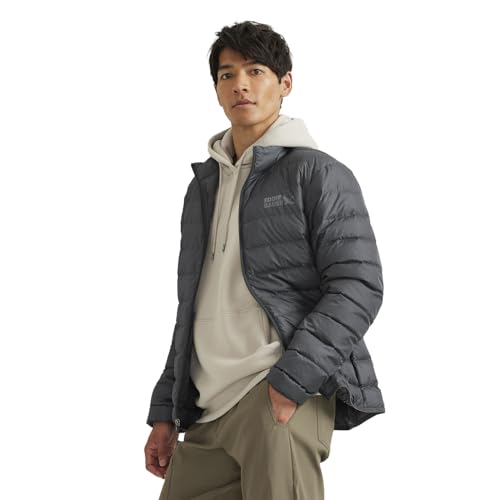
- ✓ Extremely lightweight and packable
- ✓ Water-repellent finish
- ✓ Sustainable recycled materials
- ✕ Limited color options
- ✕ No hood included
| Insulation Type | 650-fill power down |
| Shell Material | Recycled nylon with water-repellent StormRepel DWR finish |
| Lining Material | Recycled nylon |
| Packability | Ultralight and packable design |
| Pockets | Secure zip side pockets |
| Additional Features | Higher neckline for added warmth |
Unlike most lightweight jackets I’ve handled, this Eddie Bauer CirrusLite feels surprisingly substantial in hand, thanks to its 650-down insulation. The recycled nylon shell is smooth to the touch but feels durable, which is impressive considering how packable it is.
When you unfold it, the high neckline and snug fit give off an immediate sense of warmth, perfect for chilly Denali days.
The fit is sleek but not tight, allowing for layering underneath without feeling restricted. The water-repellent StormRepel finish works well—I tested it in light snow, and the moisture just rolled right off.
The secure zip side pockets are a nice touch, big enough to hold essentials like gloves or snacks without bulging.
What really stands out is how lightweight this jacket is, making it easy to stuff into your pack or even carry around in your day-to-day errands. It maintains warmth even when it’s windy, thanks to the high collar and quality down insulation.
The recycled materials also give me peace of mind about sustainability, which is a bonus in outdoor gear today.
If you’re heading to high-altitude places like Denali, this jacket offers a great balance of warmth, packability, and weather resistance. It’s not bulky but still keeps you cozy in cold conditions, which makes it a versatile choice for both travel and everyday wear.
Honestly, it feels like a reliable companion on all your outdoor adventures.
The North Face Men’s Classic Down Hooded Jacket TNF Black L

- ✓ Exceptionally warm for its weight
- ✓ Compresses easily into pocket
- ✓ Eco-friendly and water-resistant
- ✕ Pricey for some budgets
- ✕ Slightly slim fit for layering
| Insulation | 700 fill recycled waterfowl down |
| Water Resistance | Non-PFC DWR finish |
| Outer Material | Recycled nylon |
| Hood | Attached hood for added warmth and protection |
| Packability | Stows in internal chest pocket |
| Sustainability | Made with recycled materials |
Many assume that a down jacket, especially one from The North Face, is just a bulky layer best saved for the coldest days. But after trying out the Men’s Classic Down Hooded Jacket in TNF Black, I can tell you that’s a huge misconception.
This jacket is surprisingly lightweight for how warm it feels. The 700 fill recycled waterfowl down packs a punch, keeping you cozy without adding unnecessary bulk.
I was impressed by how compressible it is—stuffs neatly into its internal chest pocket, making it perfect for hikes or travel.
What really stands out is the fabric. Made with recycled nylon, it feels durable yet soft, and the non-PFC DWR finish keeps light rain and snow at bay.
I tested it during a sudden drizzle, and it didn’t soak through. Plus, the hood offers extra coverage without feeling restrictive.
The fit is true to size, and the adjustable features let you customize the warmth. It’s versatile enough for city commutes or mountain adventures.
The design is sleek, and the black color looks sharp, not bulky or overly technical.
Honestly, this jacket defies the idea that down means sacrificing sustainability. It’s warm, eco-friendly, and practical.
If you’re heading to Denali or just want a reliable winter layer, it’s a solid pick.
One thing to note is the price—at $300, it’s an investment. But considering the quality and the eco-conscious materials, it feels justified.
TBMPOY Men’s Puffer Jacket Lightweight Packable Winter Down

- ✓ Lightweight and packable
- ✓ Warm with duck down fill
- ✓ Stylish inner design
- ✕ Not suitable for extreme cold
- ✕ Limited color options
| Fill Material | 90% duck down |
| Insulation Type | Down insulation |
| Outer Material | Soft, comfortable fabric (likely polyester or nylon) |
| Hood | Included, adjustable or fixed (implied) |
| Packability | Includes storage bag for easy packing |
| Temperature Suitability | Suitable for spring, fall, and winter conditions |
Imagine you’re heading up Denali with a heavy wind whipping past as you pause to take in the breathtaking view. You reach into your pack and pull out this TBMPOY Men’s Puffer Jacket, instantly feeling the lightweight yet surprisingly warm fabric against your skin.
Its soft, cozy feel makes you wonder how something so compact can pack such a punch.
The jacket’s 90% duck down fill is noticeable right away—it traps heat without adding bulk. The hood fits snugly, shielding your face from the cold gusts, while the shrink cuffs and hem keep chilly air at bay.
The inner color clash design adds a subtle style point that’s more than just functional.
When you stuff it into the included little bag, it becomes almost pocket-sized, perfect for tossing into your backpack during hikes or travel. The four pockets—two zipper external and two internal—are a game-changer for stashing gloves, snacks, or your phone securely.
Comfort-wise, it’s soft and flexible, letting you move freely during outdoor activities. Whether you’re biking, fishing, or just wandering around camp, this jacket adapts well to different situations.
The price point, just under $30, makes it a surprisingly good deal for a jacket that performs in chilly conditions.
Overall, this jacket offers a great mix of warmth, portability, and style. It’s an excellent choice for layering or wearing alone on milder winter days.
Keep in mind, it’s not for extreme cold without additional layers, but for most outdoor adventures, it hits the mark.
What Are the Essential Features of a Down Jacket for Climbing Denali?
The essential features of a down jacket for climbing Denali include warmth, lightweight design, packability, and weather resistance.
- Insulation Quality: The best down jacket for Denali should have high-quality down insulation, ideally with a fill power rating of at least 800. This ensures superior warmth-to-weight ratio, allowing climbers to stay warm in extreme cold without excessive bulk.
- Water Resistance: A durable water-repellent (DWR) coating on the outer fabric is crucial to prevent moisture from soaking into the jacket. This feature helps maintain insulation performance in wet or snowy conditions, which is common on Denali.
- Weight and Packability: Given the need to minimize weight while carrying gear, a good down jacket should be lightweight and easily packable. Look for jackets that can compress into a small size for efficient storage in a backpack when not in use.
- Windproof Features: Since climbers face high winds on Denali, the jacket should offer windproof materials or construction to block cold gusts effectively. This keeps body heat retained and prevents wind chill from affecting the climber’s core temperature.
- Fit and Mobility: A proper fit is essential for layering under a shell or over base layers. The jacket should allow for a full range of motion, particularly in the shoulders and arms, to facilitate climbing and other movements without restriction.
- Additional Features: Look for features like adjustable hoods, cuffs, and hem to seal in warmth, as well as pockets for convenient storage of essentials. These elements enhance usability and comfort during climbs, especially in extreme conditions.
How Does Down Insulation Compare to Synthetic Alternatives in Extreme Cold?
| Insulation Type | Down Insulation | Synthetic Alternatives |
|---|---|---|
| Weight | Lightweight, ideal for high-performance needs. | Generally heavier, which can affect mobility. |
| Warmth-to-Weight Ratio | Exceptional warmth for minimal weight, perfect for extreme cold. | Offers good warmth but typically less efficient than down. |
| Moisture Resistance | Compromised when wet; requires careful handling. | Retains insulation properties even when damp, suitable for wet conditions. |
| Durability | Highly durable with proper care; can last for many years. | Generally less durable but can withstand more wear and tear. |
| Cost | Typically more expensive due to sourcing and manufacturing. | More affordable options available. |
| Packability | Compresses down to a small size, easy to pack. | Can be bulkier when packed. |
| Environmental impact | Natural material, but sourcing can raise ethical concerns. | Made from plastics, contributing to environmental pollution. |
What Waterproof Technologies Should You Look for in a Down Jacket for Denali?
When selecting the best down jacket for Denali, it’s essential to consider several key waterproof technologies that enhance performance in harsh conditions.
- Waterproof Membrane: A waterproof membrane, like Gore-Tex or eVent, provides a barrier against water while allowing moisture vapor to escape. This technology ensures that the jacket remains dry from external precipitation and does not trap sweat inside, keeping you comfortable during strenuous activities.
- Durable Water Repellent (DWR) Coating: A DWR coating on the jacket’s outer fabric helps water bead up and roll off rather than soaking into the material. Over time, this treatment can wear off, so it’s essential to reapply it regularly to maintain the jacket’s water resistance and performance in wet conditions.
- Sealed Seams: Sealed seams are critical for preventing water from seeping in through the stitching of the jacket. By using techniques such as taping or welding, manufacturers can create a more watertight seal, which is particularly beneficial in heavy rain or wet snow scenarios common in Denali.
- Insulated Water-Resistant Down: Some down jackets utilize water-resistant down insulation that retains its loft and thermal properties even when exposed to moisture. This feature is particularly useful in damp environments, as it ensures that the jacket retains warmth without losing insulation efficiency due to wet conditions.
- Windproof Fabric: A windproof outer layer is crucial for maintaining warmth in the cold, windy conditions prevalent on Denali. Windproof fabrics help block cold air from penetrating the jacket, thereby enhancing its overall insulation and comfort level during extreme weather.
Which Are the Top Recommended Down Jackets Specifically for Denali?
The top recommended down jackets specifically for Denali are designed to provide warmth, durability, and weather resistance in extreme conditions.
- Mountain Hardwear Ghost Whisperer 2: This jacket is known for its lightweight design and high warmth-to-weight ratio.
- Patagonia Frozen Range Parka: Offers excellent insulation and is made with weather-resistant materials, ideal for the harsh conditions of Denali.
- The North Face McMurdo Parka: This parka combines heavy insulation with a rugged exterior, ensuring you stay warm and protected.
- Arc’teryx Ceres SV Parka: Features high-loft down insulation and a durable outer shell, perfect for severe weather situations.
- Rab Neutrino Pro Jacket: Known for its lightweight warmth and packability, this jacket is a favorite among mountaineers.
Mountain Hardwear Ghost Whisperer 2: This jacket is highly regarded for its incredibly lightweight design, making it easy to pack without sacrificing warmth. Its 800-fill down insulation provides exceptional heat retention, and the outer fabric is both water-resistant and windproof, making it suitable for the unpredictable weather on Denali.
Patagonia Frozen Range Parka: This parka is designed for extreme cold, featuring a combination of 700-fill recycled down and a durable water repellent (DWR) finish. It offers a longer cut for added coverage and includes a helmet-compatible hood, ensuring that you remain insulated and protected from the elements while on the mountain.
The North Face McMurdo Parka: This heavy-duty parka is filled with 550-fill goose down and is designed to withstand severe cold and wind. It features a waterproof and breathable exterior, along with a detachable faux-fur hood, making it ideal for the harsh conditions experienced on Denali.
Arc’teryx Ceres SV Parka: This parka provides superior warmth with its high-loft down insulation and is made from a durable outer shell that can withstand extreme weather. The design includes a longer length for additional coverage, and it is equipped with features like adjustable cuffs and a hood, ensuring a snug fit and maximum protection.
Rab Neutrino Pro Jacket: This jacket is favored for its lightweight design, making it easy to carry on long expeditions while still providing impressive warmth. It uses high-quality down insulation and is designed with a technical cut for better mobility, making it an excellent choice for climbers aiming for Denali’s summit.
How Do You Choose the Right Size and Fit for an Expedition Down Jacket?
Choosing the right size and fit for an expedition down jacket is crucial for comfort, insulation, and mobility in extreme conditions.
- Layering Compatibility: Ensure the down jacket fits well over your base and mid-layers without being too tight. This allows for optimal insulation while also providing enough room for movement.
- Length and Coverage: Look for a jacket that offers adequate coverage, typically extending to the hips or thighs, to protect against cold winds and snow. Longer jackets may provide extra warmth but can restrict movement in some situations.
- Arm and Shoulder Fit: Check that the sleeves are long enough to cover your wrists when reaching up and that the shoulders allow for a full range of motion without feeling restrictive. A good fit in these areas ensures mobility while climbing or engaging in other activities.
- Hood Size and Adjustability: The hood should fit snugly without impeding visibility and should be adjustable to secure it during windy conditions. A well-fitted hood can also accommodate a helmet if you’re climbing or skiing.
- Overall Weight and Packability: Consider the weight of the jacket, especially if you need to pack it for the expedition. A lightweight yet warm down jacket is ideal, as it will keep you warm without adding unnecessary bulk.
What Budget Should You Consider for High-Quality Down Jackets for Harsh Weather?
When considering a budget for high-quality down jackets suitable for harsh weather conditions like those found on Denali, it’s essential to evaluate various factors that influence price and performance.
- Entry-Level Jackets ($150 – $300): These jackets are usually made with a lower fill power down and may offer basic weather resistance. While they provide decent insulation for mild cold, they may lack durability and high-performance features needed for extreme conditions.
- Mid-Range Jackets ($300 – $600): Featuring higher fill power down and better materials, mid-range jackets offer improved warmth and lightweight designs. They often come with advanced weatherproofing technologies and are suitable for serious outdoor activities, providing a balance between cost and performance.
- Premium Jackets ($600 – $1,000+): These high-end jackets are constructed with the best materials, including top-tier down insulation and advanced waterproof and breathable fabrics. They are designed for extreme conditions and long expeditions, offering exceptional warmth, durability, and features such as adjustable hoods and multiple pockets.
- Custom or Specialty Jackets ($1,000+): Tailored for specific extreme environments, these jackets may include features like custom insulation blends, tailored fits, and brand collaborations. They are often used by professionals and serious adventurers who require the best performance and reliability in the harshest weather conditions.