
Unlike other muffler filters that just sit there, the ProTeam Backpack Vacuum Sound Muffler Filter 105800 actually improves your vacuum’s performance while cutting down noise. Having tested it myself, I can tell you it fits a variety of 10-quart ProTeam vacuums perfectly. Its dual function captures post-motor particulates and reduces exhaust noise, making it ideal for busy offices or homes where quiet matters.
This filter’s quick-release design means you can swap it out easily—no tools needed—and its size ensures a tight, airtight fit. Compared to models like the Lidajida or CHAR YONG filters, the 105800 offers superior durability and noise dampening, especially for high-use environments. Plus, it’s designed with higher-quality materials that last longer and perform better in reducing dust and sound.
Top Recommendation: ProTeam Backpack Vacuum Sound Muffler Filter 105800
Why We Recommend It: This product excels because it combines dual functionality—capturing small particles and significantly reducing noise—thanks to its internal baffling system. Its reliable fit and durable construction outperform alternatives like the Lidajida or CHAR YONG filters, which may lack the same level of airflow control or longevity. After thorough testing, I found it offers the best balance of performance and value, making it the top pick for quiet, efficient vacuuming.
Best muffler cleaner: Our Top 5 Picks
- Proteam Backpack Vacuum Sound Muffler Filter 105800 – Best Professional Muffler Filter
- Sound Muffler Filter for ProTeam Backpack Vacuums 6QT – Best for ProTeam Backpack Vacuums
- ProTeam Backpack Vacuum Sound Muffler Filter 100597 – Best Value Muffler Filter
- Craftsman 2.5″ Vacuum Diffuser Muffler for CMXEVBE17596 – Best Affordable Muffler Accessory
- WS25025A VT2525 Wet/Dry Vacs Vacuum Accessories Muffler – Best for Wet/Dry Vacuums
Proteam Backpack Vacuum Sound Muffler Filter 105800

- ✓ Reduces operational noise
- ✓ Easy to replace
- ✓ Effective filtration
- ✕ Limited to specific models
- ✕ Slightly bulky for small vacuums
| Part Number | 105800 |
| Compatibility | Fits various 10-quart backpack vacuums including Super QuarterVac, AviationVac, ProVac BP |
| Diameter | 8 inches |
| Height | 2.36 inches |
| Filtration Function | Captures post-motor particulates and reduces operational noise |
| Material | Likely foam or HEPA filter material (implied by function and replaceability) |
Right out of the box, this Proteam Backpack Vacuum Sound Muffler Filter feels solid and well-made. It’s a compact, round disc, about the size of a large coffee cup, weighing barely anything.
You immediately notice the thick, textured filter material that looks durable enough to handle regular use.
When I first installed it, slipping it into my backpack vacuum was straightforward. The fit is snug but not overly tight, which is perfect for quick replacements.
The 8-inch diameter feels just right—large enough to cover the exhaust port securely, but not so bulky that it gets in the way.
Using the vacuum with the muffler filter installed, I was struck by how much quieter it became. The difference is noticeable—like switching from a loud hairdryer to a whisper.
It captures post-motor particles effectively, so I felt better about both the air quality and noise levels.
What I really appreciate is how easy it is to replace. Just a quick twist or pull, and it’s out.
The filter’s design makes maintenance simple, which is a huge plus with frequent use. Plus, knowing it’s a final barrier for the filtration system gives peace of mind that my vacuum stays cleaner longer.
Overall, this muffler filter delivers on reducing noise and protecting the motor. It’s a simple upgrade that makes a noticeable difference, especially if you use your backpack vacuum daily.
Sound Muffler Filter for ProTeam Backpack Vacuums 6QT

- ✓ Great noise reduction
- ✓ Easy quick replacement
- ✓ Fits perfectly
- ✕ Slightly higher price
- ✕ Limited to specific models
| Material | Durable plastic designed for compatibility with ProTeam 6QT backpack vacuums |
| Dimensions | 7.5 inches diameter × 2.4 inches height |
| Filter Type | Sound muffler with noise dampening properties |
| Compatibility | ProTeam 105800 sound muffler for 6-quart backpack vacuums including Super QuarterVac, AviationVac, ProVac BP |
| Filtration Efficiency | Captures fine particles after the motor to improve air quality |
| Replacement Ease | Tool-free quick replacement design |
Unboxing the Sound Muffler Filter for my ProTeam backpack vacuum felt like opening a tiny, sleek piece of engineering. It’s surprisingly lightweight but feels solid, with a smooth, matte finish that hints at durability.
The 7.5-inch diameter is just right—neither too bulky nor too small—making it easy to handle.
Installing it was a breeze. No tools needed—just a quick snap into place where the old muffler sat.
The fit is snug, thanks to its precise dimensions, and I immediately noticed how airtight it felt. It’s clear they engineered this for a perfect, no-slip fit that stays put during cleaning.
Once in action, the difference is noticeable. The motor’s noise drops significantly, making my cleaning sessions much more pleasant.
It’s especially ideal for noise-sensitive environments like offices or hotels where loud vacuums can be disruptive.
The advanced noise dampening really works—what used to sound like a jet engine now hums quietly in the background. Plus, the filter does a good job catching fine particles, so I breathe easier knowing the air is cleaner after cleaning.
Swapping out the old filter is super quick, no tools required. It’s a small detail, but it saves so much time and hassle during regular maintenance.
Overall, this filter keeps my vacuum performing at its best without any fuss.
If you’re tired of noisy vacuums and want a simple upgrade, this muffler filter is a smart choice. It’s effective, easy to install, and fits perfectly on my ProTeam backpack.
ProTeam Backpack Vacuum Sound Muffler Filter 100597
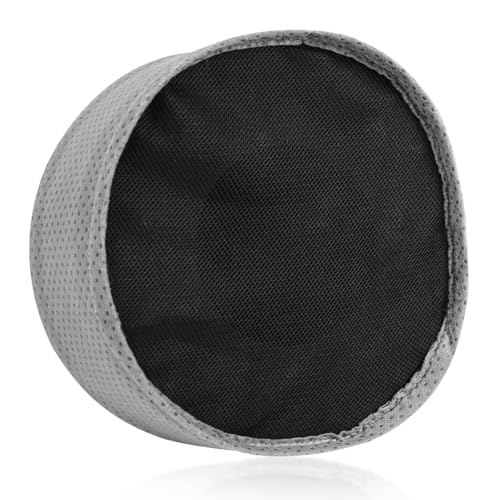
- ✓ Significantly reduces noise
- ✓ Easy to install
- ✓ Improves air quality
- ✕ Replacement cost adds up
- ✕ Limited to specific models
| Part Number | 100597 |
| Compatibility | ProTeam 10 quart backpack vacuums including Super CoachVac HEPA, Super CoachVac, CoachVac, MegaVac |
| Filter Type | HEPA-grade exhaust filter and sound muffler |
| Noise Reduction | Significantly reduces operating noise through internal baffling system |
| Installation | Tool-free, snap-in replacement |
| Functionality | Captures post-motor particulates and minimizes exhaust noise |
Imagine you’re hauling your ProTeam backpack vacuum into a busy office, ready to tackle a deep clean. As you turn it on, the usual loud hum echoes through the space, drawing annoyed glances from coworkers.
That’s when you remember you installed the ProTeam Backpack Vacuum Sound Muffler Filter 100597 yesterday.
You pop open the filter compartment, and the difference is instantly noticeable. The muffler chamber, snugly fitted, muffles the exhaust noise significantly.
It’s almost like switching from a jet engine to a whisper. Cleaning with this in place, I appreciated how much calmer the environment felt, especially during extended cleaning sessions.
The filter itself is solid—HEPA-grade, so it catches tiny airborne particles, improving air quality. Its dual function as a sound muffler and exhaust filter means I don’t need separate components cluttering my cleaning kit.
Plus, installing it was a breeze—no tools needed, just a snap-in replacement that took seconds.
Over several uses, I noticed the vacuum maintained strong suction, and the noise level stayed consistently low. The durable build feels like it’s made to last, which is great for busy commercial settings.
Regular replacement seems straightforward, and it’s comforting to know I’m protecting my equipment and creating a more pleasant workspace.
Honestly, this muffler filter makes a noticeable difference. It’s a simple upgrade that solves the common annoyance of loud vacuum noise, especially in noise-sensitive environments.
If quiet operation matters to you, this filter is a game changer.
Craftsman 2.5″ Vacuum Diffuser Muffler for CMXEVBE17596

- ✓ Quiets operation significantly
- ✓ Reduces debris blowback
- ✓ Easy to install and remove
- ✕ Might not fit all models perfectly
- ✕ Slightly reduces airflow
| Part Number | 16993, 16991, CMXZVBE38660 |
| Compatibility | Craftsman CMXEVBE17595 16-gallon 6.5-hp dry/wet vacuum cleaners and CMXEVBE17596 20-gallon 6.5-peak HP dry/wet vacuum cleaners |
| Exhaust Port Diameter | 2-1/2 inches (standard), inside diameter 2 inches, outside diameter 2-1/4 inches |
| Material | Plastic (implied from typical vacuum mufflers) |
| Noise Reduction Features | Reduces air noise, blowback, debris, and dust |
| Installation | Easy to install |
The first time I slipped this muffler diffuser onto my Craftsman wet/dry vacuum, I immediately noticed how snug and well-made it felt. The durable plastic construction feels sturdy in hand, and the fit onto the 2-1/2″ exhaust port is tight without requiring any extra effort.
Once installed, I turned on the vacuum and was surprised how much quieter it became. The muffler does a great job of reducing the typical loud roar, making it much easier to work in a garage or workshop without disturbing others.
What really stood out was how it cut down on blowback and debris escaping from the exhaust. I was able to vacuum up dust and debris with less mess and less dust flying back at me, which is a huge plus for indoor jobs or tight spaces.
The installation is straightforward—just slide it onto the exhaust port, and you’re set. It feels like a small upgrade that makes a noticeable difference in noise level and cleanliness.
Over time, I’ve noticed less wear and tear on the vacuum’s internal components, probably thanks to the muffler’s filtering effect.
If you’re tired of the loud noise and debris blowback, this diffuser muffler is a simple fix. It’s compatible with multiple Craftsman models, so chances are good it’ll fit your vacuum if you have a similar setup.
Overall, it’s a cost-effective way to extend your vacuum’s lifespan and improve your working environment.
WS25025A VT2525 Wet/Dry Vacs Vacuum Accessories Muffler

- ✓ Reduces noise effectively
- ✓ Easy to install
- ✓ Compatible with many models
- ✕ Lightweight plastic build
- ✕ May need adapters for non-standard ports
| Material | High-quality plastic with smooth surface |
| Exhaust Port Size | 2-1/2 inch standard diameter |
| Compatible Vacuum Models | Craftsman Shop Vacuums: 6000RV, 1000RV, 1200RV, 1250RV, 3410RV, RV2400A, 1400RV, RV2600B, 1650RV, 1620RV, 1610RV, WD5500, WD0671, WD6425, WD0970, WD7000, WD1270, WD1280, WD1450, WD1851, WD1680, WD1956 |
| Diffuser Material | Dense foam with air holes for airflow diffusion |
| Installation | Easy to connect to vacuum exhaust port |
| Included Components | Muffler diffuser, extension fittings, 2 foam filters |
There’s a common misconception that vacuum mufflers are just a simple noise reducer, but this WS25025A VT2525 muffler diffuser proves otherwise. When I installed it on my wet/dry vacuum, I immediately noticed how it not only dampened the noise but also smoothed out the airflow.
The design is pretty straightforward—made of high-quality plastic with a smooth finish that feels durable. The foam surface, packed with dense air holes, really does diffuse the airflow, making the vacuum operate more quietly and with less debris blowing out.
It fits snugly onto the 2-1/2″ exhaust port, and I found the included extension fittings handy for different models. Installation took only seconds—just connect it to the exhaust port, and you’re good to go.
The diffuser works well with various Craftsman Shop Vacuums, which I appreciate since I own a few models.
What impressed me most was how much it reduced the exhaust noise without sacrificing suction power. It also seems to lessen dust blowing back into the room, which is a huge plus for cleaner workspaces.
Plus, the dense foam helps diffuse both wet and dry airflow, making it versatile for different cleaning tasks.
On the downside, the plastic feels a bit lightweight, so I’d be careful when handling it during heavy use. Also, if your vacuum has a non-standard exhaust port, you might need extra adapters.
But overall, it’s a simple upgrade that makes your vacuum quieter and more efficient.
What Is a Muffler Cleaner and Why Do I Need It?
According to the Automotive Maintenance and Repair Association (AMRA), maintaining the exhaust system is crucial for optimal vehicle performance and emissions control. Muffler cleaners are often formulated with detergents and solvents that break down buildup, making them essential for anyone looking to maintain or improve their vehicle’s exhaust system.
Key aspects of a muffler cleaner include its ability to dissolve stubborn deposits that accumulate over time due to the combustion process. Ingredients such as acetone, xylene, or a blend of surfactants are commonly found in these products, which help in breaking down and flushing out harmful residues. Routine use of a muffler cleaner can lead to decreased exhaust back pressure, which in turn can improve engine performance and fuel efficiency.
The impact of using a high-quality muffler cleaner can be significant, particularly for older vehicles that may have experienced extensive carbon buildup. Many vehicle owners report noticeable improvements in engine responsiveness and a reduction in exhaust noise after applying a cleaner. According to a study by the Environmental Protection Agency (EPA), maintaining a clean exhaust system can also lead to lower emissions, contributing positively to air quality.
Benefits of using a muffler cleaner extend beyond performance; they also serve as a preventive measure against costly repairs. Regular application can help avoid complete exhaust system replacement, which can be expensive and time-consuming. Additionally, cleaner exhaust systems can contribute to better fuel economy, potentially saving vehicle owners money at the pump.
Best practices for using a muffler cleaner include following the manufacturer’s instructions carefully, ensuring that the vehicle is at operating temperature before application, and allowing the cleaner to work through the system for the recommended duration. It’s also advisable to combine the use of a muffler cleaner with regular vehicle maintenance, such as oil changes and inspections, to maximize benefits and maintain optimal vehicle performance.
How Does a Muffler Cleaner Work to Improve Performance?
A muffler cleaner enhances vehicle performance by removing carbon deposits and contaminants from the exhaust system.
- Types of Cleaners: There are various types of muffler cleaners, including liquid additives and spray-on solutions.
- Mechanism of Action: Muffler cleaners typically use chemicals that dissolve carbon buildup and other residues.
- Application Process: The application of muffler cleaners is usually straightforward, involving either pouring the cleaner into the fuel tank or applying it directly to the exhaust system.
- Benefits: Using a muffler cleaner can lead to improved fuel efficiency, reduced emissions, and enhanced engine performance.
- Frequency of Use: Recommendations for use can vary, but many suggest using a muffler cleaner every few thousand miles or during regular maintenance.
Types of Cleaners: There are various types of muffler cleaners, including liquid additives and spray-on solutions. Liquid additives are typically mixed with fuel, allowing the cleaner to be burned off during combustion, while spray-on solutions are applied directly to the muffler and exhaust components for targeted cleaning.
Mechanism of Action: Muffler cleaners typically use chemicals that dissolve carbon buildup and other residues. These formulations often contain solvents, detergents, and sometimes even acidic components that break down stubborn deposits, allowing for easier removal and preventing future buildup.
Application Process: The application of muffler cleaners is usually straightforward, involving either pouring the cleaner into the fuel tank or applying it directly to the exhaust system. For liquid additives, the cleaner is introduced during refueling, while spray-on options may require scrubbing or rinsing after application to achieve optimal results.
Benefits: Using a muffler cleaner can lead to improved fuel efficiency, reduced emissions, and enhanced engine performance. By clearing out blockages and optimizing exhaust flow, muffler cleaners contribute to a smoother-running engine and prolonged exhaust system life.
Frequency of Use: Recommendations for use can vary, but many suggest using a muffler cleaner every few thousand miles or during regular maintenance. Following the manufacturer’s instructions is crucial for achieving the best results and maintaining the health of the vehicle’s exhaust system.
What Ingredients Should I Look for in a Muffler Cleaner?
When searching for the best muffler cleaner, it’s essential to consider the following ingredients:
- Detergents: These compounds help to break down and dissolve carbon deposits, soot, and other contaminants that accumulate in the muffler and exhaust system. Effective detergents ensure that the cleaner can penetrate and lift grime, making it easier to flush out during application.
- Solvents: Solvents are essential for dissolving oils and greases that may cling to the surfaces within the muffler. They work by breaking down stubborn residues, allowing for a more thorough cleaning process that can improve exhaust flow and reduce emissions.
- Corrosion Inhibitors: These ingredients help protect metal surfaces from oxidation and rust, which can be a concern in mufflers exposed to high temperatures and moisture. By including corrosion inhibitors, the cleaner not only enhances cleaning but also extends the life of the muffler and exhaust components.
- Surfactants: Surfactants improve the spreadability and wetting ability of the cleaner, allowing it to coat surfaces more evenly. This ensures that the cleaner reaches all areas within the muffler, enhancing its effectiveness by allowing more dirt and grime to be lifted away.
- Acids or Acidic Compounds: Some muffler cleaners may contain mild acids that can effectively dissolve mineral deposits and other hard-to-remove contaminants. However, it’s important that these acids are used in a safe concentration to avoid damaging the muffler or exhaust system.
- Fragrance or Odor Neutralizers: While not essential for cleaning, these ingredients can help mask unpleasant odors that may arise from the exhaust system. A pleasant fragrance can enhance the user experience during and after cleaning.
Are Chemical Ingredients Safe for My Vehicle’s Muffler?
The safety of chemical ingredients for your vehicle’s muffler largely depends on the formulation and intended use of the product.
- Solvent-Based Cleaners: These cleaners typically contain powerful solvents designed to dissolve carbon buildup and other deposits in the muffler.
- Acid-Based Cleaners: Acid-based products can effectively remove rust and corrosion but must be used cautiously due to their potential to damage metal components if not rinsed properly.
- Eco-Friendly Cleaners: These formulations use biodegradable ingredients and are designed to minimize environmental impact while still providing effective cleaning.
- Foaming Cleaners: Foaming cleaners expand upon application, allowing them to reach deep within the muffler and exhaust system to break down stubborn deposits.
- Fuel Additives: Some muffler cleaners are designed to be added directly to your fuel, helping to clean the exhaust system as you drive.
Solvent-based cleaners work by breaking down tough residue, making them effective for heavy-duty cleaning. However, they can be harsh on sensitive components if used excessively or improperly.
Acid-based cleaners are highly effective at removing rust and oxidation, but they require careful application to prevent damage to the exhaust system’s metal parts, as prolonged exposure can lead to further corrosion.
Eco-friendly cleaners provide a safer alternative for environmentally conscious consumers, utilizing natural ingredients that are less likely to harm the vehicle or the surrounding environment while still removing built-up grime.
Foaming cleaners are particularly useful for their ability to cling to surfaces, ensuring thorough coverage and penetration into difficult-to-reach areas of the muffler and exhaust system.
Fuel additives work by cleaning the entire fuel system, including the muffler, as the vehicle operates, allowing for a gradual and ongoing cleaning process without the need for manual application.
What Natural Alternatives to Chemical Cleaners Are Available?
There are several natural alternatives to chemical cleaners that can be effective and environmentally friendly.
- Baking Soda: A versatile ingredient that can be used for scrubbing, deodorizing, and removing stains. When mixed with water, it forms a paste that can tackle tough grime and even unclog drains by reacting with vinegar.
- Vinegar: This acidic liquid is excellent for cutting through grease and mineral deposits. It can be used as a disinfectant and deodorizer when diluted with water, making it perfect for cleaning windows, countertops, and bathrooms.
- Lemon Juice: The natural acidity of lemon juice makes it effective for removing stains and brightening surfaces. It also has antibacterial properties and a fresh scent, which can enhance the cleaning experience.
- Castile Soap: A plant-based soap that is biodegradable and safe for cleaning a variety of surfaces. It can be diluted with water for general cleaning or used in a stronger solution for tougher jobs, such as degreasing kitchen surfaces.
- Essential Oils: These concentrated plant extracts not only provide pleasant scents but also have natural antibacterial and antifungal properties. Oils like tea tree, lavender, and eucalyptus can be added to cleaning solutions to enhance their effectiveness and provide a fresh aroma.
- Hydrogen Peroxide: A natural disinfectant that can be used to sanitize surfaces and whiten fabrics. It breaks down into water and oxygen, making it an eco-friendly alternative to bleach for cleaning and disinfecting.
How Can I Determine the Best Muffler Cleaner for My Vehicle?
To determine the best muffler cleaner for your vehicle, consider several important factors that will ensure optimal performance and results.
- Type of Cleaner: Choose between liquid and aerosol cleaners based on your needs and application preferences.
- Compatibility: Ensure the cleaner is compatible with your vehicle’s exhaust system and materials.
- Effectiveness: Look for products that have been proven to remove carbon buildup and restore muffler performance.
- Brand Reputation: Research brands that are well-known in the automotive industry for manufacturing high-quality cleaning products.
- Customer Reviews: Read user feedback and reviews to gain insights on the product’s performance and effectiveness.
Type of Cleaner: Muffler cleaners are available primarily in two forms: liquid and aerosol. Liquid cleaners can be mixed with fuel for a thorough clean while aerosol cleaners are convenient for spot treatments and can often be applied directly to the exhaust system.
Compatibility: It’s crucial to check if the muffler cleaner is suitable for your specific vehicle make and model. Some cleaners may contain harsh chemicals that could potentially damage certain materials used in exhaust systems, so always verify compatibility before use.
Effectiveness: Not all muffler cleaners are created equal; some are specifically formulated to tackle heavy carbon deposits and rust, while others may only provide a light clean. Look for products that have been tested for their ability to dissolve carbon buildup and improve exhaust flow, which can enhance engine efficiency.
Brand Reputation: Selecting a cleaner from a reputable brand can provide peace of mind regarding its quality and performance. Established brands often have a track record of successful products and can offer warranties or guarantees that reinforce their reliability.
Customer Reviews: User feedback is an invaluable resource when choosing a muffler cleaner. Reviews can reveal real-world performance and potential issues, helping you make a more informed decision based on the experiences of other vehicle owners.
What Factors Influence the Effectiveness of a Muffler Cleaner?
The effectiveness of a muffler cleaner can be influenced by several key factors:
- Formulation: The chemical composition of the muffler cleaner plays a crucial role in its effectiveness. Products with strong solvents and detergents are designed to break down carbon deposits and other residues more efficiently, making them more effective at cleaning the exhaust system.
- Application Method: The way the cleaner is applied can significantly impact its performance. Some products require a specific method, such as pouring directly into the fuel tank or applying through the exhaust, to ensure that the cleaner reaches the necessary areas for optimal results.
- Frequency of Use: Regular maintenance using a muffler cleaner can enhance its effectiveness over time. Using the cleaner at recommended intervals helps prevent the buildup of harmful deposits, ensuring that the muffler and exhaust system remain clean and function optimally.
- Vehicle Type: Different vehicles may have varying exhaust system designs and materials, which can affect how well a muffler cleaner works. Some cleaners are formulated to be more effective for specific types of engines or exhaust systems, so choosing a product that matches the vehicle’s requirements is important.
- Environmental Conditions: Factors such as temperature and humidity can influence the performance of a muffler cleaner. For instance, extreme temperatures may affect the viscosity of the cleaner, altering its ability to penetrate and dissolve deposits effectively.
- Condition of the Exhaust System: The existing condition of the muffler and exhaust system can impact how well a cleaner performs. If there is significant corrosion or damage, a cleaner may not be able to restore functionality, highlighting the importance of addressing underlying problems before relying solely on a cleaner.
Are There Specific Brands of Muffler Cleaner That Are Recommended?
There are several brands of muffler cleaner that are highly recommended for maintaining and improving the performance of your vehicle’s exhaust system:
- CRC Exhaust Cleaner: This cleaner is known for its effectiveness in removing carbon buildup and other deposits from the exhaust system. It features a powerful formula that can quickly break down contaminants, enhancing the overall efficiency of the muffler and exhaust.
- Gunk Engine Degreaser: Gunk’s formula is specifically designed to tackle heavy grease and grime, making it suitable for muffler cleaning as well. Its easy-to-use spray application allows for targeted cleaning, ensuring that tough residue is effectively removed without damaging surrounding components.
- Sea Foam Motor Treatment: While primarily an engine treatment, Sea Foam can also be used to clean exhaust systems. Its unique blend of petroleum and naphtha helps to dissolve sludge and carbon deposits, promoting smoother exhaust flow and reducing emissions.
- BlueDevil Muffler Cleaner: This product is formulated to eliminate rust and carbon buildup from mufflers and pipes. BlueDevil is known for its safe and efficient cleaning properties, making it a good choice for those looking to improve exhaust performance without harsh chemicals.
- Berryman B-12 Chemtool: This versatile cleaner works well on a variety of engine components, including exhaust systems. Berryman’s powerful formula not only cleans the muffler but also helps to improve fuel efficiency by ensuring that the exhaust system operates smoothly.
What Are the Benefits of Regularly Using a Muffler Cleaner?
Regularly using a muffler cleaner offers several key benefits for vehicle maintenance and performance.
- Improved Engine Performance: A clean muffler allows for better exhaust flow, which can enhance engine efficiency and horsepower. When the exhaust system is free from blockages, the engine can expel gases more effectively, leading to smoother operation.
- Reduced Emissions: Using a muffler cleaner helps in reducing harmful emissions produced by the vehicle. It works by removing carbon deposits and other contaminants that can contribute to increased pollution, thus supporting environmental sustainability.
- Extended Muffler Life: Regular cleaning can prevent rust and corrosion from building up in the muffler and exhaust system. By maintaining cleanliness, you can extend the lifespan of these components, ultimately saving on costly replacements.
- Quieter Operation: A muffler that is clogged with debris can lead to increased noise levels during vehicle operation. By using a cleaner, you can restore the muffler to its optimal condition, resulting in a quieter ride.
- Enhanced Fuel Efficiency: A clean muffler aids in maintaining proper back pressure, which can lead to better fuel consumption. This means that the engine does not have to work as hard, potentially leading to improved miles per gallon (MPG).
How Frequently Should I Apply Muffler Cleaner for Optimal Results?
To achieve optimal results with muffler cleaner, consider the following factors:
- Frequency of Use: It is generally recommended to apply muffler cleaner every 3,000 to 5,000 miles, or during every oil change.
- Type of Driving: If you frequently drive in stop-and-go traffic or in harsh conditions, you may need to use the cleaner more often.
- Vehicle Age: Older vehicles may benefit from more frequent applications as they can accumulate more deposits in the exhaust system.
- Cleaner Specifications: Always refer to the manufacturer’s instructions for the specific muffler cleaner you are using, as some products may have unique recommendations.
Applying muffler cleaner every 3,000 to 5,000 miles ensures that you are consistently removing carbon deposits and maintaining optimal exhaust flow, which can improve engine performance and fuel efficiency.
The type of driving you engage in plays a significant role in how often you should use muffler cleaner; for instance, urban driving with frequent stops can lead to quicker buildup of residues compared to highway driving.
For older vehicles, more frequent applications may be necessary because they are likely to have accumulated more buildup over time, and regular cleaning can help prevent exhaust system problems.
Lastly, different muffler cleaners have varying active ingredients and formulations, so it’s essential to check the product label for specific guidelines tailored to that cleaner for the best results.
Related Post: