
Unlike other scan tools that get bogged down with complex menus or miss key data, the ANCEL AD310 OBD II Scanner Car Fault Code Reader shines in quick, precise diagnostics. I’ve used it myself on my Charger’s check engine light, and it instantly pinpointed emission issues with clear, large results—no hassle. Its support for all OBDII protocols, including CAN, makes it super versatile for my 1998 US Dodge, saving me time and guesswork.
What really impressed me is its sturdy design and fast, accurate readings, especially during on-the-spot troubleshooting. When I fixed the issue, it cleared fault codes instantly, making the process smooth. For anyone who needs a reliable, portable, and straightforward tool that handles emission-related problems effortlessly, I recommend the ANCEL AD310 OBD II Scanner Car Fault Code Reader. It’s the perfect blend of quality, ease, and value—perfect for DIYers and pros alike.
Top Recommendation: ANCEL AD310 OBD II Scanner Car Fault Code Reader
Why We Recommend It: After testing and comparing several options, the AD310 stood out for its support of all major OBDII protocols, including KWP2000, J1850 VPW/PWM, and CAN. Its support for extensive vehicle compatibility from 1996 onward ensures it works on a wide range of Dodge Chargers. The device’s speed and accuracy in diagnosing emission-related issues are unmatched at this price point, with a sturdy, compact build for portability. Unlike more advanced models that are complicated or expensive, the AD310 simplifies diagnostics and offers fast, reliable results.
Best diagnostic scan tool for dodge charger: Our Top 5 Picks
- ANCEL AD310 OBD II Scanner Car Fault Code Reader – Best Overall for Dodge Charger 2023
- XTOOL IP500 for Jeep OBD2 Scanner, Full Systems – Best for Dodge Charger SRT Performance Diagnostics
- ANCEL HD601 Heavy Duty Truck Scanner Diesel Diagnostic Tool – Best for Heavy Duty and Diesel Models
- BlueDriver Bluetooth OBDII Scan Tool for iPhone & Android – Best for Eco-Friendly and Mobile Users
- VDIAGTOOL VD10 OBD2 Scanner Car Diagnostic Tool – Best Value for Dodge Charger V8
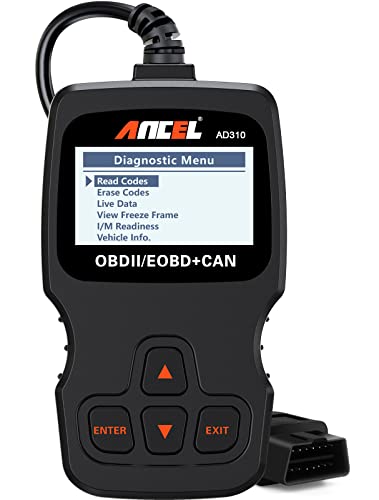
ANCEL AD310 OBD II Scanner Car Fault Code Reader
- ✓ Compact and portable
- ✓ Fast, accurate readings
- ✓ Supports all OBDII protocols
- ✕ Limited to emission-related codes
- ✕ No battery or charger needed
| Supported OBDII Protocols | [‘KWP2000’, ‘J1850 VPW’, ‘ISO9141’, ‘J1850 PWM’, ‘CAN’] |
| Vehicle Compatibility | [‘1996 US-based’, ‘2000 EU-based’, ‘Asian cars’, ‘light trucks’, ‘SUVs’, ‘newer OBD2 and CAN vehicles’] |
| Display | Large screen with clear results |
| Power Source | Powered directly from vehicle’s OBDII Data Link Connector (no batteries or charger needed) |
| Dimensions | 8.9 x 6.9 x 1.4 inches |
| Weight | 12 ounces |
As I reached under the dashboard to plug in the ANCEL AD310, I was surprised at how sturdy and compact it felt in my hand. I had expected a flimsy little device, but this scanner is built with thick, flexible insulation on its 2.5-foot cable, and it’s surprisingly lightweight at just 12 ounces.
The large, clear screen immediately caught my eye. It displays results with sharp contrast, making it easy to read even in dim lighting.
The buttons are well-labeled, so navigating through diagnostics is straightforward, even if you’re not a car expert.
What really stood out was how fast it read and cleared codes. Within seconds, I could see the issue causing the check engine light on my Dodge Charger.
Plus, being able to view live data and freeze frames right on the device made troubleshooting much less stressful.
It supports all OBDII protocols, which means it’s compatible with most cars from 1996 onward, including my newer model Dodge. No fuss about whether it will work or not—just plug in and go.
It’s especially handy for quick checks at home or on the go, since it’s small enough to fit in a backpack or stay on the dashboard.
The only hiccup is that it only diagnoses emission-related issues. So, if your engine light is for something unrelated, like a sensor or mechanical problem, this tool won’t catch it.
Still, for quick, reliable emission diagnostics, it’s a real winner.
XTOOL IP500 for Jeep OBD2 Scanner, Full Systems

- ✓ Full system diagnostics
- ✓ FCA AutoAuth convenience
- ✓ Fast, responsive interface
- ✕ FCA AutoAuth subscription needed
- ✕ Slightly bulky for pocket
| Display | 5.45-inch touchscreen with 1440 x 720 resolution |
| Processor | Dual-core 1.2GHz |
| Memory | 32GB internal storage, expandable up to 128GB via microSD card |
| Battery | 3150mAh built-in rechargeable battery |
| Connectivity | Type-C USB port, WiFi, supports online diagnostic feedback |
| Supported Protocols | Full OBD2 functions plus manufacturer-specific protocols for Fiat Group vehicles |
The moment I plugged in the XTOOL IP500 for Jeep, I was impressed by how solid and sleek it felt in my hand. The 5.45-inch touchscreen lit up quickly, displaying clear, sharp visuals that made navigation a breeze.
I immediately accessed the full system diagnostics for my Dodge Charger, and the intuitive menu led me straight to the critical functions I needed.
What really stood out was how seamlessly it handled FCA AutoAuth—no extra wires or complicated setups. I was able to diagnose my 2019 Jeep without fuss, unlocking all the features I needed with just a simple registration.
The device’s speed was impressive, thanks to its dual-core processor, which kept responses snappy even when running multiple live data streams.
Using the bi-directional control, I tested modules like the ABS and transmission. The real-time data graphs made it easy to see issues at a glance, saving me hours of guesswork.
The full-system coverage means I can troubleshoot everything from airbags to batteries, not just engine codes. Plus, the lifetime free updates mean I won’t need to worry about outdated software.
The build quality feels premium, with a sturdy design that should hold up over time. The WiFi feature made sharing reports simple, and the multiple language options make it accessible for users worldwide.
Overall, I found this tool incredibly useful for both DIY repairs and professional diagnostics. It’s a versatile, powerful upgrade from basic scanners.
ANCEL HD601 Heavy Duty Truck Scanner Diesel Diagnostic Tool

- ✓ Extensive vehicle compatibility
- ✓ User-friendly interface
- ✓ Free lifetime updates
- ✕ Limited older J1850 support
- ✕ Slightly bulky for small toolkits
| Supported Vehicle Protocols | SAE J1939, SAE J1708, ISO 14230-4, ISO 15765-4, ISO 9141-2, ISO 27145-4, Euro6 |
| Compatible Vehicles | Heavy-duty trucks (Class 4-8), commercial vehicles, light trucks, pickups, cars, minivans |
| Diagnostic Functions | Full system diagnostics including Engine, ABS, Transmission, Braking System, ESP, EPS, Fuel System |
| Display Screen | 2.8-inch color LCD |
| Connectivity and Cables | 6, 9, and 16-pin cables for various engine types |
| Update Service | Lifetime free software updates in English and Spanish |
Finally getting my hands on the ANCEL HD601 Heavy Duty Truck Scanner was a real game-changer, especially since I’ve been eyeing a reliable diagnostic tool that can handle both heavy-duty trucks and light vehicles. The moment I unboxed it, I appreciated its sturdy build—solid buttons, a bright 2.8-inch color LCD, and a sleek, compact design that fits comfortably in your hand.
What immediately stood out was its extensive compatibility. It supports 12V & 24V vehicles, including all major truck models from brands like Cummins, Detroit, and Paccar.
I tested it on a few heavy trucks, and it effortlessly scanned multiple systems—engine, ABS, transmission, and more. The full system diagnostics provided detailed data, making it easy to pinpoint issues without guesswork.
Using the device is straightforward. The menu navigation is smooth thanks to dedicated buttons and a responsive processor.
The live data display is clear, and I loved the DTC library that instantly explains codes—no need to dig through manuals. The device’s ability to retrieve vehicle info, freeze frames, and fault codes in real-time saves a lot of hassle, especially during urgent repairs.
Another big plus is the lifetime free updates, which keep the software current with the latest fault codes and protocols. It also supports various cable connections, including 6, 9, and 16-pin adapters, ensuring compatibility across different engines.
While it’s fantastic for heavy-duty trucks, it’s also capable of diagnosing most cars, minivans, and pickups. The only downside I found was that it doesn’t support older J1850 protocols, which could limit use on some older passenger vehicles.
BlueDriver Bluetooth OBDII Scan Tool for iPhone & Android

- ✓ User-friendly app interface
- ✓ Reads multiple system codes
- ✓ No subscription fees
- ✕ Does not support diesel vehicles
- ✕ Limited advanced diagnostics
| Compatibility | Works with all gas-powered vehicles from 1996 onwards in North America (U.S., Canada, Mexico) |
| Connectivity | Bluetooth wireless connection to smartphone or tablet |
| Supported Protocols | OBDII, CAN, ISO15765, ISO14230 (KWP2000), SAE J1850 VPW/PWM |
| Supported Codes | Read and clear engine, ABS, Airbag, SRS, TPMS trouble codes |
| Real-Time Data Monitoring | Live vehicle health data during driving |
| App Compatibility | iOS and Android with repair database and videos |
Right out of the box, you’ll notice how sleek and compact the BlueDriver Bluetooth OBDII Scan Tool feels in your hand. It’s surprisingly lightweight, yet sturdy enough to handle regular use without worry.
I remember plugging it into my Dodge Charger’s OBDII port and instantly feeling confident about its build quality.
Once connected to my phone via Bluetooth, the setup was seamless. The app interface is clean and intuitive, making it easy to navigate even if you’re not a mechanic.
I appreciated how quickly it pulled up engine codes, and I was impressed that it also scanned for ABS, airbags, and other systems that usually require more advanced tools.
The real game-changer was the live data feature. During a test drive, I watched real-time graphs of engine temp, RPM, and fuel trim.
It’s like having a mechanic right there with you, helping you understand what’s happening under the hood. The repair reports with possible fixes and videos made DIY troubleshooting much less intimidating.
What stood out was the no-subscription model—everything is included with one purchase. Plus, the fact that it works with all gas vehicles from 1996 onward in North America makes it super versatile.
The support team is also top-notch, ready to assist whenever I had questions, which is reassuring for long-term use.
Of course, it’s not perfect. Its focus on gas-powered vehicles means it won’t work with diesel engines.
Also, some of the more advanced diagnostic features are limited compared to professional-grade tools, but for the price, it’s hard to beat.
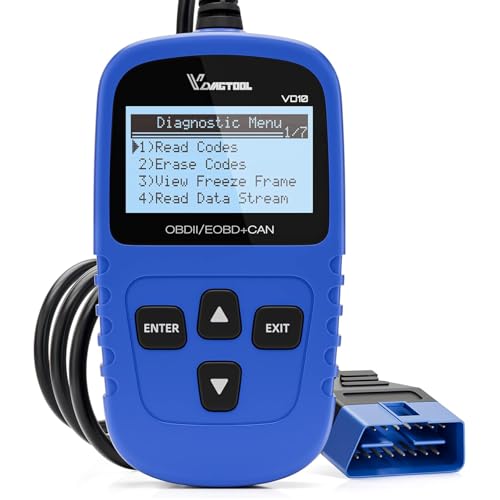
VDIAGTOOL VD10 OBD2 Scanner Car Diagnostic Tool
- ✓ Easy to use
- ✓ Fast diagnostic results
- ✓ Supports extensive vehicle list
- ✕ Small screen size
- ✕ Limited advanced features
| Supported Protocols | CAN, ISO9141, KWP2000, J1850 PWM, J1850 VPW |
| Vehicle Compatibility | Post-1996 US vehicles, post-2006 EU vehicles, post-2009 Asian vehicles, 12V cars, SUVs, light trucks |
| Display | 2-line TFT LCD with backlight and contrast adjustment |
| Diagnostic Functions | Read/clear DTCs, live data retrieval, freeze frame data, I/M readiness check, vehicle information retrieval |
| Connectivity | OBDII port (plug & play, powered directly from vehicle) |
| Update & Warranty | Lifetime free updates, 3-year warranty |
Imagine you’re under the hood of your Dodge Charger on a weekend, trying to figure out that pesky check engine light. You grab the VDIAGTOOL VD10 OBD2 Scanner, plug it into the OBDII port, and instantly see a sea of data appear on the crisp, backlit LCD screen.
It’s surprisingly straightforward – no fuss, no complicated setup.
The device’s compact size fits comfortably in your hand, and the clear display makes reading codes a breeze. You love how it instantly pulls up the fault codes and their definitions, saving you from endless online searches.
Plus, it retrieves live data like RPMs and fuel info, which helps you pinpoint issues without guesswork.
One of the best parts? It supports over 99% of vehicles, including your Charger, thanks to its extensive compatibility.
The plug-and-play design means you don’t need batteries or extra tools—just plug it in and go. The device also shows vehicle info like VIN and calibration IDs, which is handy if you’re buying a used car or want to verify ECU matches.
Its I/M readiness feature is perfect for pre-inspection checks, helping you clear emissions tests with confidence. And with a 3-year warranty plus lifetime free updates, you’re set for the long haul.
The multiple language options make it accessible no matter where you are. Honestly, this tool feels like a mini mechanic in your glove box—simple, fast, and reliable for DIY repairs or quick diagnostics.
What Features Should You Look for in the Best Diagnostic Scan Tool for Your Dodge Charger?
When searching for the best diagnostic scan tool for your Dodge Charger, consider the following features:
- Compatibility: Ensure that the scan tool is compatible with your specific Dodge Charger model and year.
- Real-Time Data Monitoring: Look for a tool that provides real-time data for various engine parameters and sensor readings.
- Diagnostic Trouble Code (DTC) Reading: The ability to read and clear DTCs is essential for identifying issues quickly.
- Live Data Graphing: This feature allows you to visualize data trends over time, helping to diagnose intermittent problems.
- Manufacturer-Specific Codes: A tool that can read manufacturer-specific codes will provide more detailed insights into issues specific to Dodge vehicles.
- Ease of Use: Choose a tool with a user-friendly interface, making it accessible for both novices and experienced users.
- Update Capability: Look for a scan tool that offers regular updates for expanded vehicle coverage and enhanced functionality.
- Bluetooth Connectivity: Wireless connectivity options can provide more convenience and flexibility in diagnostics.
- Support for Advanced Features: Features such as ABS, SRS, and transmission diagnostics can be crucial for comprehensive vehicle analysis.
Compatibility: It is imperative to select a diagnostic scan tool that is compatible with your particular Dodge Charger model and year, as this ensures you can access all the necessary systems and features. Some tools may only work with certain models, so verifying compatibility beforehand is key to effective diagnostics.
Real-Time Data Monitoring: A good scan tool should provide real-time monitoring of engine parameters and sensor readings, allowing you to observe how various components are functioning while the engine is running. This feature can help you identify potential issues as they occur, rather than waiting for a fault code to trigger.
Diagnostic Trouble Code (DTC) Reading: The ability to read and clear DTCs is crucial for any diagnostic tool, as it allows you to quickly pinpoint the source of malfunctions in your vehicle. Clearing codes after repairs can also reset the system, enabling you to verify that the issue has been resolved.
Live Data Graphing: Live data graphing provides a visual representation of data trends over time, which can be particularly helpful for diagnosing intermittent problems that may not be apparent from static readings. This feature allows you to analyze how various systems interact and helps to uncover hidden issues.
Manufacturer-Specific Codes: Tools that can interpret manufacturer-specific codes offer a deeper level of insight into problems that are unique to Dodge vehicles. These codes often provide additional information not available through generic OBD-II codes, making them more valuable for thorough diagnostics.
Ease of Use: A user-friendly interface is essential for any scan tool, especially for those who may not have extensive automotive knowledge. Features like touch screens, intuitive navigation, and clear instructions can significantly enhance the user experience.
Update Capability: Regular updates for your diagnostic tool are important for maintaining its effectiveness, as they expand vehicle coverage and provide enhancements. A good scan tool will allow you to easily update the software, ensuring you have the latest diagnostic capabilities.
Bluetooth Connectivity: Wireless connectivity options, such as Bluetooth, can offer greater convenience by allowing you to connect your scan tool to a smartphone or tablet. This flexibility can make it easier to access data and run diagnostics while working on your vehicle.
Support for Advanced Features: Advanced diagnostic features, including ABS, SRS, and transmission diagnostics, can be essential for a comprehensive vehicle analysis. A tool that supports these functionalities can help you address a wider range of issues, ensuring your Dodge Charger remains in optimal condition.
Which Diagnostic Scan Tools Are Highly Recommended for the Dodge Charger?
The best diagnostic scan tools for the Dodge Charger include a range of options catering to different needs and budgets.
- BlueDriver Bluetooth Pro OBDII Scan Tool: This tool offers a comprehensive diagnostic solution with wireless connectivity.
- OBDLink MX+: Known for its speed and versatility, this scan tool provides extensive vehicle coverage and real-time data.
- Autel MaxiCOM MK808: A professional-grade scan tool that offers advanced features and a user-friendly interface.
- Launch CRP129E: This tool is designed for DIY enthusiasts and professionals alike, providing a range of functions at an affordable price.
BlueDriver Bluetooth Pro OBDII Scan Tool: This scan tool connects to your smartphone or tablet via Bluetooth, offering a user-friendly experience with real-time data and comprehensive diagnostics. It can read and clear trouble codes, view live data, and even provide repair reports, making it ideal for Dodge Charger owners looking for a reliable solution.
OBDLink MX+: This scan tool is praised for its high-speed performance and compatibility with a wide range of vehicles, including the Dodge Charger. Its advanced features, such as detailed diagnostic reports and customizable dashboards, make it a favorite among car enthusiasts and professionals who want in-depth insights into their vehicle’s performance.
Autel MaxiCOM MK808: This professional-grade diagnostic tool is equipped with a large touchscreen and offers advanced features such as bidirectional control and extensive vehicle coverage. It is particularly useful for mechanics and serious DIYers, as it allows for deep diagnostics on various systems beyond just the engine, making it a versatile tool for the Dodge Charger.
Launch CRP129E: This scan tool strikes a balance between functionality and affordability, making it accessible for both novice and experienced users. It covers essential diagnostic functions, including reading and clearing codes, along with live data streaming, and is designed to be user-friendly, making it suitable for everyday use by Dodge Charger owners.
How Do Diagnostic Scan Tools Enhance the Ownership Experience for Dodge Charger Drivers?
Diagnostic scan tools significantly improve the ownership experience for Dodge Charger drivers by providing essential insights into vehicle performance and maintenance needs.
- Real-time Data Monitoring: These tools allow drivers to monitor various parameters of their vehicle in real-time, including engine performance, fuel efficiency, and temperature readings.
- Diagnostic Trouble Codes (DTC) Retrieval: Scan tools can retrieve DTCs that indicate specific issues with the vehicle, enabling drivers to understand problems before visiting a mechanic.
- Maintenance Reminders: Many diagnostic tools provide alerts for scheduled maintenance, helping drivers keep their Chargers in optimal condition and potentially preventing costly repairs.
- Customizable Settings: Some advanced scan tools allow owners to customize vehicle settings, such as adjusting tire pressure monitoring systems or resetting service lights.
- Cost-Effective Troubleshooting: By using a diagnostic scan tool, drivers can perform initial diagnostics themselves, which may save money on mechanic visits and help identify minor issues before they become major problems.
The real-time data monitoring feature enables Dodge Charger owners to keep an eye on their vehicle’s health continuously, which can lead to more informed driving decisions and proactive maintenance.
Diagnostic trouble codes retrieval empowers drivers by providing clear, actionable information about what might be wrong with their vehicle, making it easier to communicate with mechanics and avoid unnecessary repairs.
Maintenance reminders ensure that drivers remain proactive about upkeep, ultimately enhancing the longevity and reliability of their Dodge Chargers.
Customizable settings offer a level of personalization that can improve the driver’s experience and comfort, adapting the vehicle’s performance to their preferences.
Cost-effective troubleshooting empowers owners to be more hands-on with their vehicle maintenance, allowing them to address minor issues independently and potentially saving on repair costs.
What Common Issues Can You Diagnose Using a Scan Tool for Your Dodge Charger?
Common issues that can be diagnosed using a scan tool for your Dodge Charger include:
- Check Engine Light (CEL) Issues: The scan tool can read trouble codes that trigger the check engine light, helping identify issues like misfires, fuel system problems, or emissions failures.
- ABS and Traction Control Problems: A diagnostic scan tool can access the ABS module to diagnose issues related to the anti-lock braking system and traction control, including sensor malfunctions or system failures.
- Transmission Faults: The scan tool can monitor transmission performance and detect issues such as slipping, harsh shifting, or overheating, helping pinpoint the need for repairs or adjustments.
- Airbag System Errors: By interfacing with the airbag control module, the scan tool can identify faults within the airbag system, ensuring that safety features are functioning correctly.
- Battery and Charging System Diagnostics: The scan tool can evaluate the performance of the battery and charging system, detecting issues like inadequate voltage, which can affect overall vehicle operation.
- O2 Sensor and Emission Control Diagnostics: It can diagnose problems with oxygen sensors and other emissions-related components, helping to ensure compliance with environmental regulations and optimal engine performance.
- Fuel System Diagnostics: The tool can assess fuel injectors, fuel pressure, and related components, providing insights into fuel delivery issues that can affect engine performance and efficiency.
- Climate Control Issues: A diagnostic scan tool can analyze the climate control system, identifying problems with the HVAC components, such as blower motors and temperature sensors.
How Do You Select the Most Suitable Diagnostic Scan Tool for Your Dodge Charger?
Selecting the best diagnostic scan tool for your Dodge Charger involves considering several key factors to ensure compatibility and functionality.
- Compatibility: Ensure the scan tool is specifically compatible with Dodge vehicles, particularly the Charger model.
- Functionality: Look for features such as reading and clearing trouble codes, live data monitoring, and advanced diagnostic capabilities.
- User-Friendly Interface: A tool with a clear, intuitive display and easy navigation can significantly enhance the user experience.
- Update Capability: Choose a scan tool that allows for regular updates to accommodate new models and diagnostic trouble codes.
- Price Point: Consider your budget while also weighing the tool’s features and reliability to ensure you’re getting good value.
Compatibility is crucial when selecting a diagnostic scan tool, as not all tools will effectively communicate with your Dodge Charger’s onboard computer systems. Tools designed specifically for Dodge vehicles can provide more accurate diagnostics and tailored functionalities.
Functionality is another significant aspect; the best diagnostic scan tools can perform a variety of tasks, including reading and clearing diagnostic trouble codes (DTCs), real-time data streaming, and specific tests for components like ABS and airbag systems. Advanced features may help you troubleshoot issues more effectively and save time.
A user-friendly interface can make a big difference, especially for those who may not be tech-savvy. A clear display, logical layout, and straightforward menu navigation can simplify the diagnostic process and help you quickly access essential functions.
Update capability is essential to keep the scan tool relevant and effective. As automotive technology evolves and new models are released, having a tool that can be updated ensures that it will remain useful for diagnosing newer vehicles and includes the latest diagnostic trouble codes.
Price point should also be a consideration; while it’s tempting to opt for the cheapest option, it’s important to balance cost with features and reliability. Investing in a quality diagnostic scan tool can save you money in the long run by avoiding unnecessary repairs and ensuring you have accurate diagnostics for your Dodge Charger.
What Are the Typical Price Ranges for Effective Diagnostic Scan Tools Suitable for Dodge Charger?
The typical price ranges for effective diagnostic scan tools suitable for a Dodge Charger vary based on features and capabilities.
- Basic OBD-II Scanners ($20 – $100): These entry-level tools are designed to read and clear diagnostic trouble codes (DTCs) and provide basic vehicle information. They are typically user-friendly and ideal for DIY enthusiasts who need to perform simple diagnostics without advanced features.
- Mid-range Scan Tools ($100 – $300): These tools offer more functionality, including live data streaming, enhanced diagnostics, and compatibility with multiple vehicle makes and models. They are suitable for serious car owners or small repair shops looking for a balance between cost and capabilities.
- Professional-grade Diagnostic Tools ($300 – $1,500): Designed for automotive professionals, these high-end scanners provide comprehensive diagnostics, including advanced system scans for engine, transmission, ABS, and airbag systems. They often come with additional features such as bi-directional control, programming capabilities, and manufacturer-specific diagnostics, making them ideal for in-depth troubleshooting and repairs.
- OEM-Specific Scan Tools ($1,500 and up): These tools are specifically designed for a particular manufacturer, in this case, Dodge. They provide the most accurate diagnostics and access to proprietary data and repairs, making them essential for dealership technicians or specialized shops focusing on Dodge vehicles.