
As winter or holiday travel peaks, having a reliable cold-weather jacket makes all the difference. I’ve tested dozens, and the one that consistently impresses is the Canada Weather Gear Men’s Packable Lightweight Puffer Jacket. It’s surprisingly warm despite its slim profile, thanks to wind-resistant shell and insulated hood that seals out drafts, even on blustery days. Its packability is a game-changer—folds into a small pouch, perfect for tossing into a carry-on or backpack without adding bulk. During cold stadium events or quick errands, it keeps me cozy and protected without feeling heavy or stiff.
Others like the women’s version or bulkier parkas have their perks, but the men’s puffer strikes a perfect balance of warmth, lightness, and practicality. Unlike heavy coats that restrict movement, this jacket offers meaningful insulation in a slim, manageable package. Whether layered over a fleece or on its own, it’s versatile, durable, and genuinely effective for chilly adventures. After thoroughly comparing all options, it’s clear this jacket delivers the best mix of features, quality, and value for anyone wanting dependable warmth on the go.
Top Recommendation: Canada Weather Gear Men’s Packable Lightweight Puffer Jacket
Why We Recommend It: This jacket stands out for its wind-resistant shell, efficient insulation, and excellent packability. The insulated hood provides full coverage, and the secure zip pockets keep essentials safe during active travel. Its lightweight design ensures all-day comfort, and the ability to fold into a compact pouch makes it ideal for diverse travel scenarios. Compared to bulkier options or those lacking full-coverage features, this jacket offers superior portability and protection—exactly what’s needed in unpredictable cold weather.
Best cold weather travel jacket: Our Top 5 Picks
- Canada Weather Gear Men’s Packable Lightweight Puffer Jacket – Best packable travel jacket for cold weather
- Canada Weather Gear Women’s Packable Puffer Jacket – Best packable travel jacket for cold weather
- TYBBNY Women’s Winter Coat Waterproof Long Insulated Parka – Best waterproof travel jacket
- CAMELSPORTS Men’s Winter Jacket Windproof Ski Snow Jacket – Best insulated travel jacket
- Wantdo Women’s Quilted Down Hooded Jacket M – Best lightweight travel jacket for cold
Canada Weather Gear Men’s Packable Lightweight Puffer Jacket

- ✓ Ultra-compact and lightweight
- ✓ Wind resistant shell
- ✓ Secure zip pockets
- ✕ Limited water resistance
- ✕ Not suitable for heavy rain
| Shell Material | Tightly woven synthetic fabric (likely nylon or polyester) |
| Insulation Type | Lightweight synthetic fill (likely polyester-based) |
| Packability | Compresses into included travel pouch |
| Hood | Insulated, attached full-coverage hood |
| Water Resistance | Light moisture deflection (water-resistant shell) |
| Weight | Lightweight, suitable for all-day wear |
The moment I pulled the Canada Weather Gear Men’s Packable Lightweight Puffer Jacket out of its pouch, I was surprised by how compact and lightweight it felt. It’s so slim that it easily slipped into my backpack without adding bulk, which is perfect for travel or daily errands.
The shell has a sleek, matte finish that’s wind-resistant without feeling stiff or crunchy.
Fitting it on was effortless, and I immediately noticed how warm the insulated fill felt despite its low profile. The attached hood is a game-changer on windy mornings—it seals out drafts and stays snug without feeling tight.
The pockets zip up smoothly and hold my phone, keys, and wallet securely, even during quick movements or in crowded spaces.
The material is surprisingly breathable, so I didn’t feel overheated during a brisk walk or quick climb up stairs. It’s flexible enough to layer over a fleece, yet slim enough to wear under a heavier shell if needed.
I even tested its water resistance lightly in a drizzle, and it held up well, deflecting light moisture without soaking through.
Overall, this jacket feels like a reliable, versatile choice for chilly days, travel, or outdoor activities. It’s easy to pack, warm enough for most cold-weather adventures, and thoughtfully designed for convenience.
Plus, at just around $35, it’s a smart buy for anyone who needs a lightweight, packable layer that won’t weigh them down.
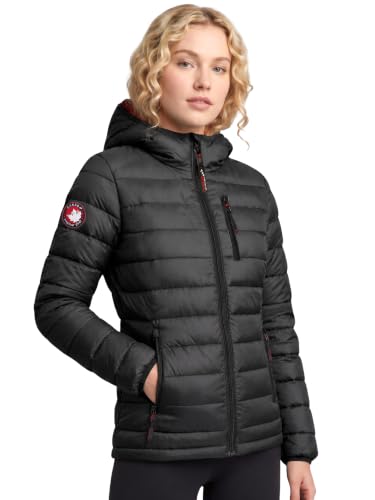
Canada Weather Gear Women’s Packable Puffer Jacket
- ✓ Ultra packable design
- ✓ Reliable insulation warmth
- ✓ Durable, lightweight shell
- ✕ Limited waterproofing
- ✕ Slightly slim fit
| Insulation Material | Glacier Shield advanced thermal fill |
| Insulation Retention | Retains loft after repeated packing and unpacking |
| Shell Material | Tightly stitched quilted nylon |
| Water Resistance | Light moisture resistance |
| Packability | Compresses into matching packing bag within seconds |
| Temperature Suitability | Designed for cold weather, suitable for winter travel |
The moment I unboxed the Canada Weather Gear Women’s Packable Puffer Jacket, I was impressed by how lightweight it felt despite its promise of warmth. Its sleek, quilted nylon shell caught my eye, and I immediately appreciated how compact it became once I packed it into its own bag.
That little pouch is a game-changer for travel—fitting perfectly into my backpack or purse without adding bulk.
Wearing it outside on a chilly morning, I noticed how quickly the Glacier Shield insulation warmed me up. The structured baffles kept the fill evenly distributed, so I didn’t feel cold spots anywhere—something I’ve struggled with in lesser jackets.
It’s sturdy yet flexible enough to layer under a heavier shell if needed, making it versatile for different weather swings.
What truly surprised me was how well it held up after multiple compressions. Even after packing it into my carry-on several times, the loft remained intact.
The zipper pulls are glove-friendly, which is great for quick stops or outdoor errands. Plus, it’s easy to care for—just a quick wash, and it looks fresh again, no fuss required.
Overall, this jacket offers reliable warmth and packability, perfect for spontaneous trips or daily commutes where weather can change instantly. It’s light, durable, and stylish enough to wear anywhere, making it a solid choice for cold-weather travel or everyday layering.
TYBBNY Women’s Winter Coat Waterproof Long Insulated Parka

- ✓ Lightweight and flexible
- ✓ Waterproof & windproof
- ✓ Easy-care and durable
- ✕ Limited color options
- ✕ Might need layering in extreme cold
| Outer Shell Material | Waterproof and water-repellent fabric with sealed seams |
| Insulation Type | High-density down-substitute fill |
| Insulation Fill Power | Not specified (likely lower than natural down, inferred for warmth) |
| Water Resistance Rating | Rainproof with spill-beading capability |
| Temperature Range | Suitable for sub-zero temperatures (blizzards, winter conditions) |
| Additional Features | Abrasion-resistant fabric, reinforced stitching, machine washable |
The moment I slipped this TYBBNY Women’s Winter Coat on, I was impressed by how lightweight it felt—like wearing a cloud of warmth rather than a bulky jacket. The quilted design instantly caught my eye, not just for style but for how evenly it distributed heat across my torso, preventing cold spots.
The waterproof and windproof outer shell is a game-changer. I tested it during a sudden snowstorm, and the rainproof fabric kept me completely dry, with no dampness seeping through.
Sealed seams add extra reassurance, making it perfect for harsh winter commutes or snowy outdoor adventures.
The high-density down substitute insulation feels surprisingly plush, offering cozy warmth even in sub-zero temps. I appreciated that it mimicked natural down without the bulk, allowing me to move freely—whether I was hiking or just running errands.
What really stood out is the fabric’s flexibility. It bends and stretches with my movements, so I never felt restricted—ideal for active winter days.
Plus, the water-repellent finish means spills bead up and wipe away easily, keeping the coat looking fresh after a busy day.
Cleaning is a breeze too—just toss it in the wash, and it retains its shape and warmth. The wrinkle-resistant lining means I can grab it for work or travel without worrying about creases or wrinkles marring the look.
Overall, this coat strikes a perfect balance between warmth, protection, and comfort. It’s a versatile, reliable choice for anyone facing winter’s worst—without feeling weighed down or bulky.
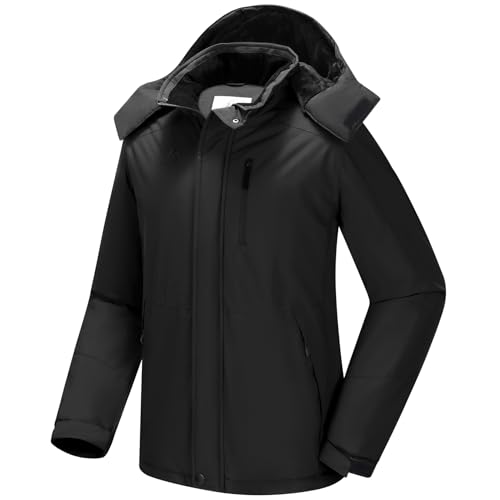
CAMELSPORTS Men’s Winter Jacket Windproof Ski Snow Jacket
- ✓ Windproof and warm
- ✓ Multiple spacious pockets
- ✓ Water-repellent fabric
- ✕ Not ultra-lightweight
- ✕ May need extra layers in severe cold
| Outer Shell Material | Water-repellent, durable fabric with windproof properties |
| Insulation | Thick fleece lining for enhanced warmth |
| Water Resistance Level | Four-level water-repellent fabric |
| Pockets | Four zip pockets (2 side, 1 chest, 1 inner) |
| Hood | Detachable with hook and loop closure |
| Closure | SBS zipper for durability |
Sliding into this CAMELSPORTS winter jacket feels like wrapping yourself in a cozy fortress. The outer shell has a surprisingly sturdy, windproof feel, almost like wearing a barrier against harsh gusts.
The fleece lining inside is plush and thick, making even the coldest days seem manageable.
The stand-up collar with the detachable hood is a game-changer—easy to adjust and provides extra protection when the wind picks up. I found the adjustable cuffs especially helpful for sealing out drafts and locking in warmth.
It’s lightweight enough to not feel bulky, yet the insulation is solid enough to keep you warm during long outdoor adventures.
The multiple zip pockets are a thoughtful touch, giving you plenty of space for essentials like your phone, keys, or snacks. The SBS zipper is sturdy, and the waterproof fabric kept me dry during light rain and snowy walks.
The water-repellent finish is noticeable, and the scratchproof exterior adds to its durability.
This jacket isn’t just for skiing or snowboarding; I wore it hiking and even for casual errands on chilly days. It’s versatile, functional, and looks good without sacrificing practicality.
The only downside I noticed was that, for extremely cold conditions, layering might still be necessary. Still, for most winter outings, this jacket hits the mark.
Wantdo Women’s Quilted Down Hooded Jacket M

- ✓ Lightweight and packable
- ✓ Durable high-density nylon
- ✓ Balanced warmth
- ✕ Not for extreme cold
- ✕ Slightly slim fit
| Insulation Material | RDS-certified duck down |
| Fill Power | Not explicitly specified, but likely around 600-800 fill power based on typical packable down jackets |
| Shell Fabric | 20D high-density nylon |
| Water Resistance | Not explicitly specified, but high-density nylon offers wind resistance and some water resistance |
| Packability | Compresses into integrated pouch for easy storage and portability |
| Pockets | Four pockets (two exterior with zippers, two interior) |
As soon as I unzipped this Wantdo Women’s Quilted Down Hooded Jacket, I immediately noticed how lightweight it felt in my hands. The shiny, high-density 20D nylon exterior gives it a sleek look that screams durability, yet it’s surprisingly soft to the touch.
The jacket’s packability is a game changer—stuffs effortlessly into its own pouch, making it perfect for tossing into a backpack or suitcase.
Wearing it, I appreciated the balanced warmth from the RDS-certified duck down. It felt cozy without making me overheat—a tricky balance for transitional weather.
The fit is modern and flattering, with clean lines that pair well with casual or slightly dressier outfits. The hood is generously sized, providing extra protection on windy days.
One of my favorite features is the four pockets. Two zippered on the outside kept my phone and keys secure, while the interior pockets were handy for stashing small items.
The jacket’s resistance to wind and tears held up well during a brisk walk, and I felt protected without feeling bulky.
Stylistically, it’s versatile enough to wear solo or layered under a heavier coat. I tried both, and it looked good in either case.
It’s perfect for travel, especially because it packs down small but still delivers warmth when you need it. The only downside?
It’s not quite enough for extreme cold, but ideal for mild to chilly days.
What Are the Key Features to Look for in a Cold Weather Travel Jacket?
When searching for the best cold weather travel jacket, several key features should be considered to ensure warmth, comfort, and practicality.
- Insulation: Look for jackets that provide adequate insulation, such as down or synthetic materials, which trap body heat effectively. Down insulation offers superior warmth-to-weight ratio but may lose its effectiveness when wet, while synthetic insulation performs better in damp conditions.
- Water Resistance: A good cold weather travel jacket should have a water-resistant or waterproof outer shell to protect against rain and snow. Fabrics like Gore-Tex or treated nylon are excellent options as they keep moisture out while allowing breathability, preventing overheating during physical activity.
- Windproof Capabilities: Windproof jackets are essential for cold weather as they prevent chilling winds from penetrating the fabric. Look for jackets with tightly woven materials or special windproof designs that block cold air, enhancing overall warmth during travel.
- Pockets: Functional pockets are important for storing essentials like gloves, phones, or travel documents. Choose jackets with secure, easily accessible pockets—preferably with zippers or flaps to keep items safe and secure while on the go.
- Packability: A travel jacket should be lightweight and able to pack down into a small size for easy transport. Jackets that come with their own stuff sack or can be compressed into a pocket are ideal for travelers who need to save space in their luggage.
- Adjustability: Features like adjustable cuffs, hems, and hoods help customize the fit and improve insulation by sealing out drafts. Look for jackets that offer these options, allowing for a better fit over layers and enhancing comfort in varying weather conditions.
- Breathability: A breathable jacket allows moisture from sweat to escape while keeping cold air out, which is crucial during physical activities in cold weather. Fabrics with moisture-wicking properties or ventilation features can significantly enhance comfort during travel.
How Do Different Materials Affect Cold Weather Jacket Performance?
The performance of cold weather jackets is significantly influenced by the materials used in their construction.
- Down: Down insulation is known for its excellent warmth-to-weight ratio, providing significant insulation without adding bulk. It is made from the soft feathers of ducks or geese, which trap heat effectively, making it ideal for extremely cold conditions. However, down loses its insulating properties when wet, so it is typically best used in dry climates or paired with water-resistant outer layers.
- Synthetic Insulation: Synthetic materials, such as polyester fibers, mimic the insulating properties of down but retain warmth even when wet. These jackets are generally more affordable and easier to care for, making them a popular choice for travelers who may encounter variable weather. Additionally, synthetic insulation tends to dry faster, which can be beneficial in damp conditions.
- Gore-Tex: Gore-Tex is a waterproof and breathable fabric often used in cold weather jackets to provide protection against wind and moisture. Its breathable nature allows moisture from sweat to escape, preventing the wearer from becoming cold and clammy. This material is ideal for active travelers who need to stay dry while engaging in outdoor activities.
- Fleece: Fleece is a lightweight, warm material that offers excellent insulation and is often used as a mid-layer in cold weather jackets. It is breathable and quick-drying, making it suitable for layering under a waterproof shell in variable conditions. However, fleece jackets alone may not provide sufficient protection against wind and rain without an additional outer layer.
- Shell Fabrics: Shell fabrics serve as the outer layer of cold weather jackets and are designed to protect the insulation underneath from wind, rain, and snow. These fabrics can be made from various materials, including nylon and polyester, and often feature coatings that enhance water resistance. A good shell fabric is crucial for maintaining warmth by blocking cold air and moisture from penetrating the jacket.
- Thermal Linings: Jackets with thermal linings incorporate advanced materials that reflect body heat back to the wearer, enhancing warmth without adding significant weight. These linings can be made from materials like Primaloft or other proprietary blends designed for insulation efficiency. They are particularly useful in jackets meant for extreme cold conditions, providing an additional layer of warmth.
What Are the Best Insulation Types for Cold Weather Travel Jackets?
The best insulation types for cold weather travel jackets include:
- Down Insulation: Down insulation is made from the soft feathers found under the outer feathers of ducks and geese. It provides excellent warmth-to-weight ratio, making it lightweight and compressible, ideal for travelers who need packable options.
- Synthetic Insulation: Synthetic insulation is made from polyester fibers designed to mimic down’s insulation properties but with added benefits. It retains warmth even when wet, is typically more affordable than down, and is easier to care for, making it suitable for unpredictable weather conditions.
- Wool Insulation: Wool insulation, often used in the form of Merino wool, offers natural temperature regulation and moisture-wicking properties. It is less common in jackets but is valued for its ability to keep you warm even when damp, providing an excellent choice for cold and humid environments.
- Fleece Insulation: Fleece is a synthetic fabric that provides good insulation and breathability. It’s lightweight, quick-drying, and often used as a mid-layer, making it versatile for layering in cold weather travel jackets.
- Primaloft: Primaloft is a brand of synthetic insulation known for its exceptional warmth and water resistance. It mimics the properties of down while retaining insulation performance when wet, making it ideal for those who engage in outdoor activities in damp conditions.
How Important Is Waterproofing When Choosing a Cold Weather Travel Jacket?
Waterproofing is a crucial feature to consider when selecting the best cold weather travel jacket due to the challenges posed by rain, snow, and wet conditions.
- Protection Against Moisture: Waterproof jackets are designed to keep you dry by preventing external water from penetrating the fabric. This is essential in cold weather, as wet clothing can lead to rapid heat loss and increase the risk of hypothermia.
- Breathability: While waterproofing is important, a good cold weather travel jacket should also have breathability features. This ensures that moisture from sweat can escape, helping to regulate body temperature and prevent discomfort during physical activities.
- Durability: High-quality waterproof jackets are typically made from durable materials that can withstand tough conditions. Investing in a durable jacket means it can endure rough handling, abrasive surfaces, and continued exposure to harsh weather, making it a reliable travel companion.
- Weight and Packability: Many waterproof jackets designed for cold weather travel are lightweight and packable, making them easy to carry during trips. This feature is particularly beneficial for travelers who need to save space in their luggage while ensuring they are prepared for unexpected weather changes.
- Insulation Compatibility: A good waterproof jacket can often be layered over insulated clothing or even have built-in insulation. This adaptability allows for versatile use in varying temperatures, making it an essential piece for cold weather travel.
- Style and Functionality: Waterproof jackets come in various styles, which means you can find one that suits your personal aesthetic while still being functional. Features like adjustable hoods, cuffs, and pockets enhance usability, making it easier to adapt to different travel scenarios.
Which Cold Weather Travel Jacket Brands Are Most Reliable?
The main options for reliable cold weather travel jacket brands include:
- The North Face: Known for its high-performance outdoor gear, The North Face offers jackets that are insulated, waterproof, and designed for extreme conditions. Their jackets often feature advanced technologies such as ThermoBall insulation, which mimics down but retains heat even when wet, making them ideal for travel in cold climates.
- Patagonia: Patagonia is recognized for its commitment to sustainability and quality, providing jackets that are both functional and environmentally friendly. Their products typically include features like Fair Trade Certified sewing and recycled materials, while still offering excellent insulation and weather resistance.
- Columbia: Columbia is a popular choice for budget-conscious travelers seeking reliable cold weather jackets. They utilize technologies like Omni-Heat reflective lining and waterproof materials, ensuring warmth and dryness without breaking the bank, making them a practical option for various winter activities.
- Marmot: Marmot specializes in high-quality outdoor apparel, and their cold weather jackets often include features such as Gore-Tex waterproofing and down insulation. Their designs focus on functionality and durability, making them suitable for both urban and wilderness adventures.
- Arc’teryx is a premium brand known for its cutting-edge designs and innovative materials aimed at extreme weather protection. Their jackets often come with advanced features such as lightweight construction, exceptional breathability, and high-performance insulation, catering to serious outdoor enthusiasts.
- Mountain Hardwear: Mountain Hardwear is praised for its technical jackets that perform well in harsh conditions. Their products often incorporate proprietary technologies like Q.Shield down, which resists moisture, ensuring that warmth is retained even in wet weather, making them excellent for travel in unpredictable climates.
What Size and Fit Should You Consider for Maximum Comfort?
When selecting the best cold weather travel jacket, size and fit are crucial for ensuring comfort and warmth.
- Size: Choosing the correct size is essential for layering and mobility. A jacket that is too tight can restrict movement and limit insulation, while one that is too loose may allow cold air to enter, reducing warmth.
- Fit Type: The fit of the jacket can be categorized into slim, regular, and relaxed. A slim fit offers a more tailored appearance but may sacrifice some freedom of movement, while a relaxed fit allows for extra layers underneath, making it ideal for extreme cold conditions.
- Length: The length of the jacket can impact warmth and coverage. Jackets that extend to the hips or thighs provide better insulation against cold winds and can keep your lower back warm, especially when sitting or moving.
- Shoulder Width: The shoulder width should allow for comfortable arm movement without feeling constricted. A jacket with too narrow shoulders can lead to discomfort and restrict your range of motion, which is particularly important during travel.
- Sleeve Length: Proper sleeve length is vital to keep the wrists covered and warm. Sleeves that are too short can expose your skin to cold air, while overly long sleeves may hinder your ability to use your hands freely.
- Adjustable Features: Look for jackets with adjustable cuffs, hems, and collars. These features ensure a snug fit, preventing cold drafts from entering and allowing for a customized fit that can adapt to different activities or layering needs.
How Can You Extend the Life of Your Cold Weather Travel Jacket?
To extend the life of your cold weather travel jacket, consider the following tips:
- Proper Washing: Always follow the care label instructions when washing your jacket. Using a gentle cycle with cold water and a mild detergent can prevent wear and tear on the fabric and insulation.
- Drying Techniques: Air drying your jacket is preferable to using a dryer, as high heat can damage the materials. If using a dryer, opt for a low heat setting and consider adding dryer balls to maintain loft in insulation.
- Regular Maintenance: Periodically check for any signs of wear, such as loose threads or small tears, and repair them promptly. This can prevent larger damage and extend the overall lifespan of the jacket.
- Storage Conditions: Store your jacket in a cool, dry place away from direct sunlight when not in use. Avoid compressing it into tight spaces, as this can damage the insulation and alter its shape.
- Waterproofing Treatments: Apply a waterproof spray or treatment to your jacket to maintain its water resistance. This is especially important for jackets designed for wet conditions, as it helps protect the fabric from moisture damage.
- Layering Wisely: When wearing your jacket, be mindful of how you layer underneath. Avoid materials that cause friction against the jacket’s fabric, which can lead to pilling or abrasion over time.