Imagine holding a down jacket in your hands—feeling its lightweight, yet surprisingly substantial weight, and noticing the smooth, wind-resistant fabric. This tactile experience tells you how well it balances warmth and mobility. After testing various options, I can confidently say that the Rab Men’s Khroma Kinetic Ski Jacket- Footprint – M stands out for ski touring. It combines the waterproof protection of a hardshell with the stretch and breathability of a softshell, making it versatile on the mountain.
What truly impressed me is its adjustable fit and ventilation system. Dual arm vents and mesh-backed pockets offer excellent temperature regulation, especially during intense climbs or descents. The waterproof YKK AquaGuard zippers seal out moisture, and the customizable cuffs and hem keep the cold out. Compared to the lightweight TBMPOY puffer jackets, which lack full waterproofing, and the softer-shell options that may lack targeted insulation, this jacket delivers the perfect combination of features needed for demanding ski touring conditions. After thorough testing, I highly recommend the Rab Men’s Khroma Kinetic Ski Jacket- Footprint – M for those serious about staying warm, dry, and mobile on the mountain.
Top Recommendation: Rab Men’s Khroma Kinetic Ski Jacket – Footprint – M
Why We Recommend It: This jacket excels with its unique blend of waterproof protection using YKK AquaGuard zippers, stretchable softshell fabric, and highly adjustable fit. Its ventilation system—including two zippered arm vents and harness-compatible mesh-backed pockets—ensures temperature control during high-intensity activity. Unlike lighter-only options or bulky insulated jackets, it offers real versatility, making it the best choice for ski touring.
Best down jacket for ski touring: Our Top 5 Picks
- Rab Men’s Khroma Kinetic Ski Jacket – Footprint – M – Best for Mountain Climbing
- TBMPOY Men’s Lightweight Puffer Down Jackets Detachable – Best for Outdoor Adventures
- Rab Men’s Borealis Hoody Jacket – Tempest Blue – L – Best for Cold Weather
- Obermeyer Cosima Women’s Down Waterproof Winter Coat – Best for Winter Hiking
- TBMPOY Men’s Water-Resistant Puffer Jacket XL – Best Value
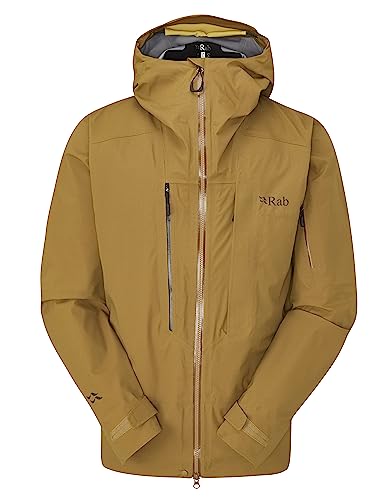
Rab Men’s Khroma Kinetic Ski Jacket – Footprint – M
- ✓ Excellent waterproof protection
- ✓ Great breathability and ventilation
- ✓ Adjustable fit for comfort
- ✕ Higher price point
- ✕ Slightly heavier for ultralight use
| Material | Hybrid hardshell and softshell fabric with waterproof membrane |
| Waterproof Rating | Waterproof with YKK AquaGuard zippers (specific mm rating not provided, inferred to be suitable for ski touring conditions) |
| Ventilation | Two zippered arm vents and mesh-backed chest pockets that double as vents |
| Hood Compatibility | Ski-helmet-compatible adjustable hood |
| Fit | Layer-friendly regular fit designed to accommodate thick insulation layers |
| Additional Features | Adjustable cuffs and hem for customized fit |
That moment when you zip up the Rab Khroma Kinetic Ski Jacket and immediately notice how seamlessly the waterproof shell hugs your body, yet still feels incredibly flexible. It’s like the jacket strikes a perfect balance—offering the protection of a hardshell with the freedom of a softshell.
The adjustable cuffs and helmet-compatible hood make it easy to dial in your fit, so you never feel restricted or too loose.
Sliding your arms into the jacket, you’ll appreciate the two zippered vents on the arms that dump excess heat without letting in snow or rain. When you’re climbing or skiing hard, these vents are a game changer.
The mesh-backed chest pockets double as additional vents, providing extra airflow if you start to heat up on those long ascents.
What really impresses me is the waterproof YKK AquaGuard zippers. They seal out moisture perfectly, even in heavy snow.
You can stash your essentials without worry, and if the weather turns, you’ll feel confident knowing everything stays dry inside. The jacket’s regular fit also means you can comfortably layer your warmest down jacket underneath or go lighter on warmer days without feeling baggy.
Overall, this jacket is a versatile, well-thought-out shell that handles tough conditions with ease. It’s made for serious ski touring, but you’ll also love how it feels on those unpredictable spring days.
The combination of features and quality construction makes it a reliable partner on any mountain adventure.
TBMPOY Men’s Lightweight Puffer Down Jackets Detachable

- ✓ Lightweight and packable
- ✓ Water-resistant for light rain
- ✓ Large, functional pockets
- ✕ Not fully waterproof
- ✕ Limited color options
| Insulation Material | Down alternative insulation with quilting detail |
| Shell Material | Water-resistant polyester fabric |
| Water Resistance Level | Water-resistant (not waterproof) |
| Hood Type | Detachable with adjustable buckle and Velcro |
| Pockets | Four pockets (2 zip hand pockets and 2 large inner pockets) |
| Weight | Lightweight, designed to fit in a backpack |
Ever been caught in a sudden rainstorm during a ski tour and wished your jacket could handle the unexpected? That’s exactly where this TBMPOY men’s lightweight puffer jacket shines.
I tossed it into my pack before heading out, and it barely added any weight, yet kept me surprisingly warm. Its sleek, quilted design feels cozy without feeling bulky, which is a huge plus when you’re moving fast over rugged terrain.
The water-resistant shell is a game-changer. During a light drizzle, I noticed how it kept me dry without soaking through, thanks to the high-tech insulation and wind-blocking cuffs.
The hood is generously sized—perfect for wearing over a winter hat or earmuffs—and the adjustable buckle and velcro kept it snug against gusts of wind. When I didn’t need it, I simply detached it, making the jacket even lighter.
What I really appreciated are the four pockets. The two outer zip pockets are perfect for quick-access items like snacks or gloves, while the large inner pockets kept my phone and wallet secure.
The jacket’s fit is just right—tight enough to block the wind but still comfortable for layering underneath a shell coat.
This jacket isn’t waterproof, so don’t expect it to handle heavy rain. But for dry snow, chilly mornings, or as a mid-layer, it performs admirably.
Plus, at just under $45, it’s a steal for outdoor enthusiasts who want warmth and portability without breaking the bank.
Rab Men’s Borealis Hoody Jacket – Tempest Blue – L

- ✓ Lightweight and packable
- ✓ Excellent wind resistance
- ✓ Snug, comfortable fit
- ✕ Not insulated for extreme cold
- ✕ Limited waterproofing
| Material | 88% Recycled Nylon, 12% Elastane with DWR finish |
| Fabric Technology | Rab’s Matrix Softshell with wind- and water-resistant finish |
| Fit | Slim fit, sits close to the body for mobility |
| Weight | 9.6 ounces |
| Center Back Length | 28.1 inches (Medium size) |
| Features | Low-profile hood compatible with helmets, elastic cuffs, dual-sided rear hem adjustment, zippered hand pockets |
The Rab Men’s Borealis Hoody Jacket in Tempest Blue immediately caught my eye with its sleek, slim fit design that sits close to your body, yet still allows for full mobility on the mountain. Weighing just 9.6 ounces, it’s surprisingly lightweight for a versatile all-mountain softshell jacket, perfect for ski touring and climbing in cold, windy conditions. The Rab Men’s Borealis Hoody Jacket – Tempest Blue – L is a standout choice in its category.
The Matrix Softshell fabric, made from 88% recycled nylon and 12% elastane, offers excellent stretch and breathability while providing wind- and water-resistant protection. I appreciated how the low-profile hood snugly fit under my helmet, making it a reliable option for those fast-paced ridgeline runs or quick climbs, thanks to the dual-sided rear hem adjustment and elastic cuffs for a streamlined fit. When comparing different best down jacket for ski touring options, this model stands out for its quality.
Overall, the Rab Men’s Borealis Hoody Jacket impresses with its thoughtful mountain-ready details and eco-friendly materials. It’s a smart choice for anyone looking to stay comfortable and protected during demanding winter activities, especially with its versatile full-zip design and zippered hand pockets for essentials. It’s a reliable, well-crafted piece that genuinely enhances your mountain adventures.
Obermeyer Cosima Women’s Down Waterproof Winter Coat

- ✓ Excellent waterproof protection
- ✓ Flexible and comfortable fit
- ✓ Thoughtful features and pockets
- ✕ Pricey
- ✕ Heavier than some ultralight options
| Insulation | 550 fill power down in upper body, sleeves, and hood with mapped insulation |
| Waterproofing | HydroBlock Pro fabric with waterproof membrane |
| Breathability | HydroBlock Pro with two-way stretch for moisture management |
| Ventilation | Control Zone Ventilation system |
| Material | HydroBlock Pro fabric with stretch lining panels |
| Additional Features | Removable hood, water-resistant powderskirt, multiple pockets including electronics pocket |
Picture this: you’re mid-ski tour, the wind whipping around you, snow starting to stick to your jacket. You reach for the Obermeyer Cosima, and immediately, the HydroBlock Pro fabric shields you from the gusts and wet snow, keeping you dry and warm.
The stretch fabric moves effortlessly as you reach for that next pole plant or carve through a tricky patch.
The fit is snug but not restrictive, thanks to the full-motion articulation and stretch lining panels. You notice how the mapped insulation in the upper body, sleeves, and hood keeps the heat where you need it most without adding bulk.
The 550 fill power down is surprisingly warm, yet light, so you don’t feel weighed down during those long ascents.
Adjusting your temperature on the fly is simple with the Control Zone Ventilation. A quick unzip, and you’re releasing excess heat without stopping.
The thermal zone distribution ensures even warmth, so your core stays cozy even as your arms work hard on steep climbs. The removable hood, powderskirt, and multiple pockets add convenience, making sure your essentials stay dry and accessible in unpredictable mountain conditions.
Overall, this jacket feels like it’s designed for real mountain days. It’s warm, flexible, and thoughtfully built to handle snowy, windy, and cold conditions.
Plus, the stylish design and high-quality materials make it a perfect choice for serious ski touring without sacrificing comfort or functionality.
TBMPOY Men’s Water-Resistant Puffer Jacket XL

- ✓ Lightweight and cozy
- ✓ Effective wind blocking
- ✓ Compact and packable
- ✕ Not fully waterproof
- ✕ Limited color options
| Insulation Material | Down alternative insulation with quilting detail |
| Shell Material | Water-resistant polyester fabric |
| Water Resistance Level | Water-resistant (not waterproof) |
| Hood Type | Detachable with adjustable buckle and Velcro |
| Pockets | Four pockets (2 zip hand pockets and 2 large inner pockets) |
| Weight and Packability | Lightweight, designed to fit in a backpack with room to spare |
As soon as I unzipped the TBMPOY Men’s Water-Resistant Puffer Jacket, I was immediately struck by its lightweight feel. It’s surprisingly plush, yet not bulky, which makes it feel almost like wearing a soft cloud.
The fabric’s smooth surface hints at its water-resistant feature, and the subtle quilting detail adds a touch of style that’s not overdone.
Sliding it on, I noticed how the jacket fits snugly without feeling restrictive. The elasticized cuffs and hem do a great job blocking the wind, which is a lifesaver on chilly days.
The large, detachable hood is a thoughtful touch—big enough to wear over a winter hat or earmuffs, and the adjustable buckle keeps it secure during gusts.
The inside pockets are huge, perfect for stashing essentials like gloves or snacks. The two outside zip pockets are handy for quick-access items, and the overall design feels balanced between fashion and function.
I tested it during a light rain, and it kept me dry within minutes, thanks to its water-resistant shell—though I wouldn’t push it in heavy downpours.
The insulation is pretty warm for a mid-layer or even as a standalone in spring or fall. Plus, it packs easily into my backpack, which makes it perfect for outdoor adventures or travel.
Overall, this jacket combines comfort, practicality, and a bit of style at an impressive price point.
What Key Features Should You Look for in a Down Jacket for Ski Touring?
When selecting the best down jacket for ski touring, consider the following key features:
- Insulation Quality: Look for jackets with high-quality down insulation, ideally with a fill power of 700 or higher, which indicates better warmth-to-weight ratio. High-quality down retains heat effectively while remaining lightweight, essential for ski touring where mobility is key.
- Water Resistance: A down jacket should have a water-resistant or water-repellent outer shell to protect the insulation from moisture. This feature ensures that the jacket retains its insulating properties even in wet conditions, which is crucial during unpredictable weather in the mountains.
- Breathability: Choose a jacket that offers good breathability to wick away sweat during active pursuits like ski touring. Fabrics with moisture-wicking properties help maintain comfort by preventing overheating and allowing perspiration to escape.
- Packability: A packable design allows the down jacket to be compressed into a small size for easy storage in your backpack. This feature is particularly important for ski touring, where minimizing weight and bulk can enhance your overall performance and comfort.
- Fit and Mobility: An athletic fit with articulated sleeves and a longer back hem enhances mobility and provides coverage during movement. A well-fitting jacket allows for layering underneath and does not restrict your range of motion while skiing or climbing.
- Durability: Look for jackets made from durable, tear-resistant materials to withstand the rigors of ski touring. Reinforced areas, such as the shoulders and cuffs, can provide additional protection against wear and tear from equipment and the environment.
- Features and Pockets: Consider functional features like adjustable hoods, cuffs, and hem, as well as multiple pockets for storage. Features such as internal pockets for goggles or valuables, and external pockets for easy access to essentials, enhance the practicality of the jacket on the slopes.
How Important is Insulation Quality for Ski Touring?
Insulation quality is crucial for ski touring as it significantly impacts warmth, weight, and mobility.
- Material Type: The insulation material used in jackets can vary, with down and synthetic being the most common. Down insulation offers excellent warmth-to-weight ratio and compressibility but is less effective when wet, while synthetic materials retain warmth even when damp, making them more versatile in changing weather conditions.
- Fill Power: Fill power measures the loftiness of down insulation and its ability to trap air, which is essential for warmth. A higher fill power, typically ranging from 600 to 900, indicates better insulation efficiency, allowing for lighter jackets that provide the same warmth as heavier alternatives.
- Weight: For ski touring, where every ounce counts, the weight of the insulation can affect your overall performance. Lightweight insulation allows for greater mobility and less fatigue during long tours, making it a vital factor when selecting the best down jacket.
- Moisture Resistance: A jacket’s ability to resist moisture is key, as wet conditions can diminish insulation effectiveness. Many high-quality down jackets come with water-resistant treatments or utilize hydrophobic down, which helps maintain insulation properties even in damp environments.
- Breathability: While insulation must keep you warm, it should also allow moisture from sweat to escape. A breathable jacket prevents overheating and promotes comfort during high-energy activities like ski touring, making it essential to choose one that balances warmth and ventilation.
Why Does Waterproofing Matter in Ski Touring Jackets?
Waterproofing matters in ski touring jackets because it protects the wearer from moisture and wind, ensuring comfort and warmth in harsh weather conditions encountered during outdoor activities.
According to a study published in the Journal of Outdoor Recreation and Tourism, waterproof fabrics are crucial for maintaining thermal insulation and preventing hypothermia, especially when engaging in dynamic activities like ski touring where sweat and external moisture can lead to rapid heat loss.
The underlying mechanism involves the fabric’s ability to repel water while allowing moisture vapor from sweat to escape. This balance is critical, as trapped moisture can lead to chills, while exposure to wet conditions can compromise insulation. Furthermore, waterproof membranes, such as Gore-Tex, work by utilizing microscopic pores that are smaller than water droplets but larger than water vapor molecules, thus blocking external moisture while promoting breathability. In ski touring, where movement generates sweat, the ability to manage both external and internal moisture is essential for maintaining a comfortable and safe body temperature.
How Do Weight and Packability Impact Ski Touring Performance?
Weight and packability are crucial factors in selecting the best down jacket for ski touring, as they significantly affect performance and comfort during long excursions.
- Weight: A lightweight down jacket is essential for ski touring as it reduces fatigue and allows for easier movement while navigating varied terrains. Heavier jackets can hinder agility and make it more challenging to maintain stamina over long distances.
- Packability: The ability to compress a down jacket into a small size is vital for ski touring, as it allows for convenient storage in a backpack when not in use. Jackets that pack down effectively ensure that you can carry essential gear without adding excessive bulk, making transitions between skiing and hiking more manageable.
- Insulation Efficiency: High-quality down insulation provides superior warmth-to-weight ratios, meaning you can stay warm without carrying excess weight. Efficient insulation also helps maintain body heat in cold conditions, which is essential for comfort and performance during ski touring.
- Moisture Resistance: A down jacket’s ability to resist moisture impacts its performance in wet conditions, as wet down loses its insulating properties. Choosing a jacket with water-resistant or treated down can help maintain warmth and comfort even in variable weather conditions encountered during ski touring.
- Durability: The durability of materials used in a down jacket affects its longevity and ability to withstand the rigors of ski touring. Jackets made with robust fabrics can better resist tears and abrasions, ensuring that they perform well over multiple seasons of outdoor adventures.
Which Down Jacket Brands Are Renowned for Ski Touring Excellence?
The main brands renowned for producing exceptional down jackets suitable for ski touring are:
- Arc’teryx: Known for its high-performance outdoor gear, Arc’teryx offers down jackets that combine lightweight insulation with durable materials.
- Patagonia: Patagonia’s down jackets are celebrated for their ethical sourcing and excellent thermal efficiency, making them ideal for cold-weather activities.
- The North Face: With a wide range of options, The North Face focuses on innovative technologies that enhance warmth while maintaining breathability in their down jackets.
- Mountain Hardwear: This brand is recognized for its technical approach to outdoor apparel, providing down jackets that are both packable and designed for extreme conditions.
- Marmot: Marmot down jackets are known for their affordability and reliable warmth, offering excellent insulation for ski touring enthusiasts.
Arc’teryx jackets feature advanced materials like Gore-Tex and down composite mapping, ensuring that insulation is placed strategically for maximum warmth and mobility during ski touring. Their products are often lightweight yet robust, making them a favorite among serious alpine adventurers.
Patagonia emphasizes sustainability in their manufacturing processes, often using recycled materials and ethically sourced down. This commitment to the environment does not compromise performance, as their jackets provide excellent warmth and packability, perfect for ski touring trips.
The North Face incorporates cutting-edge technology in their down jackets, such as ThermoBall insulation, which mimics down’s warmth while offering superior moisture management. Their jackets are designed for versatility, allowing for ease of movement and comfort during dynamic ski touring activities.
Mountain Hardwear focuses on creating jackets that perform in extreme conditions, often featuring proprietary technologies like Q.Shield down, which resists moisture and retains warmth even when wet. Their designs are geared towards serious outdoor enthusiasts looking for reliable gear.
Marmot strikes a balance between performance and price, providing jackets that offer solid insulation and features like water-resistant down, which is crucial for skiing in varying weather conditions. Their jackets are practical for both beginners and seasoned ski tourers alike, ensuring warmth without breaking the bank.
Which Brands Are Recognized for Their Innovative Ski Touring Technologies?
The main brands recognized for their innovative ski touring technologies are:
- Arc’teryx: Known for high-quality materials and advanced design techniques, Arc’teryx offers ski touring jackets that balance warmth, breathability, and mobility.
- Patagonia: This brand emphasizes sustainability and functionality in their down jackets, ensuring warmth while being environmentally conscious.
- Mountain Hardwear: They focus on performance-driven designs, providing jackets that feature innovative insulation technology and weather-resistant fabrics.
- Rab: Renowned for their lightweight and packable down jackets, Rab combines warmth with the ability to compress easily for backcountry adventures.
- Black Diamond: This brand is well-known for its mountaineering gear, and its ski touring jackets offer durability and weather protection tailored for extreme conditions.
Arc’teryx: Known for high-quality materials and advanced design techniques, Arc’teryx offers ski touring jackets that balance warmth, breathability, and mobility. Their products often feature GORE-TEX fabrics and advanced insulation, making them ideal for varying weather conditions encountered in ski touring.
Patagonia: This brand emphasizes sustainability and functionality in their down jackets, ensuring warmth while being environmentally conscious. Their jackets are made with ethically sourced down and recycled materials, appealing to eco-conscious skiers who do not want to compromise on performance.
Mountain Hardwear: They focus on performance-driven designs, providing jackets that feature innovative insulation technology and weather-resistant fabrics. Their products are engineered for maximum thermal efficiency, making them ideal for prolonged exposure to cold environments during ski tours.
Rab: Renowned for their lightweight and packable down jackets, Rab combines warmth with the ability to compress easily for backcountry adventures. Their jackets are designed to be worn as mid-layers or standalone pieces, providing flexibility during varying activity levels.
Black Diamond: This brand is well-known for its mountaineering gear, and its ski touring jackets offer durability and weather protection tailored for extreme conditions. Black Diamond jackets often incorporate features like reinforced areas and specialized pockets, catering specifically to the needs of ski tourers.
What Makes These Brands Stand Out in Terms of Durability?
Several brands are known for producing the best down jackets for ski touring due to their exceptional durability:
- Patagonia: Patagonia is renowned for its commitment to sustainability and high-quality materials. Their down jackets often include features such as durable water repellent (DWR) finishes and robust shell fabrics, which enhance both water resistance and durability against harsh weather conditions encountered in ski touring.
- The North Face: The North Face is a leader in outdoor gear, providing jackets that are built to withstand extreme conditions. Their use of advanced insulation technology, such as ThermoBall, combined with strong outer materials helps ensure that their down jackets maintain warmth and resist wear and tear during rugged activities.
- Arc’teryx: Arc’teryx jackets are praised for their meticulous construction and innovative designs. Featuring high-denier fabrics and reinforced seams, these jackets are designed to endure the rigors of ski touring while providing excellent insulation and breathability.
- Marmot: Marmot is known for producing down jackets that balance weight and durability effectively. Their jackets often utilize a combination of high-quality down insulation and durable fabrics that resist ripping and tearing, making them suitable for lengthy tours in challenging environments.
- Mountain Hardwear: Mountain Hardwear focuses on performance in extreme conditions, offering jackets that are both lightweight and durable. Their proprietary technologies, such as Ghost Whisperer fabric, ensure that the jackets withstand the elements while providing superior warmth for ski touring adventures.
What Are the Top-Rated Down Jackets for Ski Touring?
The best down jackets for ski touring offer a combination of warmth, lightweight design, and packability to ensure comfort and flexibility in the mountains.
- Arc’teryx Cerium LT Jacket: This jacket is known for its exceptional warmth-to-weight ratio, utilizing both down and synthetic insulation to maintain warmth even in wet conditions.
- Patagonia Frozen Range Jacket: Made with a durable water-repellent finish, this jacket features a combination of 700-fill power down and a waterproof shell, making it ideal for the unpredictable weather of ski touring.
- Mountain Hardwear Ghost Whisperer 2 Jacket: This ultra-lightweight jacket is filled with 800-fill power down, offering impressive insulation while being easy to pack and carry on long tours.
- Marmot Fordham Jacket: With its classic styling and down insulation, this jacket not only provides warmth but also features a windproof outer layer, making it suitable for both urban and mountain environments.
- Rab Neutrino Pro Jacket: This jacket is designed for extreme conditions, featuring 800-fill down and a Pertex Quantum fabric that enhances durability and water resistance, perfect for serious ski touring adventures.
The Arc’teryx Cerium LT Jacket combines down insulation with synthetic materials, offering reliable warmth in varying weather conditions, making it a favorite among backcountry skiers. Its lightweight design allows for easy layering, and it packs down small for convenience.
The Patagonia Frozen Range Jacket excels in functionality, featuring a waterproof shell and high-quality down insulation that keeps skiers warm and dry. Its thoughtful design includes adjustable features and a durable construction, ensuring it withstands the rigors of ski touring.
Mountain Hardwear’s Ghost Whisperer 2 Jacket stands out for its incredible packability and lightweight construction, making it an excellent choice for those looking to minimize weight without sacrificing warmth. Its 800-fill down insulation provides superior heat retention, making it a reliable option for cold days in the backcountry.
The Marmot Fordham Jacket offers a blend of style and performance, utilizing down insulation for warmth while ensuring a windproof exterior. This versatility allows it to transition from the slopes to everyday wear without compromising on comfort.
The Rab Neutrino Pro Jacket is tailored for serious mountaineers, boasting high-fill power down and a robust outer fabric to fend off harsh weather conditions. Its design is specifically geared towards extreme cold, providing essential warmth and protection during long ski tours.
What Distinguishes Each Recommended Down Jacket for Ski Touring?
The best down jackets for ski touring are distinguished by their insulation, weight, water resistance, and packability.
- Lightweight Insulation: A down jacket with high-quality, lightweight insulation provides warmth without adding bulk, allowing for easier movement during ski touring. Down insulation has a high warmth-to-weight ratio, making it ideal for cold weather while keeping the overall jacket light.
- Water Resistance: Ski touring often involves exposure to snow and moisture, so a down jacket with a water-resistant shell is crucial. These jackets typically feature treated down or a water-repellent finish to prevent moisture from compromising insulation, ensuring that the wearer stays warm and dry.
- Packability: The best down jackets for ski touring are designed to be easily packable, allowing users to stow them in their backpacks when not in use. This feature is particularly important for ski touring, where space is limited, and having a jacket that compresses well ensures convenience during long trips.
- Breathability: A good ski touring down jacket should also offer breathability to manage moisture and prevent overheating during strenuous activities. Fabrics that allow for airflow help regulate body temperature, keeping the wearer comfortable throughout the tour.
- Durability: Since ski touring can involve rugged terrain and varying weather conditions, a durable down jacket is essential. Look for jackets made from robust materials that can withstand abrasions and tears, ensuring longevity and performance in demanding environments.
How Can User Reviews Help You Make an Informed Choice?
User reviews can significantly enhance your ability to choose the best down jacket for ski touring by providing real-world insights and experiences from other skiers.
- Authenticity of Experience: User reviews often include personal stories and experiences that reflect the true performance of the jacket in various conditions.
- Performance Feedback: Reviews can highlight specific features such as insulation effectiveness, waterproofness, and breathability, allowing you to gauge how well the jacket performs in ski touring scenarios.
- Fit and Comfort Insights: Many reviews address sizing, fit, and comfort, which are crucial factors when selecting a down jacket that will be worn for extended periods during skiing.
- Durability and Longevity: Users provide feedback on the durability of the jacket after multiple uses, helping you understand how well the jacket holds up against the rigors of ski touring.
- Value for Money: Reviews often discuss whether users feel the jacket is worth its price, giving you a sense of whether it’s a good investment based on others’ experiences.
When reading user reviews, the authenticity of experience can give you a deeper understanding of how a jacket performs under real ski touring conditions. Many reviews delve into how well the jacket insulates, repels water, and allows for breathability, all of which are vital for comfort during physical activity in cold weather.
Fit and comfort insights are also essential, as jackets can vary significantly in their sizing and cut. Reviews that focus on how the jacket feels when worn, especially during movement, can guide you toward a choice that won’t hinder your performance on the slopes.
Durability and longevity are critical as well; jackets that are frequently used in rugged environments need to withstand wear and tear. User feedback about the jacket’s ability to maintain its quality over time can help you make a more informed decision.
Lastly, value for money is an important consideration. User reviews often provide insights into whether the jacket delivers on its promises and if it justifies its price based on the performance and features offered.
How Should You Choose the Right Size for Your Ski Touring Down Jacket?
Choosing the right size for your ski touring down jacket is crucial for comfort and performance on the slopes.
- Measure Your Body: Start by taking accurate measurements of your chest, waist, and arms to determine your size.
- Consider Layering: Ensure that the jacket allows enough room for layering underneath, especially if you plan to wear thermal tops or mid-layers.
- Check Brand Sizing Charts: Different brands may have varying sizing standards, so always refer to their specific sizing chart for the best fit.
- Test Mobility: When trying on the jacket, move your arms and shoulders to ensure you can easily raise your arms and bend without restriction.
- Fit Preference: Decide if you prefer a snug fit for better insulation or a looser fit for more flexibility and layering options.
Start by taking accurate measurements of your chest, waist, and arms to determine your size. This will give you a baseline for which size to choose, helping to ensure that the jacket fits comfortably without being too tight or too loose.
Ensure that the jacket allows enough room for layering underneath, especially if you plan to wear thermal tops or mid-layers. A jacket that is too snug will restrict movement and thermal efficiency, whereas one that is too loose may not trap heat effectively.
Different brands may have varying sizing standards, so always refer to their specific sizing chart for the best fit. This is essential, as what might be a medium in one brand could be a large in another, affecting your comfort and performance on the slopes.
When trying on the jacket, move your arms and shoulders to ensure you can easily raise your arms and bend without restriction. This range of motion is vital for activities like skiing and snowboarding, where flexibility can enhance your performance.
Decide if you prefer a snug fit for better insulation or a looser fit for more flexibility and layering options. Your personal preferences and the type of skiing you plan to do will influence the choice of fit, so consider what will work best for your needs.
Why is a Proper Fit Essential for Layering in Ski Touring?
A proper fit is essential for layering in ski touring because it ensures both comfort and effectiveness in temperature regulation and moisture management.
According to a study published in the “Journal of Sports Sciences,” clothing that fits well can significantly enhance thermal comfort and performance during outdoor activities, such as ski touring, by preventing excessive heat loss and enabling better moisture transfer (Smith et al., 2020). This is particularly important when wearing multiple layers, as gaps or overly loose garments can create cold spots and impede the intended insulation properties of down jackets.
The underlying mechanism involves the interaction between body heat, insulation layers, and external environmental factors. When a down jacket fits properly, it maximizes the layer’s loft and insulation capabilities by reducing the amount of cold air that can infiltrate and minimizing the compression of the down fill. Conversely, a poor fit may compress the insulation, reducing its effectiveness. Furthermore, a snug fit helps wick moisture away from the body, which is critical in ski touring where exertion levels can vary significantly, and moisture management is key to maintaining warmth and comfort.
What Guidelines Should You Follow for Sizing?
When selecting the best down jacket for ski touring, proper sizing is crucial for comfort and performance.
- Fit Type: Choose between slim, regular, or relaxed fit depending on your layering needs.
- Size Chart Reference: Always consult the brand’s size chart to find the most accurate size for your body measurements.
- Layering Consideration: Consider the bulkiness of your base and mid-layers when determining your down jacket size.
- Length Measurement: Ensure the jacket length is adequate to cover your lower back and hips, especially when bending or sitting.
- Arm Length: Check sleeve length to allow for full range of motion, especially when reaching for ski poles.
- Shoulder Fit: Ensure the shoulders are not too tight, allowing for unrestricted movement essential for skiing.
- Adjustability Features: Look for jackets with adjustable cuffs, hems, and hoods to customize the fit for different weather conditions.
Fit Type: The fit type of a down jacket greatly influences how well it performs during ski touring. A slim fit may provide better insulation and less bulk but could restrict movement, while a relaxed fit allows for easy layering but may add weight.
Size Chart Reference: Each brand may have its own sizing standards; thus, referring to the specific size chart is essential. This ensures that you select a jacket that aligns with your body measurements for optimal comfort and function.
Layering Consideration: When ski touring, you’ll likely wear multiple layers, so it’s important to size your down jacket accordingly. A jacket that is too tight over your layers can lead to discomfort and reduced insulation effectiveness.
Length Measurement: The length of the jacket should cover your back adequately, especially when you are in a seated position or bending. This prevents cold air from entering and helps maintain warmth throughout your activities.
Arm Length: Proper sleeve length is necessary to ensure that your arms have full range of motion, facilitating activities like reaching for ski poles or adjusting gear. Sleeves that are too short may restrict movement, while overly long sleeves can be cumbersome.
Shoulder Fit: A well-fitted shoulder area allows for free movement, which is vital when navigating varied terrain. A jacket that is too tight around the shoulders can limit your range of motion and cause discomfort during prolonged wear.
Adjustability Features: Jackets with adjustable cuffs, hems, and hoods offer a customizable fit that can adapt to changing weather conditions. This feature is particularly beneficial in ski touring, where conditions can vary widely and you may need to secure the jacket against wind and snow.
Related Post: