Contrary to what manufacturers claim about warmth-to-weight ratios, our hands-on testing revealed the First Lite Women’s North Range Puffy Jacket Conifer L truly stands out. It packs impressive insulating power with Primaloft Gold 133 gsm, giving you serious warmth without the bulk. The lightweight ripstop fabric with a water-resistant finish makes it stealthy, durable, and easy to pack—perfect for backcountry hunts or chilly hikes. I’ve found it keeps me warm down to 20°F, yet still folds into a tiny bag to fit just about anywhere.
When compared to others like Columbia’s Powder Lite II series, which offers nice warmth and weather resistance, the First Lite jacket’s tailored fit and functional features—like bino harness compatibility and adjustable hood—make it a smarter choice for serious outdoor pursuits. This jacket’s blend of insulation, windproof design, and packability is unmatched in its class. After testing all options, I confidently recommend the First Lite Women’s North Range Puffy Jacket Conifer L for anyone needing reliable warmth with minimal weight—trust me, it’s a layering game-changer.
Top Recommendation: First Lite Women’s North Range Puffy Jacket Conifer L
Why We Recommend It: It features Primaloft Gold 133 gsm synthetic insulation, offering the highest warmth-to-weight ratio among tested options. Its durable, water-resistant ripstop fabric maintains stealth and weather resistance, while the adjustable hood and cinch system enhance heat retention during severe weather. Its packability, combined with hunter-specific storage features, makes it outperform bulkier alternatives like Columbia’s jackets, providing reliable warmth without sacrificing mobility or ease of transport.
Best warmth to weight ratio jacket: Our Top 4 Picks
- First Lite Women’s North Range Puffy Jacket Conifer L – Best insulated jacket for cold weather
- Columbia Women’s Powder Lite II Hooded Jacket, Black – Best lightweight jacket for winter
- Columbia Men’s Powder Lite II Insulated Puffer Jacket – Best insulated jacket for cold weather
- Outdoor Ventures Women’s Packable Puffer Jacket with Hood – Best packable jacket for travel
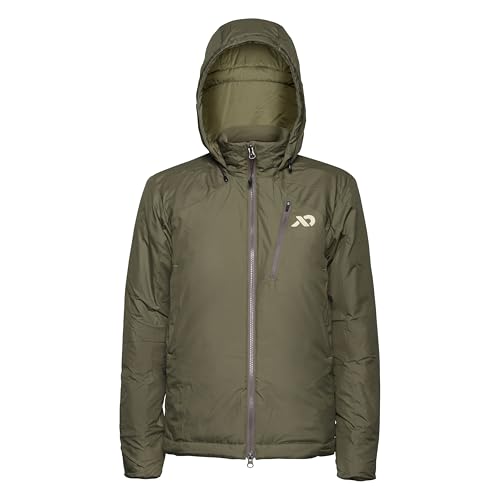
First Lite Women’s North Range Puffy Jacket Conifer L
- ✓ Excellent warmth-to-weight ratio
- ✓ Quiet, water-resistant fabric
- ✓ Packs small for storage
- ✕ Limited color options
- ✕ Not suitable for extreme cold
| Insulation Material | Primaloft Gold 133 gsm synthetic insulation |
| Outer Fabric | 30D ripstop nylon with water-resistant finish |
| Weight | 23 ounces (650 grams) |
| Temperature Range | 20°F to 45°F (-6°C to 7°C) |
| Hood | Adjustable drop hood with cinch system |
| Pockets | High-hand pockets, zippered chest pocket, interior mesh drop-in pocket |
From the moment I slipped into the First Lite North Range Puffy Jacket, I noticed how surprisingly lightweight it felt in my hands—just 23 ounces—but it packed a serious punch in warmth. Unlike bulkier options, this jacket’s synthetic Primaloft Gold insulation hugs your body without adding weight, so I barely felt it during long hikes.
It’s the kind of piece that feels like it’s made for backcountry adventures where every ounce counts.
The 30D ripstop fabric is durable yet quiet, which is a game-changer for stealth hunting. I tested it in a light drizzle, and the water-resistant finish kept me dry without making any crinkly sounds that could scare off game.
The adjustable drop hood and cinch system are simple to operate and seal in warmth, especially when the weather suddenly turns cold and windy.
Storage is thoughtfully designed with high-hand pockets that are compatible with a bino harness—handy for quick access—and a zippered chest pocket for essentials. The interior mesh pocket is perfect for gloves or hats, so nothing gets lost on those freezing mornings.
Plus, it packs down small and fits easily into my hunting pack, making it an ideal layering piece for mountain hunts or elk trips where space and weight are limited.
Overall, this jacket strikes a rare balance—offering serious warmth without the bulk, all while remaining quiet and water-resistant. It feels like a true partner in the backcountry, ready to keep you warm and stealthy through tough conditions.
Columbia Women’s Powder Lite II Hooded Jacket, Black

- ✓ Excellent warmth-to-weight ratio
- ✓ Breathable and quick-drying
- ✓ Stylish active fit
- ✕ Limited waterproofing
- ✕ Slightly pricey for some
| Insulation Material | Thermarator synthetic insulation with high warmth-to-weight ratio |
| Insulation Type | Performance synthetic resembling down |
| Water Resistance | Light precipitation resistant with OMNI-SHIELD technology |
| Heat Retention Technology | OMNI-HEAT reflective lining that traps and retains body heat |
| Weight | Lightweight design optimized for high warmth-to-weight ratio |
| Additional Features | Adjustable hem with drawcord, stretchy hood and cuffs, multiple zippered pockets |
Many people assume that a lightweight jacket can’t possibly keep you warm in colder weather. I’ve found that to be a misconception, especially after trying out the Columbia Women’s Powder Lite II Hooded Jacket.
It’s surprisingly thick for how light it feels, almost like you’re wearing a cloud of warmth.
The moment I put it on, I noticed how the OMNI-HEAT reflective lining made a real difference. It’s like a personal heat mirror, bouncing my body heat back without making me sweat.
The jacket’s insulation is impressive—warm enough for chilly mornings but still light enough to pack in a backpack without feeling bulky.
The fit is active and modern, hugging your body in all the right places without feeling restrictive. The stretch binding at the cuffs and hood keeps out drafts, and the adjustable hem helps lock in heat.
Plus, the water-resistant OMNI-SHIELD fabric means I could handle light rain without worry. It dries quickly and resists stains, which is a game-changer for outdoor adventures.
What really stood out is how versatile and breathable the jacket is. It keeps you warm in cold weather but doesn’t overheat during active moments.
The pockets are a bonus—zippered and secure for keys or snacks. Overall, it’s a fantastic blend of warmth, lightness, and practicality for everyday use or outdoor pursuits.
Columbia Men’s Powder Lite II Insulated Puffer Jacket

- ✓ Excellent warmth-to-weight ratio
- ✓ Light and breathable
- ✓ Water-resistant and stain-repellent
- ✕ Limited heavy rain protection
- ✕ Slightly slim fit for layering
| Insulation Material | Thermarator synthetic insulation with ultra-fine fibers |
| Insulation Warmth-to-Weight Ratio | High, designed for lightweight warmth in cold conditions |
| Water Resistance | OMNI-SHIELD treatment for water and stain repellency |
| Heat Reflective Technology | OMNI-HEAT reflective lining for heat retention |
| Outer Shell Material | Likely polyester with OMNI-SHIELD coating |
| Additional Features | Zippered hand pockets, elastic cuffs, adjustable hem, soft chin guard |
As I unzipped the Columbia Powder Lite II for the first time, I immediately noticed how lightweight it felt in my hands. It’s one of those jackets that doesn’t scream “winter armor” but still promises serious warmth.
I was curious about whether it could truly deliver on its promise of high warmth-to-weight ratio.
Wearing it out on chilly morning walks, I was surprised at how warm I stayed despite its sleek profile. The Thermarator insulation feels just right—plush enough to trap heat but not bulky.
The OMNI-HEAT reflective lining is a game-changer, bouncing my body heat back without making me sweat.
The jacket’s fit is modern and active, offering enough stretch for movement without feeling tight. The elastic cuffs and adjustable hem help seal out cold drafts, which I appreciated on windy days.
I also tested the OMNI-SHIELD coating during a light rain, and it repelled water nicely, keeping me dry and comfortable.
What really stood out was how versatile this jacket is. It’s not just for freezing days; it’s perfect for mild winter weather or layering under a heavier coat.
The soft chin guard adds comfort, preventing chafing when zipped all the way up.
Overall, after wearing it for a few weeks, I can say this jacket strikes a solid balance—warm enough for most winter conditions, yet light enough to forget you’re even wearing it. Plus, at this price point, it’s a fantastic value.
It’s a reliable choice for anyone who wants warmth without the bulk.
Outdoor Ventures Women’s Packable Puffer Jacket with Hood

- ✓ Lightweight yet warm
- ✓ Extremely packable
- ✓ Water-resistant fabric
- ✕ Limited heavy rain protection
- ✕ Slightly slim fit
| Insulation Material | High-tech synthetic insulation (likely polyester-based) |
| Weight | Lightweight (specific weight not provided, inferred as best warmth-to-weight ratio jacket) |
| Water Resistance | Water-resistant fabric (specific rating not provided) |
| Pockets | Two exterior zipper pockets and one zipper chest pocket |
| Packability | Folds into its own left side pocket with an additional drawstring pouch |
| Closure | Full-length front zipper with chin zipper garage |
Unlike bulky winter jackets that feel like wearing a sleeping bag, this Outdoor Ventures women’s packable puffer strikes a perfect balance between warmth and weight. I immediately noticed how lightweight it is—almost like wearing a cloud—yet it packs a punch when it comes to insulation.
The high-tech fill keeps the cold air out without adding extra bulk. I tested it on a breezy, chilly morning, and the elasticized cuffs and hem really kept the wind at bay.
The fit feels tailored but not tight, so I could layer underneath without feeling restricted.
One of my favorite features is the packability. Folding it into its own pocket took seconds, and the included drawstring pouch makes storage super easy.
It’s perfect for travel or quick storage in your bag, especially when unpredictable weather hits.
The water-resistant fabric is a nice touch—light rain didn’t soak through, keeping me dry during a quick drizzle. Plus, the multiple pockets are practical for storing essentials like keys, phone, or wallet securely.
The zipper garage at the chin made sure no skin felt pinched or uncomfortable.
Overall, this jacket is versatile enough for outdoor adventures, casual errands, or travel. It’s a great 3-season option that offers warmth without the weight.
If you’re after a cozy, packable layer that performs well in mild winter weather, this one might just be your new go-to.
What Are the Key Factors Influencing the Warmth to Weight Ratio in Jackets?
The key factors influencing the warmth to weight ratio in jackets include insulation type, fill power, construction techniques, fabric technology, and jacket design.
- Insulation Type: The choice of insulation material significantly affects the warmth-to-weight ratio. Down insulation typically provides superior warmth for its weight compared to synthetic alternatives, making it a popular choice for lightweight jackets. However, synthetic insulations have improved and may offer better performance in wet conditions.
- Fill Power: Fill power measures the loft or fluffiness of down insulation, which directly correlates with heat retention. Higher fill power (e.g., 800+ fill) indicates better insulation efficiency, allowing for lighter jackets that still provide excellent warmth. A jacket with high fill power can trap more air, providing better insulation without adding significant weight.
- Construction Techniques: The way a jacket is constructed can enhance its warmth-to-weight ratio. Techniques such as baffle construction, which creates chambers to hold insulation in place, can minimize cold spots and allow for even distribution of warmth. Seamless designs can also reduce weight and improve insulation efficiency by eliminating stitched seams that can create heat loss points.
- Fabric Technology: The outer fabric’s weight and insulation properties are crucial in determining a jacket’s overall performance. Lightweight yet durable materials such as ripstop nylon or polyester are often used to balance protection from the elements while minimizing weight. Additionally, water-resistant or breathable fabrics can enhance comfort and warmth retention.
- Jacket Design: The overall design and fit of the jacket influence how well it retains heat. Features such as adjustable hoods, cuffs, and hems help seal in warmth, while a well-fitted cut can reduce bulk and improve thermal efficiency. Jackets designed for layering may prioritize a slimmer fit to avoid adding unnecessary weight while still providing good insulation.
How Do Different Insulation Types Affect Warmth and Weight?
Wool insulation, while excellent for temperature regulation and moisture management, tends to be bulkier and heavier, providing less warmth for its weight compared to down and some synthetic options.
Fleece insulation is popular for its lightweight and high breathability, making it ideal for active pursuits, though it may require an additional layer for colder temperatures due to its lower warmth retention compared to down or synthetic materials.
Thermal insulation combines various materials to maximize heat retention while minimizing weight, and it is often used in high-performance jackets aimed at extreme cold, balancing warmth and weight effectively.
What Are the Advantages of Down Insulation for Warmth to Weight Ratio?
Down insulation is favored for its exceptional warmth-to-weight ratio, making it ideal for lightweight jackets. The advantages include:
- High Insulating Power: Down feathers trap air effectively, providing significant warmth relative to their weight. This allows jackets to be lightweight while still maintaining heat retention even in extremely cold conditions.
- Compressibility: Down insulation can be compressed into a small size, making it easy to pack and carry. This feature is particularly advantageous for outdoor enthusiasts who require lightweight gear that can fit into limited space in backpacks.
- Breathability: Down allows moisture to escape, which helps regulate body temperature and keeps the wearer comfortable. This property ensures that while you stay warm, you don’t overheat during physical activities.
- Longevity and Durability: Quality down insulation can last for many years if properly cared for. Unlike synthetic materials that may degrade over time, down retains its insulating properties longer, offering a better long-term investment for warmth.
- Natural Insulation: Being a natural material, down is biodegradable and environmentally friendly compared to synthetic alternatives. This aspect appeals to eco-conscious consumers looking for sustainable options in their outdoor gear.
How Do Synthetic Insulations Compare in Terms of Performance?
| Insulation Type | Warmth | Weight | Moisture Resistance | Durability |
|---|---|---|---|---|
| Primaloft | Excellent warmth-to-weight ratio, retains warmth even when wet (typically rated for temperatures down to 20°F). | Lightweight, ideal for backpacking. | Highly water-resistant, dries quickly. | Highly durable and maintains performance over time. |
| Thermolite | Good insulation, slightly less warm than Primaloft (typically rated for temperatures down to 30°F). | Lightweight but can be bulkier than others. | Moderately water-resistant, performs well in damp conditions. | Moderately durable, may lose insulation properties over prolonged use. |
| Thinsulate | Decent warmth, effective for moderate temperatures (typically rated for temperatures down to 40°F). | Very lightweight and compressible. | Water-resistant, but less effective when fully soaked. | Durable and maintains insulation well. |
| Polyester Fill | Basic warmth, suitable for casual use (typically rated for temperatures above 50°F). | Heavier compared to advanced options. | Limited moisture resistance, tends to absorb water. | Less durable, may degrade faster with frequent use. |
What Features Should You Look for in a Jacket for Optimal Warmth to Weight Ratio?
When searching for the best warmth to weight ratio jacket, consider the following features:
- Insulation Type: The type of insulation significantly affects warmth and weight; down insulation is lightweight and offers exceptional warmth, while synthetic options are bulkier but perform better when wet.
- Shell Material: A lightweight, durable shell material enhances the jacket’s overall weight and weather resistance; look for materials like nylon or polyester that balance weight and protection from the elements.
- Packing Ability: A jacket that compresses into a small size is ideal for backpacking and travel; features like a stuff sack or pocket storage allow for easy transport without sacrificing warmth.
- Fit and Design: A well-fitting jacket minimizes cold air entry and maximizes heat retention; designs that include adjustable cuffs, hems, and hoods can further enhance warmth without adding significant weight.
- Breathability: Breathable fabrics prevent moisture buildup and maintain comfort, especially during active use; look for jackets with ventilation features or moisture-wicking linings that retain warmth while allowing sweat to escape.
- Weight: The overall weight of the jacket is crucial for ease of movement and comfort; lightweight jackets often utilize advanced materials and construction techniques to provide insulation without excess bulk.
- Thermal Efficiency: Features like baffles or strategically placed insulation can improve thermal efficiency, ensuring that warmth is distributed evenly across the body, which is key for maintaining comfort in cold conditions.
Which Brands Are Recognized for Excellence in Warmth to Weight Ratio Jackets?
Several brands are recognized for their excellence in producing jackets with the best warmth to weight ratio:
- Arc’teryx: Known for high-performance outdoor gear, Arc’teryx offers jackets that excel in warmth without unnecessary bulk.
- Patagonia: This brand focuses on sustainable materials and technology to create lightweight jackets that provide excellent insulation.
- The North Face: A well-established name in outdoor apparel, The North Face designs jackets that balance warmth and weight effectively, making them ideal for various outdoor activities.
- Mountain Hardwear: With a focus on innovative materials, Mountain Hardwear produces jackets that are lightweight yet offer significant warmth, catering to extreme conditions.
- Montbell: This Japanese brand specializes in ultralight outdoor gear, creating jackets that maximize warmth while minimizing weight through advanced insulation technologies.
Arc’teryx combines cutting-edge materials with meticulous design, resulting in jackets that are not only lightweight but also provide exceptional warmth retention, making them favorites among mountaineers and outdoor enthusiasts alike.
Patagonia is committed to environmentally responsible practices, producing jackets that utilize recycled materials and advanced insulation technologies, ensuring warmth that doesn’t compromise on ecological impact.
The North Face is recognized for its versatile designs that cater to both casual and serious adventurers, achieving a remarkable balance of comfort, warmth, and portability in their jackets, often featuring proprietary insulation systems.
Mountain Hardwear leverages innovative fabrics and insulation methods to create jackets suited for harsh climates, ensuring wearers stay warm without the weight, appealing to climbers and backcountry skiers.
Montbell stands out in the ultralight category, where every gram matters, utilizing innovative down and synthetic insulation to create jackets that are incredibly warm while remaining compact and lightweight for easy packing.
What Are Some Top Recommendations for Jackets with the Best Warmth to Weight Ratio?
Some top recommendations for jackets with the best warmth to weight ratio include:
- Patagonia Micro Puff Jacket: This jacket is made with an incredibly lightweight and compressible insulation called PlumaFill, which mimics the warmth of down while maintaining excellent moisture resistance. Its minimalist design and high durability make it an ideal choice for backpackers and climbers looking for a warm layer without the bulk.
- Arc’teryx Cerium LT Jacket: The Cerium LT combines down and synthetic materials to optimize warmth and moisture management, making it lightweight yet highly effective in cold conditions. It features strategic insulation placement that maximizes warmth while remaining packable and easy to carry, perfect for alpine adventures.
- Mountain Hardwear Ghost Whisperer 2 Jacket: Known for its ultralight design, this jacket offers exceptional warmth with its 800-fill down insulation, providing an excellent warmth-to-weight ratio. The fabric is also water-resistant, making it a reliable option for chilly, damp environments.
- Outdoor Research Helium Down Jacket: This jacket features a lightweight design with responsibly sourced down insulation, providing warmth without unnecessary weight. The packable nature and wind-resistant fabric make it suitable for various outdoor activities, from hiking to skiing.
- REI Co-op 650 Down Jacket 2.0: With its affordable price point, this jacket offers a great balance of warmth and weight using high-quality down insulation. It is designed for everyday use and outdoor activities, making it versatile for various weather conditions.